Bền vững tre
Trả lời nhanh: hướng dẫn này giải thích về tính bền vững của tre cho người mua vào năm 2026, bao gồm các thông tin chính, sự đánh đổi và mẹo tìm nguồn mà bạn cần trước khi quyết định.
Tre là một nguồn tài nguyên rất bền vững nhờ vào sự phát triển nhanh chóng và tính linh hoạt của nó. Dưới đây là một số điểm thú vị về tính bền vững của tre:
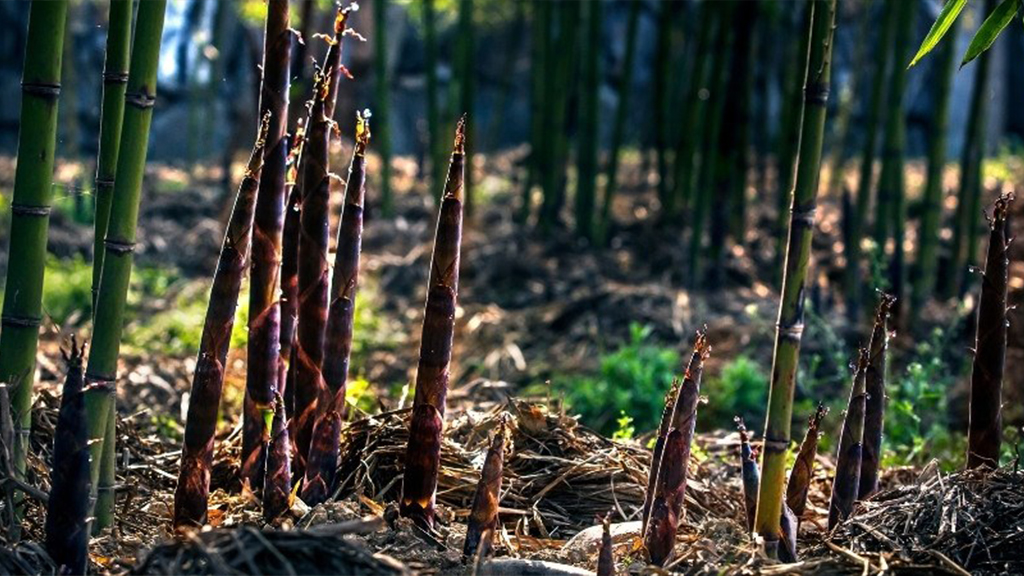
- Tăng trưởng nhanh: Tre là một trong những loại cây phát triển nhanh nhất trên hành tinh. Một số loài có thể phát triển lên đến 91 cm (36 inch) chỉ trong 24 giờ! Tốc độ tăng trưởng nhanh này khiến tre trở thành một nguồn tài nguyên có sẵn và tái tạo.
- Tác động môi trường thấp: Tre yêu cầu rất ít nước, thuốc trừ sâu và phân bón để phát triển, khiến nó trở thành một lựa chọn thân thiện với môi trường hơn so với các loại cây trồng khác. Nó cũng hấp thụ nhiều carbon dioxide hơn và thải ra nhiều oxy hơn vào bầu khí quyển so với cây cối.
- Bảo vệ đất: Tre có hệ thống rễ rộng giúp ngăn chặn xói mòn đất. Rễ của nó giúp giữ nước, cải thiện chất lượng đất và bảo vệ chống lại sạt lở, khiến nó trở thành một giải pháp tự nhiên tuyệt vời để bảo vệ sức khỏe đất.
- Tính linh hoạt: Tre có thể được sử dụng cho nhiều mục đích khác nhau, chẳng hạn như vật liệu xây dựng, đồ nội thất, vải và thậm chí là nguồn năng lượng tái tạo. Tính linh hoạt của nó khiến nó trở thành một nguồn tài nguyên quý giá trong nhiều ngành công nghiệp.
- Sức mạnh và độ bền cao: Mặc dù có vẻ ngoài nhẹ, tre cực kỳ mạnh mẽ và bền bỉ. Nó có sức mạnh kéo lớn hơn thép, khiến nó trở thành lựa chọn tuyệt vời cho xây dựng và sản xuất.
- Hỗ trợ đa dạng sinh học: Rừng tre cung cấp môi trường sống cho nhiều loài khác nhau, bao gồm chim, côn trùng và động vật có vú. Bằng cách thúc đẩy sự phát triển của tre, chúng ta giúp hỗ trợ đa dạng sinh học và bảo vệ hệ sinh thái tự nhiên.
Đây chỉ là một vài lý do tại sao tre được coi là một nguồn tài nguyên bền vững. Tốc độ tăng trưởng, tác động môi trường thấp, tính linh hoạt và tác động tích cực đến đất và đa dạng sinh học khiến nó trở thành lựa chọn thân thiện với môi trường cho nhiều ngành công nghiệp. Có điều gì cụ thể bạn muốn biết về tính bền vững của tre không?
Đọc thêm: sàn tre dệt sợi. Xem thêm HTR Bamboo's gỗ tre ép và Chứng nhận FSC để biết thêm về tính bền vững của tre.
Những điểm chính về tính bền vững của tre
- Tại sao nó quan trọng: Tính bền vững của tre kết hợp sức mạnh, tính bền vững và giá trị, đó là lý do tại sao ngày càng nhiều người mua B2B chỉ định nó vào năm 2026.
- Những gì cần kiểm tra: khi tìm nguồn tính bền vững của tre, xác nhận chứng nhận FSC, keo phát thải thấp (E0/E1) và báo cáo kiểm tra đã được xác minh.
- Cách HTR giúp: HTR Bamboo cung cấp tính bền vững của tre trên toàn cầu với các tùy chọn OEM, chất lượng đồng nhất và thời gian giao hàng đáng tin cậy.
Tính bền vững của tre: những gì người mua B2B nên biết vào năm 2026
Nhu cầu về tính bền vững của tre ngày càng tăng khi các kiến trúc sư, nhà nhập khẩu và thương hiệu tìm kiếm vật liệu cân bằng giữa hiệu suất và tính bền vững. Tre đạt đến độ trưởng thành trong ba đến năm năm, nhanh hơn nhiều so với gỗ cứng, vì vậy tính bền vững của tre cung cấp nguồn cung tái tạo mà không hy sinh sức mạnh. Đối với người mua, các câu hỏi thực tiễn là chất lượng, tuân thủ và tính nhất quán từ đơn hàng này sang đơn hàng khác.
Khi bạn đánh giá tính bền vững của tre, hãy bắt đầu với chứng nhận. Yêu cầu số chứng nhận FSC Chain-of-Custody và xác minh tại info.fsc.org, yêu cầu các báo cáo kiểm tra formaldehyde mới nhất (E0 hoặc E1, cộng với CARB/TSCA Tiêu đề VI nếu có liên quan), và xác nhận hệ thống keo. Các sản phẩm hoàn toàn bằng tre cũng nằm ngoài Quy định về Phá rừng của EU, điều này có thể đơn giản hóa việc thẩm định cho các nhà nhập khẩu châu Âu. Những kiểm tra này bảo vệ bạn khỏi chất lượng biến động và bất ngờ hải quan.
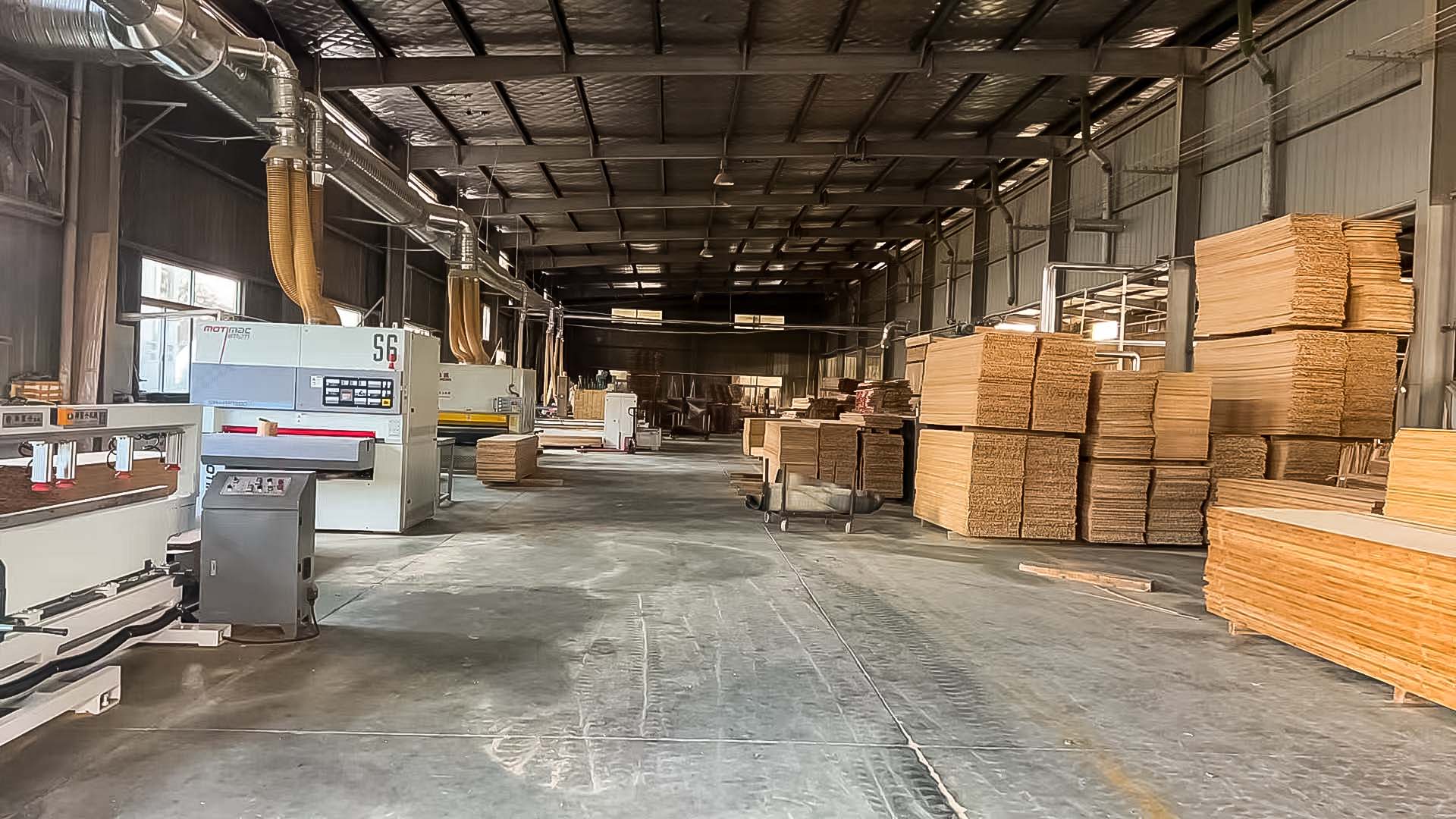
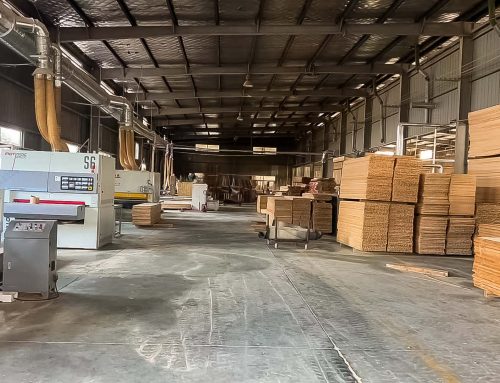
Tiếp theo, hãy xem nhà cung cấp đứng sau tính bền vững của tre. Một nhà sản xuất đáng tin cậy có thể cho thấy ảnh nhà máy, chia sẻ thông số kỹ thuật với độ chính xác cao, hỗ trợ OEM và kích thước tùy chỉnh, và báo giá thời gian giao hàng và số lượng đặt hàng tối thiểu thực tế. Độ ẩm, sự phù hợp màu sắc và bao bì đồng nhất quan trọng không kém gì giá cả, vì việc làm lại và khiếu nại sẽ xóa bỏ bất kỳ khoản tiết kiệm nào.
Tại sao nên tìm nguồn tính bền vững của tre từ HTR Bamboo
HTR Bamboo sản xuất và xuất khẩu tính bền vững của tre trên toàn cầu, được hỗ trợ bởi chứng nhận FSC (FSC-C210923), các tùy chọn phát thải thấp và tính linh hoạt OEM/ODM cho người mua bán buôn B2B. Đội ngũ hỗ trợ người mua ở châu Âu, Úc, châu Mỹ và châu Á với mẫu, tài liệu và giao hàng đáng tin cậy, vì vậy bạn có thể chỉ định tính bền vững của tre với sự tự tin vào năm 2026.
Nguồn từ nhà sản xuất: khám phá danh mục sản phẩm tre cho bán buôn B2B và OEM, hoặc yêu cầu báo giá.
Chia sẻ câu chuyện này, chọn nền tảng của bạn!
About the Author: HTR Bamboo Editorial Team

Related Posts
Trên trang này
Cần thông số tre?
Bài viết Mới nhất
Bản quyền 2020 – 2030 HTR Bamboo
Tất cả các quyền được bảo lưu!

 English
  German
  Spanish
  Vietnamese