Schnelle Antwort: Dieser Leitfaden erläutert Bambus-Sperrholz für Käufer im Jahr 2026 und behandelt die wichtigsten Fakten, Kompromisse und Sourcing-Tipps, die Sie benötigen, bevor Sie sich entscheiden.
Bambus-Sperrholz-Markt: Trends, Innovationen und Wachstumsprognose bis 2035
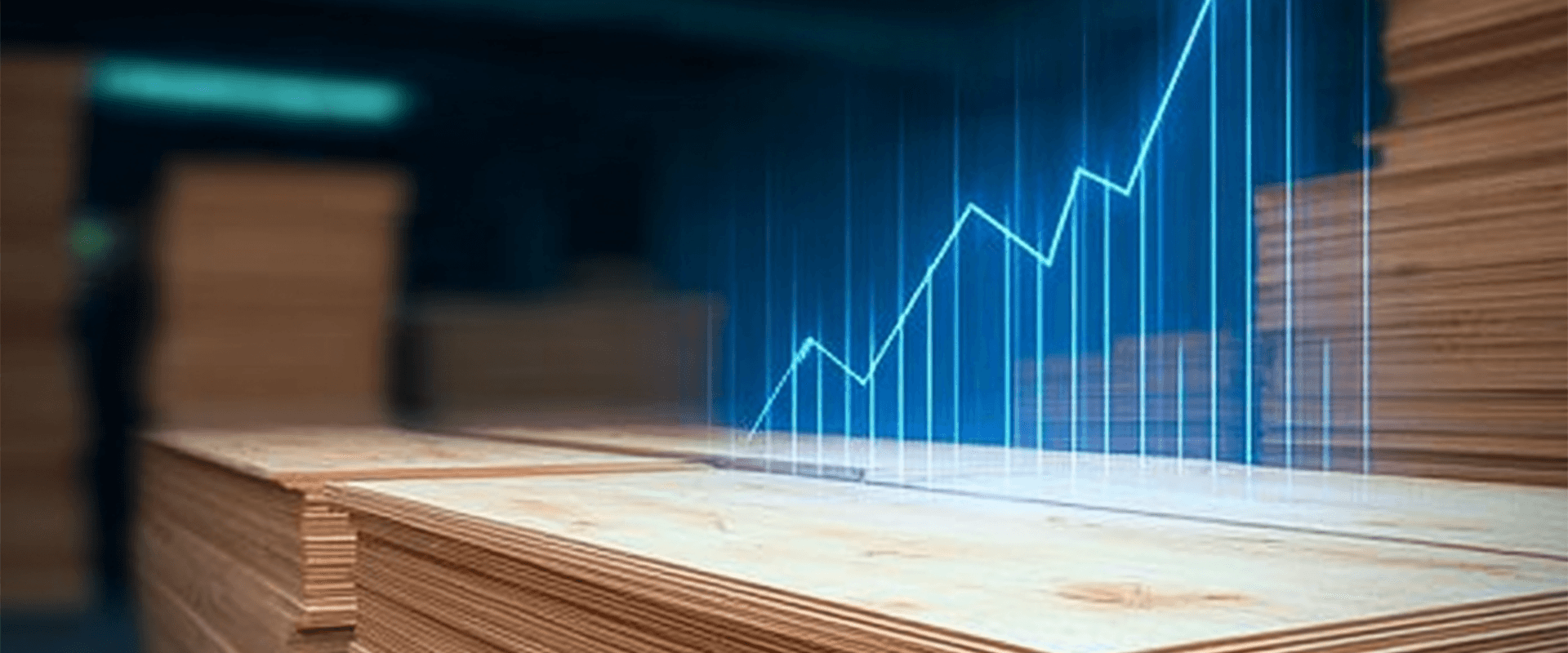
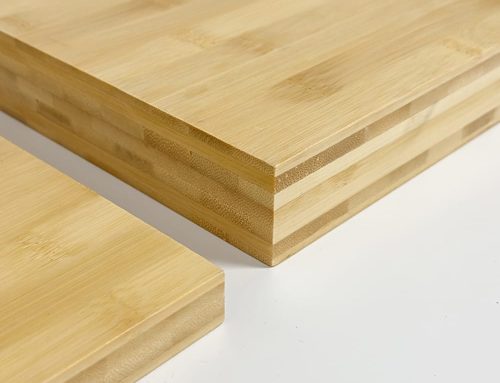
In der sich verändernden Landschaft des nachhaltigen Bauens und der Fertigung, Bambus-Sperrholzmarkt entwickelt sich schnell von einem Nischensektor zu einer globalen Macht. Unterstützt durch robuste Bambus-Sperrholz-Marktanalyse und gestützt durch eine steigende Nachfrage nach grüne Baumaterialien, dieser Markt wird bis 2035 voraussichtlich fast 45 Milliarden Dollar erreichen. Im Mittelpunkt dieses Wachstums stehen Innovationen in technisch verarbeiteten Bambus-Produkten, steigende Akzeptanz von Stranggewebtes Bambusparkett, und erweiterte Anwendungen in Bambus-Terrassenbelag kommerziell Anwendungen, Schichtbambuslumina (LBL), Bambus-Scrimber, Laminiertes Bambus-Furnier (LVB), and Bambus-Sperrholzpaneelen.
Verständnis des Bambus-Sperrholzmarktes
Der Anstieg der Nachfrage nach bambuslaminiertem Sperrholz steht in direktem Einklang mit globalen Bemühungen zur Verringerung von Kohlenstoffemissionen und zur Einführung Materialien mit niedrigem gebundenem Kohlenstoff. Bambus' schneller Wachstumszyklus — Reife in 3 bis 5 Jahren — steht in starkem Kontrast zum jahrzehntelangen Zyklus traditioneller Hartholzbäume und bietet eine hochgradig erneuerbare Rohstoffbasis. Darüber hinaus Bambus-Holz-Wachstumsprognose Prognosen bestätigen starkes zukünftiges Wachstum, angetrieben durch Nachhaltigkeitsvorgaben und eine Marktverschiebung hin zu erneuerbaren, hochleistungsfähigen Materialien.
Wichtige Markttreiber sind:
- Integration von technisch verarbeiteter Bambus in Massivholz-ähnlichen Designs für Gebäude und Innenräume.
- Erhöhung der Spezifikation von Stranggewebtes Bambusparkett in kommerziellen und stark frequentierten Wohnbereichen aufgrund seiner überlegenen Haltbarkeit (hoch Janka-Härte).
- Erweiterte Nutzung von Konstruktionsdielen und Verkleidungen aus Bambus, geschätzt für seine Widerstandsfähigkeit und visuelle Wärme.
- Wachsende Akzeptanz und Nutzung von Bambus-Möbelpaneele in der Möbelherstellung bietet es gleichmäßige Bearbeitung und ästhetische Attraktivität.
Regionale Versorgung und Einhaltung von Normen
Führende asiatische Regionen bleiben zentral für die Bambus-LieferketteChina dominates production capacity, especially for Bambus-Sperrholzpaneelen und laminiertes Bambus-Schnittholz, während Vietnam, Indonesien und Indien ihre Fertigungskapazitäten und Exportvolumina schnell ausbauen.
Nachhaltiger Marktzugang und Premium-Preisgestaltung hängen stark von der Einhaltung strenger Umwelt- und Sicherheitsnormen ab, wie zum Beispiel:
- Emissionszertifizierungen folgen E0 E1 and CARB Phase 2 TSCA Title VI Standards, die Formaldehyd-Emissionen und die Innenraumluftqualität regeln.
- Einhaltung internationaler Life Cycle Assessment (LCA)-Rahmenwerke und Umweltproduktdeklarationen (EPD EN 15804) Unterstützung einer transparenten Bilanzierung des CO2-Fußabdrucks.
Hersteller, die frühzeitig in Zertifizierung und Qualitätskontrolle investieren, erlangen einen Wettbewerbsvorteil und ermöglichen damit ihre Aufnahme in institutionelle Beschaffungssysteme für nachhaltiges Bauen und Zertifizierungssysteme wie LEED und BREEAM.
Innovationen, die die Bambus-Holz-Renaissance vorantreiben
Die Weiterentwicklung von technisch verarbeiteten Bambus-Produkten ist nicht auf traditionelles Sperrholz oder Bodenbeläge beschränkt. Kürzlich Bambus-Brancheninnovationen haben hochdichte Verbundwerkstoffe wie eingeführt Stranggewebtes Bambus-Decking und Bambus-Scrimber, die verbesserte mechanische Eigenschaften und Haltbarkeit liefert, die für kommerzielle Anwendungen entscheidend sind.
Durchbrüche in der Materialwissenschaft verbessern die Feuchtigkeitsbeständigkeit, Dimensionsstabilität und ästhetische Optionen, was bedeutet, dass Bambus nun viele Hartholz-Leistungsbenchmarks erfüllt oder übertrifft, während gleichzeitig die Umweltauswirkungen reduziert werden.
Bambus' Rolle in nachhaltigen Materialien und grünem Bauen
Als die Architektur- und Bauindustrie zunehmend Priorität auf grüne Baumaterialien, Bambus bietet mehrere Vorteile:
- KohlenstoffspeicherungBambuswachstum bindet erhebliche Mengen atmosphärisches CO2, und langlebige Bambusprodukte speichern diesen biogenen Kohlenstoff, was zu CO2-positiven Baukomponenten führt.
- NachhaltigkeitSchnelle Erneuerbarkeit und verantwortungsvolle Beschaffung reduzieren den Druck auf die Entwaldung.
- Zirkuläres DesignTechnisch verarbeitete Bambus-Paneele und Verbundstoffe ermöglichen Demontage, Sanierung und Recycling und schließen damit Materialkreisläufe.
Diese Eigenschaften machen Bambus zu einem unverzichtbaren Material beim globalen Übergang zu kohlenstoffarmen, widerstandsfähigen Bausystemen.
Anwendungshighlights: Praktische Anwendungen auf verschiedenen Märkten
- Stranggepresstes Bambus-ParkettBeliebt wegen seiner außergewöhnlichen Härte und Verschleißfestigkeit, ideal für stark frequentierte gewerbliche und private Böden.
- Bambus-Terrassenbelag KommerziellBambus-Decking wird zunehmend für Hospitality und Einzelhandel spezifiziert und vereint Rutschfestigkeit, Langlebigkeit und nachhaltigen Appeal.
- Sperrholz aus Bambus (LBL) und Bambus-ScrimberStrukturelle Anwendungen einschließlich Balken, tragender Paneele und Möbelkomponenten.
- Laminiertes Bambus-Furnier (LVB) und Bambus-SperrholzplattenArchitektonische Holzbearbeitung, Schrankbau und Innenausbau, die gleichmäßige Maserung und Oberflächenqualität erfordern.
Fortgeschrittene Fertigungstechniken wie CNC-Bearbeitung ermöglichen Präzision und Effizienz und integrieren Bambus nahtlos in modernen Innenräumen und komplexe architektonische Formen.
Subjektive Einblicke: Warum Bambus mehr Aufmerksamkeit verdient
Aus meiner beruflichen Perspektive stellt Bambus-Sperrholz eine der spannendsten Verschiebungen bei nachhaltigen Materialien der letzten Jahrzehnte dar. Seine einzigartige Kombination aus schnellem Wachstum, mechanischer Leistung und ökologischen Vorteilen positioniert es als Vorreiter beim Ersatz von kohlenstoffintensiveren Materialien.
Allerdings erfordert die Maximierung seines Potenzials kontinuierliche Investitionen in Bambus-Zertifizierung, Transparenz während des gesamten Bambus-Lieferkette, und Einhaltung globaler Emissionsstandards. Käufer müssen berücksichtigen Bambus-Sperrholzpaneelen und technisch verarbeitete Produkte mit nachweisbaren EPD EN 15804 Daten, um echte Umweltvorteile zu gewährleisten.
Herausforderungen und Chancen in der Zukunft
While the Bambus-Sperrholzmarkt zeigt starkes Momentum, Herausforderungen bleiben bestehen:
- Marktaufklärung ist erforderlich, um Missverständnisse über die Haltbarkeit und Leistung von Bambus auszuräumen.
- Die fortgesetzte Harmonisierung von Emissions- und Strukturstandards ist wesentlich, um die globale Akzeptanz zu rationalisieren.
- Lieferkettenresilienz und Logistikmanagement bleiben angesichts schwankender Nachfrage und globaler Handelskomplexität Prioritäten.
Allerdings bleibt die Aussicht überwiegend positiv, mit starkem Wachstum, das prognostiziert wird, da mehr Sektoren die vielseitigen Anwendungen von Bambus nutzen, von Bambus-Möbelpaneele bis zu großflächigen Konstruktionsdielen und Verkleidungen.
Abschließende Gedanken
Da die Welt sich schnell in Richtung nachhaltiges Bauen und Fertigung bewegt, bietet Bambus-Sperrholz eine wirklich bahnbrechende Lösung. Dank seiner schnellen Erneuerbarkeit, außergewöhnlichen mechanischen Eigenschaften und Kohlenstoffspeicherfähigkeiten sind Bambus-Produkte nicht länger Nischenlösungen — sie sind bereit, Eckpfeiler der zirkulären, kohlenstoffarmen Wirtschaft zu werden.
Für Beschaffungsfachleute, Hersteller und Designer, die bereit sind, die nächste Generation zu integrieren technisch verarbeiteten Bambus-Produkten in ihre Lieferketten und Projekte integrieren, um zu verstehen, dass Bambus-Holz-Wachstumsprognose und Markttrends ist entscheidend. Mit ordnungsgemäßer Zertifizierung, Qualitätskontrolle und strategischer Beschaffung aus führenden Zentren wie China, Vietnam, Indonesien und Indien kann Bambus in den kommenden Jahrzehnten beispiellose Nachhaltigkeit und Designwert erschließen.
Weitere Informationen: Sperrholz. Siehe auch HTR Bamboo’s Bambussperrholz und Bambussfurnier für weitere Informationen zu Bambus-Sperrholz.
Teilen Sie diese Geschichte, wählen Sie Ihre Plattform!
About the Author: HTR Bamboo Editorial Team

Related Posts


Auf dieser Seite
Bambusspezifikationen benötigt?
Neueste Beiträge
Copyright 2020 – 2030 HTR Bamboo
Alle Rechte vorbehalten!

 English
  German
  Spanish
  Vietnamese