Bambusmöbelherstellung für OEM-Käufer: Spezifikation, Muster und Serienproduktion
Schnelle Antwort: Eine Bestellung für Bambusmöbel sollte durch die vereinbarte Materialauswahl, die Überprüfung der Zeichnungen, repräsentative Muster, schriftliche Genehmigungen, die Serieninspektion und die Lieferung erfolgen. Dokumentieren Sie bei jedem Schritt, was genehmigt wurde und wer verantwortlich ist. Beginnen Sie damit, zu bestätigen, ob der Umfang des Lieferanten Platten, bearbeitete Komponenten oder das vollständige montierte Produkt umfasst.
1. Wählen Sie das Material für das fertige Möbelteil aus
Beschreiben Sie die Anwendung, sichtbare Oberflächen und Kanten, unterstützte Spannweite, Last, Innen- oder Außenbedingungen und Finish. Ein Bambusfurnier auf einem separaten Substrat und eine vollständig aus Bambus laminierte Platte sind unterschiedliche Konstruktionen. Einfach gepresste, seitlich gepresste und stranggewebte Materialien haben auch unterschiedliche Aussehen und Verarbeitungseigenschaften.
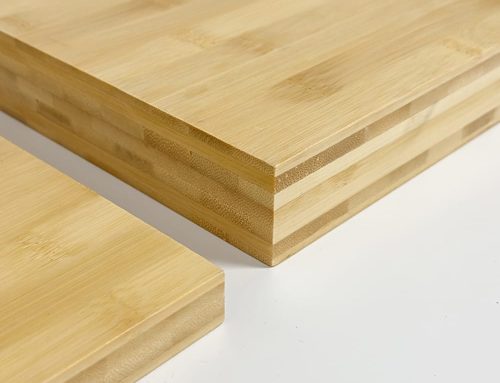
Vergleichen Sie die Bambus-Sperrholztypen und spezifizieren Sie die vollständige Schichtfolge. Für Regale, Türen und Tischplatten geben Sie die Befestigungsmethode und die Unterstützungsanordnung an. Bestätigen Sie die erforderlichen Nachweise für den vorgesehenen Gebrauch, bevor Sie die Platte auswählen.
2. Überprüfen Sie das Design und definieren Sie den Lieferumfang
Stellen Sie eine maßstabsgetreue Zeichnung mit einer Revisionsnummer, Mengen, kritischen Merkmalen und Finish-Referenzen zur Verfügung. Markieren Sie Lochpositionen, Kantenprofile, Fugen, Hardware-Schnittstellen und Oberflächen, die frei von sichtbaren Reparaturen bleiben müssen. Vereinbaren Sie, welche Abmessungen überprüft werden müssen und wie sie gemessen werden.
Bitten Sie den Lieferanten, die in seinem Angebot enthaltenen Arbeiten zu identifizieren: Schneiden, CNC-Fräsen, Bohren, Schleifen, Finish, Montage und Verpackung. Identifizieren Sie auch Arbeiten, die von Produktionspartnern durchgeführt werden. Die Materialauswahl und die Überprüfung der Herstellbarkeit sollten nicht mit einem unbestätigten Engagement für Industriedesign, Strukturengineering oder vollständige Möbelmontage verwechselt werden.
3. Erstellen Sie ein Muster, das die richtige Frage beantwortet
| Muster | Zweck | Genehmigungsprotokoll |
|---|---|---|
| Material- und Finishmuster | Überprüfen Sie die Maserung, Farbe, Oberflächenklasse, Kante und Beschichtungserscheinung. | Materialcode, Oberflächenreferenz und akzeptabler visueller Bereich. |
| Bearbeitete Komponente oder Prototyp | Überprüfen Sie kritische Abmessungen, gefräste Details, Verbindungen und die Passgenauigkeit mit der Hardware. | Zeichnungsrevision, gemessene Ergebnisse, Fotografien und erforderliche Änderungen. |
| Vorproduktionsmuster oder Pilotcharge | Überprüfen Sie die vorgeschlagene Produktionskonstruktion, Oberflächenbehandlung, Montage und Verpackung. | Genehmigte Spezifikation, Inspektionskriterien und Freigabebeschluss. |
Auf kleinen Bildschirmen scrollen Sie die Tabelle seitwärts, um die Spalten zu vergleichen.
Vereinbaren Sie die Mustergröße, Kosten, Werkzeuge, Kurierbedingungen und den erwarteten Zeitrahmen, bevor die Arbeit beginnt. Ein kleiner Chip kann helfen, eine Farbe auszuwählen; er kann jedoch die Vollflächigkeit, die Möbelbelastung oder die Montage nicht überprüfen. HTR’s Musteranforderungsseite hilft, die Ausgangsinformationen zu sammeln.
4. Bestätigen Sie das Muster, bevor Sie die Serienproduktion freigeben
Verwenden Sie ein schriftliches Genehmigungsprotokoll, das das Muster, die Zeichnungsrevision und die Spezifikation benennt. Listen Sie akzeptierte Abweichungen und alle ausstehenden Korrekturen auf. Bewahren Sie ein Referenzmuster oder einen vereinbarten Satz von Fotografien und Messungen auf; für variable natürliche Farben bewahren Sie eine repräsentative Palette.
Genehmigen Sie Änderungen am Kern, Klebstoff, Oberflächenbehandlung, Abmessungen oder an untervergebenen Prozessen vor der Produktion. Wenn eine Änderung die Passgenauigkeit oder Leistung beeinflusst, entscheiden Sie, ob ein weiteres Muster erforderlich ist. Vermeiden Sie eine Freigabe, die nur auf „sieht gut aus“ basiert, wenn kritische Abmessungen oder Verpackungen ungelöst bleiben.
5. Überprüfen Sie die Serienproduktion anhand des genehmigten Protokolls
Setzen Sie Inspektionspunkte, die die Risiken der Bestellung widerspiegeln. Diese können eingehendes Material und Schichtkonstruktion, Abmessungen nach der Bearbeitung, Oberflächenzustand nach der Oberflächenbehandlung und endgültige Verpackung umfassen. Vereinbaren Sie die Stichprobenmethode, Akzeptanzkriterien, Inspektionspartei und den Prozess zur Behebung von Abweichungen.
- Abmessungen und Passgenauigkeit: messen Sie die vereinbarten kritischen Merkmale unter Verwendung der angegebenen Bezugspunkte und Werkzeuge.
- Feuchtigkeit und Flachheit: definieren Sie die Messbedingungen, den Zeitrahmen und die akzeptablen Ergebnisse für die Anwendung.
- Erscheinungsbild und Oberflächenbehandlung: vergleichen Sie die Maserung, Farbpalette, Reparaturen, Kanten und Beschichtung mit dem Genehmigungsprotokoll.
- Menge und Rückverfolgbarkeit: überprüfen Sie Teilecodes, Chargenprotokolle, Etiketten und Verpackungszahlen.
Zertifikate und Prüfberichte sollten mit dem erforderlichen Produkt und Umfang übereinstimmen. Verwenden Sie die Zertifizierungs- und Dokumentenleitfaden um die relevanten Unterlagen anzufordern; ein Materialbericht zertifiziert nicht automatisch das fertige Möbelprodukt.
6. Genehmigen Sie die Verpackung und vereinbaren Sie die Übergabe der Lieferung
Definieren Sie Kanten- und Oberflächenschutz, Karton- oder Palettenlayout, Etiketten und alle Montageanleitungen. Bestätigen Sie die verpackten Abmessungen und das Gewicht, bevor Sie den Frachttransport buchen. Der Lieferplan sollte die Inspektionsfreigabe, den Versand aus der Fabrik, den Transport, die Zollverantwortlichkeiten und die endgültige Übergabe identifizieren.
Geben Sie den Incoterm und den benannten Ort an und unterscheiden Sie die Produktionslieferzeit von Transit und Zollabfertigung. Die erforderlichen Ankunftsdaten sollten im Hinblick auf die Materialverfügbarkeit, Musterrevisionen und die tatsächliche Route bewertet werden.
Was Sie HTR Bamboo für eine OEM-Überprüfung senden sollten
Senden Sie die Anwendung, Zeichnung, Materialpräferenz, Oberflächenbehandlung, Musterziel, Test- und Wiederholmengen, Zielort und erforderliche Dokumente. Wir können das Bambusmaterial und den vorgeschlagenen Lieferumfang überprüfen, bevor wir das Angebot und den Musterplan bestätigen.
Für ein dokumentiertes Produktionsbeispiel lesen Sie unser Fallstudie zu privaten Bambusprodukten. Es zeigt ein spezifisches Produktprogramm; es ist kein Beweis dafür, dass jedes Möbeldesign bereits validiert wurde. Vergleichen Sie Entwicklungs- und Nachbestellkosten unter Verwendung des Leitfadens zu den Bambusverarbeitungskosten.
Materialreferenzen: Überprüfen Sie die Bambus-Sperrholzsortiment von HTR Bamboo und technischen Kataloge bei der Erstellung Ihrer Zeichnung und Materialspecifikation.
Arbeiten Sie mit einem Lieferanten zusammen? Überprüfen Sie die technischen Kataloge und Bambus-Produktpalette für B2B-Großhandel und OEM, oder Angebot anfordern.
Teilen Sie diese Geschichte, wählen Sie Ihre Plattform!
About the Author: HTR Bamboo Editorial Team

Related Posts


Auf dieser Seite
Bambusspezifikationen benötigt?
Neueste Beiträge
Copyright 2020 – 2030 HTR Bamboo
Alle Rechte vorbehalten!

 English
  German
  Spanish
  Vietnamese