Wie Bambusprodukte hergestellt werden: Käuferprozessleitfaden

Kurze Antwort: Bambusprodukte werden hergestellt, indem Bambusmaterial ausgewählt und vorbereitet, getrocknet oder konditioniert, in die erforderliche Konstruktion zusammengebaut oder gepresst und dann bearbeitet, fertiggestellt und das Ergebnis inspiziert wird. Der genaue Weg ändert sich je nach Produkt, Kleber, Finish, Zeichnung, Zielort und nachgelagertem Prozess; schließen Sie nicht aus dem Wort „Bambus“ allein auf Leistung oder Zertifizierung.
Was der Produktionsweg normalerweise umfasst
- Definieren Sie das Produktbriefing. Bestätigen Sie, ob das Projekt Sperrholz, Furnier, eine Arbeitsplatte, eine Komponente oder einen fertigen OEM-Artikel benötigt. Halten Sie Abmessungen, Dicke, Maserung, Finish, Menge, Zielort und beabsichtigte Verwendung fest.
- Bereiten Sie das Material vor. Bambusrohre, Streifen, Stränge oder Furnier werden ausgewählt und für die angegebene Konstruktion verarbeitet. Muster, Farbe, Dicke und Rückseite sind produktspezifische Variablen.
- Trocknen und konditionieren. Feuchtigkeitsziele, Konditionierungsmethoden und Flachheitsprüfungen sollten für die angegebene Konstruktion und den Zielort vereinbart werden. Ein allgemeines Ziel ist kein Ersatz für ein genehmigtes Muster.
- Montieren und pressen. Die Schichtaufbau, die Faserrichtung, der Kleber, die Pressbedingungen und die Plattenmaße definieren die gelieferte Konstruktion. Fragen Sie, welche Aufzeichnungen und Tests für die tatsächliche Konfiguration gelten.
- Maschinen und fertigstellen. Kanten, Ausschnitte, Schleifen, Beschichtung, Bohren, Laserarbeiten oder andere nachgelagerte Prozesse sollten in der Zeichnung und im Musterbrief beschrieben werden. Werkzeug Einstellungen und die Kompatibilität der Oberflächen müssen am tatsächlichen Material validiert werden.
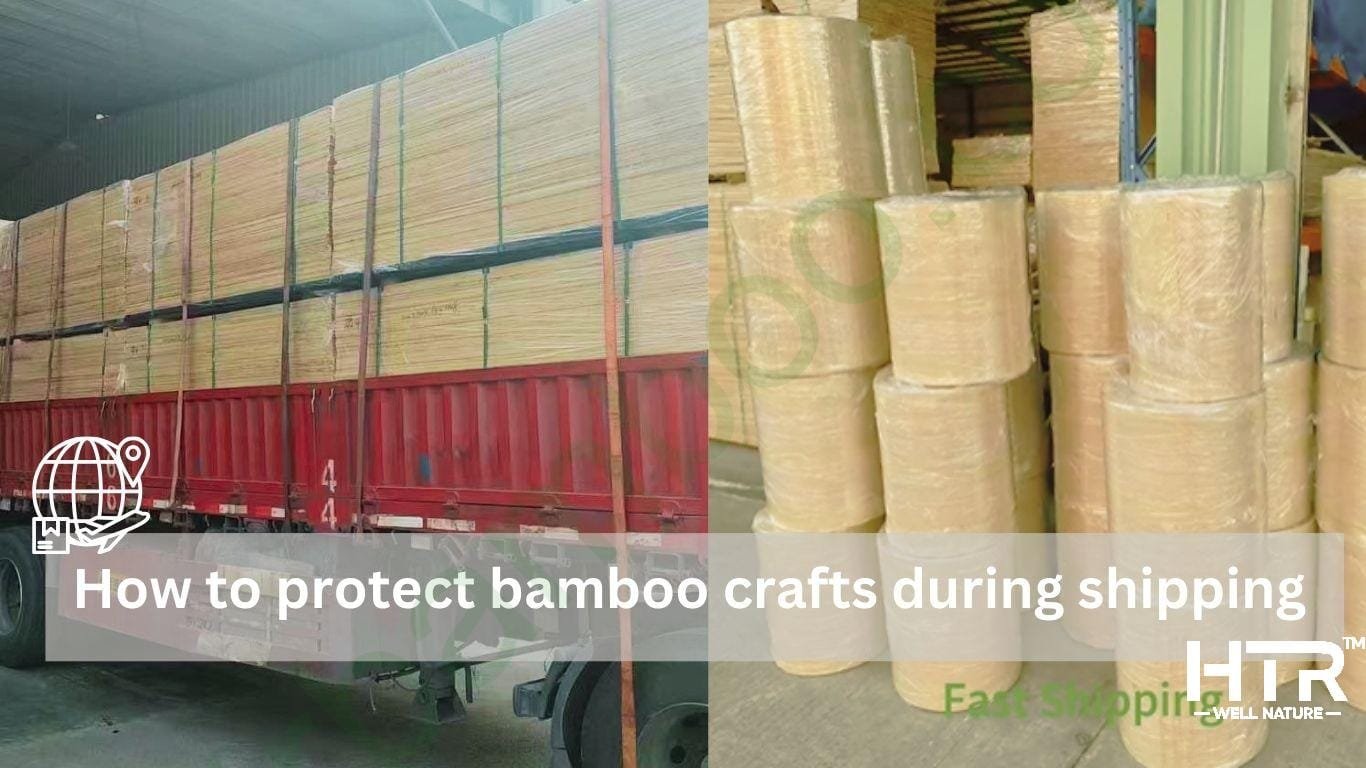
- Überprüfen, verpacken und versenden. Vereinbaren Sie die Abnahmepunkte, Prüfungsnachweise, Verpackung, Route, Dokumente und Verantwortlichkeiten des Importeurs vor der Produktion und dem Versand.
Wie sich die Route je nach Produktfamilie unterscheidet
- Bambus-Sperrholz und -platten: Bestätigen Sie den Schichtaufbau, die Faser, die Dickentoleranz, die Ebenheitsmethode, den Kleber, das Finish und die nachgelagerte Bearbeitung.
- Bambus-Furnier: Bestätigen Sie die Dicke, die Rückseite, das Muster, die Faseranpassung, das Substrat, den Kleber, den Press- und den Fertigungsprozess.
- Bambus-Arbeitsplatten: Bestätigen Sie die Konstruktion, das Kantenprofil, das Finish, die Feuchtigkeits- und Pflegeanforderungen, den Lebensmittelkontaktbereich und die Ziel-Dokumente.
- Bambus-Stricknadeln und -Werkzeuge: Bestätigen Sie das Format, den Größenbereich, die Spitze und die Oberflächenanforderungen, die Musterakzeptanz, die Verpackung und die Private-Label-Felder.
Nachweise, die vor der Serienproduktion angefordert werden sollten
- Eine Zeichnung oder Spezifikation, die Maße, Toleranzen, Konstruktion und Finish dokumentiert.
- Ein genehmigtes Musterprotokoll oder schriftliche Akzeptanzpunkte für Aussehen, Oberfläche, Ebenheit, Bearbeitung und Verwendung.
- Bestellbezogene Zertifizierung, Emissionen, Prüfungs-, Inspektions- oder Exportdokumente, wenn das Ziel dies erfordert.
- Ein Verpackungs- und Versandplan, der die Route, Dokumente, Zölle und die Verantwortlichkeiten des Importeurs oder Maklers benennt.
Was HTR Bamboo für ein nützliches Angebot benötigt
Senden Sie die Anfrage, Maße, Dicke, Konstruktion, Menge, Ziel, nachgelagerte Prozesse, Musteranforderung, Verpackung und erforderliche Dokumente. Wenn Sie eine Zeichnung oder eine 3D-Datei haben, fügen Sie diese dem Brief bei. Je vollständiger die Spezifikation, desto präziser kann HTR die Machbarkeit, den Musterumfang und die kommerziellen Bedingungen bestätigen.
Durchsuchen Sie die technischen Kataloge, Fordern Sie ein repräsentatives Muster an oder Starten Sie eine OEM- oder Großhandelsanfrage.
Häufig gestellte Fragen von Käufern
Verwendet jedes Bambusprodukt denselben Prozess?
Nein. Laminierte Platten, Furnier, strandgewebtes Material, Arbeitsplatten und kleine Fertigwaren verwenden unterschiedliche Konstruktionen und Abnahmepunkte. Bestätigen Sie den produktspezifischen Weg, bevor Sie Lieferanten vergleichen.
Kann ein Muster das gesamte Produktionsergebnis beweisen?
Ein Muster ist ein Nachweis für die getestete Konfiguration und den Prozess. Dokumentieren Sie, was genehmigt wurde, testen Sie es in der vorgesehenen Umgebung und passen Sie die Produktionsbestellung an dieses Protokoll an; ein Muster ist keine allgemeine Garantie für jede zukünftige Konstruktion.
Welche Umwelt- oder Compliance-Ansprüche sollten überprüft werden?
Überprüfen Sie das genaue Produkt, den Kleber, die Dicke, das Finish, den Lizenzbereich, das Ziel und die Bestelldokumente. Bitten Sie HTR, zu identifizieren, welche Zertifizierungen, Emissionen oder Testnachweise gelten, anstatt sich auf eine standortweite Erklärung zu verlassen.
Teilen Sie diese Geschichte, wählen Sie Ihre Plattform!
About the Author: HTR Bamboo Editorial Team

Related Posts


Auf dieser Seite
Bambusspezifikationen benötigt?
Neueste Beiträge
Copyright 2020 – 2030 HTR Bamboo
Alle Rechte vorbehalten!

 English
  German
  Spanish
  Vietnamese