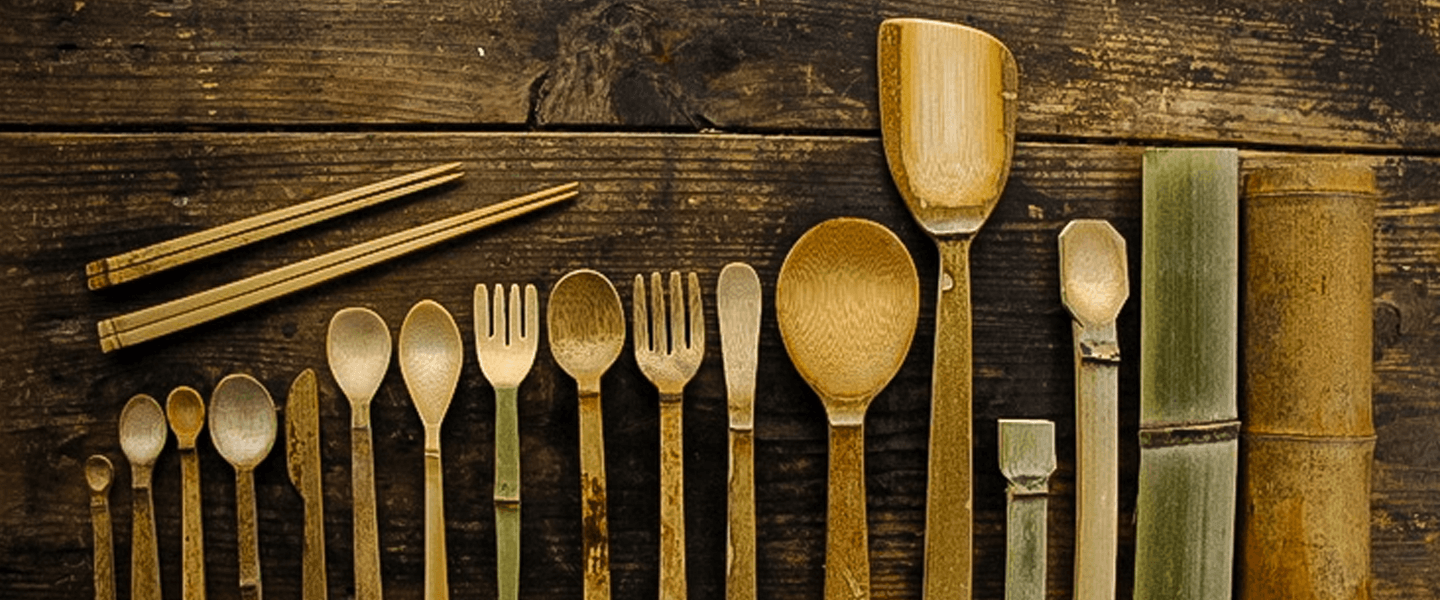
Quick answer: Modern bamboo crafts blend tradition with new design. This 2026 guide covers modern bamboo crafts for B2B buyers, with the key facts and sourcing tips on modern bamboo crafts you need before you decide.
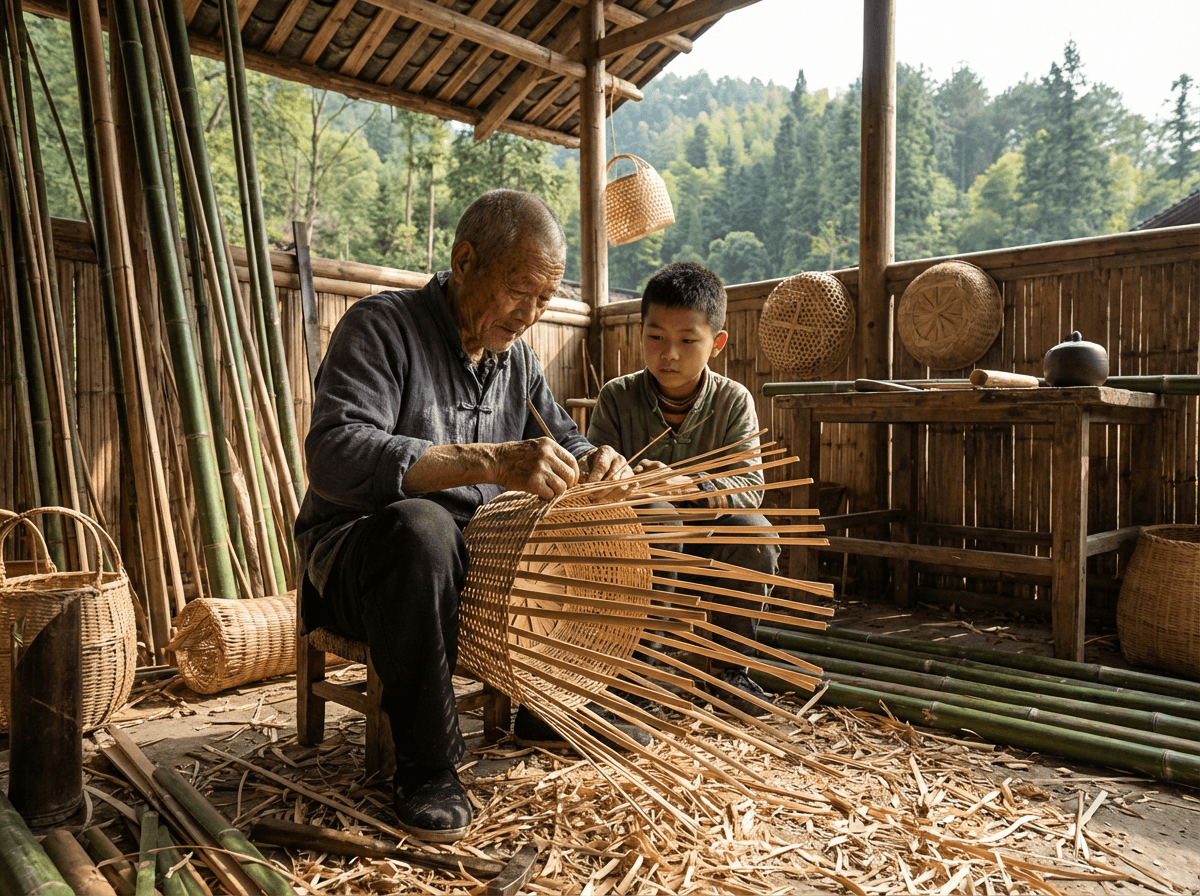
Quick answer: this guide explains bamboo crafts for buyers in 2026, covering the key facts, trade-offs, and sourcing tips you need before you decide.
Bamboo Craft Revival: Tradition Meets Innovation in Sustainable Design
Bamboo craftsmanship is experiencing a remarkable revival, blending traditional bamboo crafts with modern bamboo artistry to create artisanal bamboo products that resonate with today’s design and sustainability demands. This resurgence is not just about preserving heritage; it’s about innovating responsibly to meet the needs of contemporary architecture and interiors.
From bamboo wall cladding to engineered bamboo panels, and from intricate bamboo weaving techniques to bold bamboo furniture and lighting designs, bamboo is redefining what it means to create with nature. This article explores how sustainable bamboo design is shaping the future, highlighting key techniques, standards, and collaboration models that empower designers, artisans, and brands alike.
Why Preserving Traditional Bamboo Crafts Matters – Modern bamboo crafts
The essence of bamboo craft lies in centuries-old knowledge—spanning species selection, natural curing, weaving patterns, and joinery methods. These bamboo craft techniques are integral to cultural identity and community livelihoods, especially in regions where bamboo grows abundantly.
Preserving these crafts supports:
- Sustainability at the source: Bamboo’s rapid growth and regenerative root systems enable selective harvesting that maintains ecosystem health.
- Circular design principles: Efficient use of bamboo offcuts and repairable products minimize waste.
- Economic empowerment: Fair pricing and ethical sourcing ensure artisans earn a living wage, fostering resilient rural economies.
- Design and performance: Properly treated bamboo delivers strength, acoustic benefits, and a natural texture prized in biophilic design.
The Market Tailwind and Challenges
The global demand for bamboo products is growing steadily, with forecasts projecting a 4.7% CAGR through 2032. This momentum is evident in sectors like flooring, wall cladding, furniture, and home accessories.
However, the rise of mass-produced bamboo alternatives threatens traditional artisans by undercutting prices. To counter this, brands and specifiers are increasingly seeking traceability and documentation that verify ethical sourcing and craftsmanship.
Modern Applications of Bamboo Craft
Bamboo Wall Cladding and Architectural Surfaces
Traditional weaving patterns such as basket-weave and twill are being reinterpreted into bamboo wall cladding systems that combine beauty with performance. These surfaces often incorporate fire-retardant coatings and low-VOC finishes, enhancing both safety and indoor air quality.
Bamboo Furniture and Lighting
The marriage of bamboo craft and technology enables the creation of furniture and lighting that are lightweight, durable, and visually striking. Laminated bamboo arcs and hand-woven cane seats showcase the material’s versatility and engineered bamboo’s dimensional stability.
Parametric Bamboo Screens
Using computational design, artisans and engineers produce parametric bamboo screens that balance light filtration, privacy, and aesthetic appeal—perfect for modern interiors seeking natural textures and dynamic shadows.
Integrating Tradition with Innovation
Modern bamboo artistry embraces CNC milling and laser cutting to achieve precision and scalability without sacrificing the soul of the craft. Techniques like boron borax treatment ensure durability and pest resistance while respecting environmental standards.
Adherence to quality benchmarks such as ISO 22157 (mechanical testing) and ISO 22156 (structural design) guarantees engineered bamboo products meet global performance and safety requirements.
Subjective Perspective: The Value of Bamboo Craft Revival
From a professional viewpoint, the revival of bamboo craftsmanship is more than a trend—it is a necessary evolution. It represents a holistic approach where sustainable bamboo products are not only environmentally sound but also culturally rich and economically viable.
Collaborations that emphasize co-design with artisans ensure that traditional knowledge informs modern production, creating products that are authentic, high-quality, and scalable.
How Buyers and Designers Can Support Bamboo Craft Preservation
- Commit to ethical sourcing and fair pricing to sustain artisan communities.
- Specify products with clear traceability and documentation to build market trust.
- Encourage innovation that respects heritage while meeting modern standards.
- Support initiatives like the UNIDO bamboo initiative that empower craft clusters and improve quality control.
- Prioritize circular design principles to maximize resource efficiency and product longevity.
Conclusion: Bamboo Craft as a Pillar of Sustainable Design
The intersection of bamboo craft revival and modern innovation offers a compelling blueprint for sustainable design. By embracing artisanal techniques alongside engineered solutions, the industry can deliver bamboo furniture and lighting, bamboo wall cladding, and other products that are not only beautiful and functional but also ethically produced and environmentally responsible.
For architects, designers, and brands seeking to differentiate through authenticity and sustainability, bamboo craft presents an unparalleled opportunity to connect heritage with the future.
Further reading: Bamboo (overview). See also HTR Bamboo’s bamboo plywood and FSC certifications for more on bamboo crafts.
When you evaluate modern bamboo crafts, start with certification and consistency. Ask for the FSC Chain-of-Custody number, request recent formaldehyde test reports, and confirm specifications in writing. A dependable supplier of modern bamboo crafts can share factory photos, support OEM and custom sizing, and quote realistic lead times and minimum order quantities, so your modern bamboo crafts arrives on spec and on time.
For buyers comparing modern bamboo crafts, the essentials are quality, certification and consistent supply. Good modern bamboo crafts comes with FSC documentation, formaldehyde test reports and tight tolerances, and a supplier who can handle OEM sizing. When you specify modern bamboo crafts, confirm lead times and MOQs in writing so your modern bamboo crafts order arrives on spec.
Buying at volume? See HTR Bamboo’s bamboo crafts for B2B wholesale and OEM, or request a quote.
Share This Story, Choose Your Platform!
About the Author: HTR Bamboo Editorial Team

Related Posts


Table of Content
- Why Preserving Traditional Bamboo Crafts Matters – Modern bamboo crafts
- The Market Tailwind and Challenges
- Modern Applications of Bamboo Craft
- Integrating Tradition with Innovation
- Subjective Perspective: The Value of Bamboo Craft Revival
- How Buyers and Designers Can Support Bamboo Craft Preservation
- Conclusion: Bamboo Craft as a Pillar of Sustainable Design
Need bamboo specifications?
Latest Posts
Copyright 2020 – 2030 HTR Bamboo
All Rights Reserved!

 English
  German
  Spanish
  Vietnamese