Quick answer: this guide explains traditional bamboo crafts for buyers in 2026, covering the key facts, trade-offs, and sourcing tips you need before you decide.
Preserving Traditional Bamboo Crafts: Challenges and Opportunities in Modern Sustainable Design
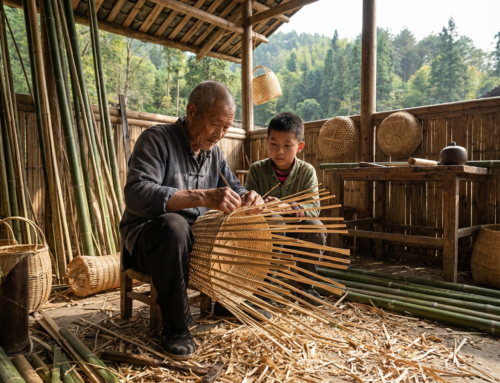
Bamboo craft is making a comeback—and it’s about much more than just honoring tradition. This revival is a powerful movement that connects age-old bamboo craftsmanship with today’s growing demand for sustainable bamboo design. It’s a beautiful blend that not only keeps artisanal skills alive but also pushes bamboo to the forefront of eco-friendly architecture, interiors, and innovative products.
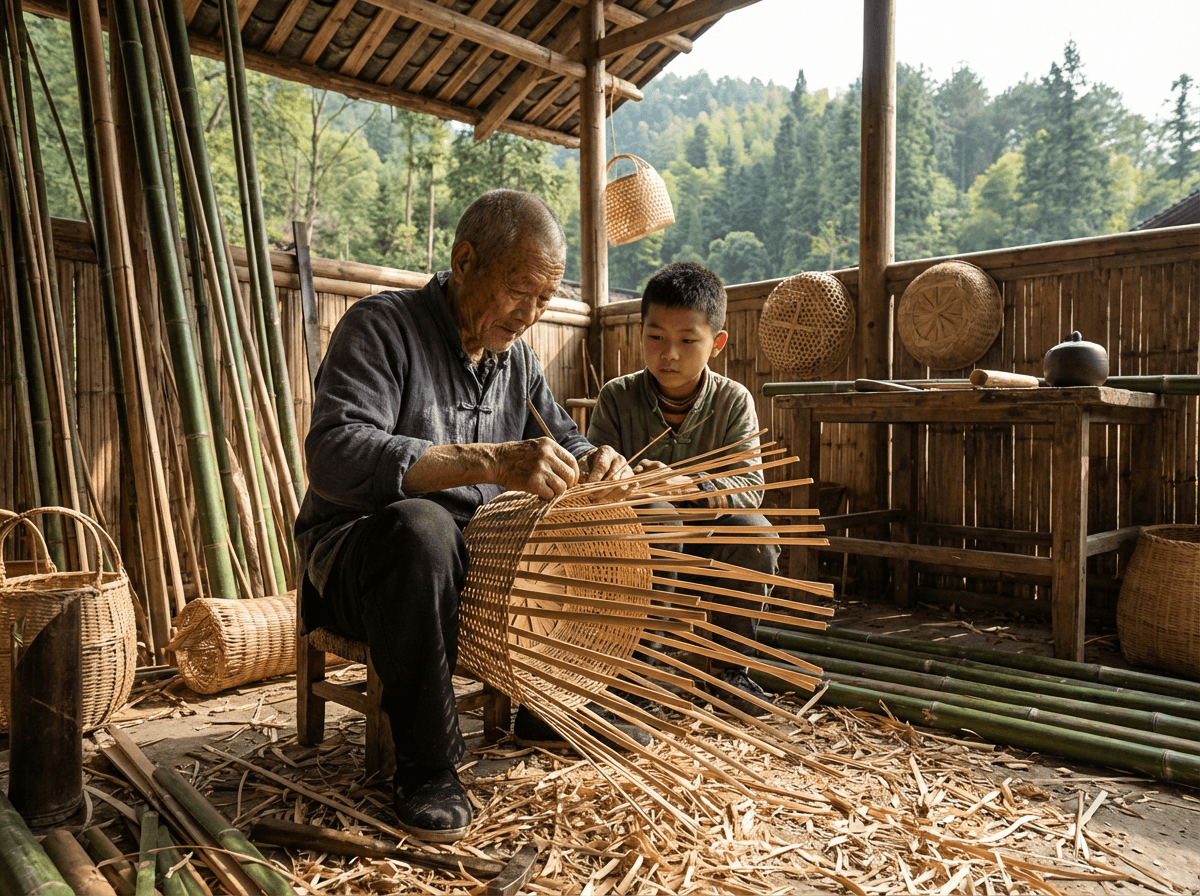
From the delicate art of bamboo weaving to the creation of large engineered bamboo panels and stylish bamboo wall cladding, bamboo craftsmanship is evolving. It’s meeting modern standards without losing touch with its rich cultural roots.
Why Bamboo Craft Preservation Matters
Preserving bamboo craft means protecting priceless cultural knowledge. This includes everything from choosing the right bamboo species and natural curing methods to intricate weaving patterns and joinery techniques passed down through generations in Asia, Africa, and Latin America. These skills help in:
- Producing sustainable materials that support healthy ecosystems through careful harvesting and natural treatments like boron borax treatment.
- Supporting livelihoods and community growth by providing fair jobs and economic opportunities in rural areas.
- Enhancing biophilic design by bringing the warm, tactile beauty of handcrafted bamboo products into our living spaces.
The Hurdles Bamboo Artisans Face Today
Even though there’s a rising global appetite for sustainable bamboo products, traditional bamboo artisans are up against some tough challenges:
- Economic pressures from cheaper, mass-produced alternatives make it hard for artisans to get fair prices.
- Younger generations are moving away from craft work, putting the future of these skills at risk.
- Limited access to contemporary design trends and global markets restricts growth opportunities.
- Inconsistent product quality due to variations in moisture control, curing, and finishing.
- Supply chain issues caused by unsustainable harvesting and climate changes affecting raw bamboo availability.
- Health and safety concerns, with artisans often lacking safe finishing products and protective gear, which also impacts their ability to export.
Opportunities Through Innovation and Teamwork
The future of bamboo craft lies in mixing tradition with fresh ideas:
- Co-designing with artisans helps blend traditional patterns into modern, modular, and parametric designs, like parametric bamboo screens and acoustic panels.
- Using CNC bamboo fabrication boosts precision and scalability while keeping the artisanal touch.
- Following standardized quality standards for bamboo, such as ISO 22156 and ISO 22157, ensures engineered bamboo products meet safety and performance benchmarks.
- Embracing traceability and documentation brings transparency to the supply chain, which is crucial for ethical sourcing and green procurement.
- Programs like the UNIDO bamboo initiative show how cluster development, training, and market connections can improve craft quality and boost incomes.
Bamboo Craft in Today’s Design: A Visual and Functional Showcase
Modern bamboo artistry shines in many forms:
- Bamboo wall cladding adds texture and rhythm to spaces, enhanced by fire-retardant and low-VOC finishes.
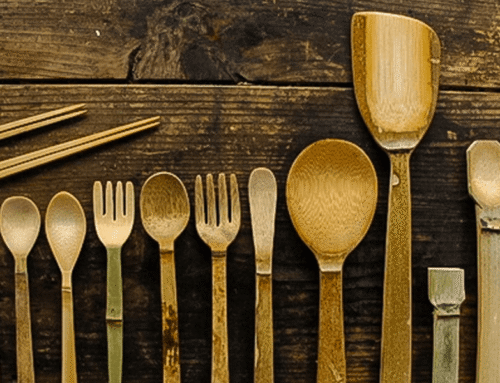
- Bamboo furniture and lighting combine steam-bent frames with woven details to create lightweight, elegant, and durable pieces.
- Parametric bamboo screens use computational design to craft dynamic, modular partitions that balance light, privacy, and sound.
- Strand-woven bamboo and bamboo veneer collections offer dense, eye-catching surfaces perfect for upscale interiors.
Why Bamboo Craft Revival Matters in Sustainable Design
From where I stand, the revival of bamboo craft is a meaningful crossroads of cultural preservation and eco-friendly innovation. It gives designers and brands a genuine story that resonates with people looking for products that are both beautiful and responsible.
Supporting bamboo artisans through fair pricing, ethical sourcing, and collaborative design doesn’t just keep traditions alive—it enriches the global market with products that truly matter.
Looking Ahead: Building a Sustainable Future with Bamboo Craftsmanship
Preserving and evolving bamboo craft isn’t just about saving culture—it’s a smart move for sustainable development. As demand for sustainable bamboo products grows, blending traditional craftsmanship with modern engineering and certification opens new doors for artisans and businesses alike.
For architects, designers, and buyers, embracing bamboo craft means contributing to a circular economy, promoting biophilic design materials, and offering products that tell a story of heritage, innovation, and sustainability.
Ready to discover the rich potential of bamboo craftsmanship in your next project? Partner with experts who know how to blend tradition and innovation for truly impactful, sustainable design.
Further reading: Bamboo (overview). See also HTR Bamboo’s bamboo plywood and FSC certifications for more on traditional bamboo crafts.
Source from the manufacturer: explore HTR Bamboo’s OEM bamboo crafts for B2B wholesale and OEM, or request a quote.
Share This Story, Choose Your Platform!
About the Author: HTR Bamboo Editorial Team

Related Posts

On this page
Need bamboo specifications?
Latest Posts
Copyright 2020 – 2030 HTR Bamboo
All Rights Reserved!

 English
  German
  Spanish
  Vietnamese