Bamboo Snowboard Cores & Panels for OEM Buyers
Quick answer: bamboo can be evaluated as a snowboard core, laminate or face material, but a panel specification alone cannot predict the ride or durability of a finished board. The core profile, grain direction, fiberglass or carbon layup, resin, base, edges, inserts and press cycle work as one system. Start with a representative material sample, then test a complete prototype built to the buyer’s construction.
Which bamboo material route fits a snowboard project?
The right route depends on whether bamboo is the main core material, one part of a hybrid core, or a thin visible or structural layer. HTR can review an RFQ for bamboo panels or laminations intended for prototyping; availability and final construction are confirmed against the drawing and sample.
Full bamboo core blank
Use when: the buyer wants bamboo to make up most or all of the wood core.
Define: blank size, finished profile, layup, grain direction, target mass and machining responsibility.
Hybrid core lamination
Use when: bamboo strips or layers will be combined with another wood or reinforcement.
Define: material location, strip dimensions, bond-line requirements and the buyer’s complete layup.
Thin face or reinforcement layer
Use when: the design calls for a thin bamboo layer rather than a complete core.
Define: thickness, backing or construction, surface, fibre direction and compatibility with the buyer’s resin system.
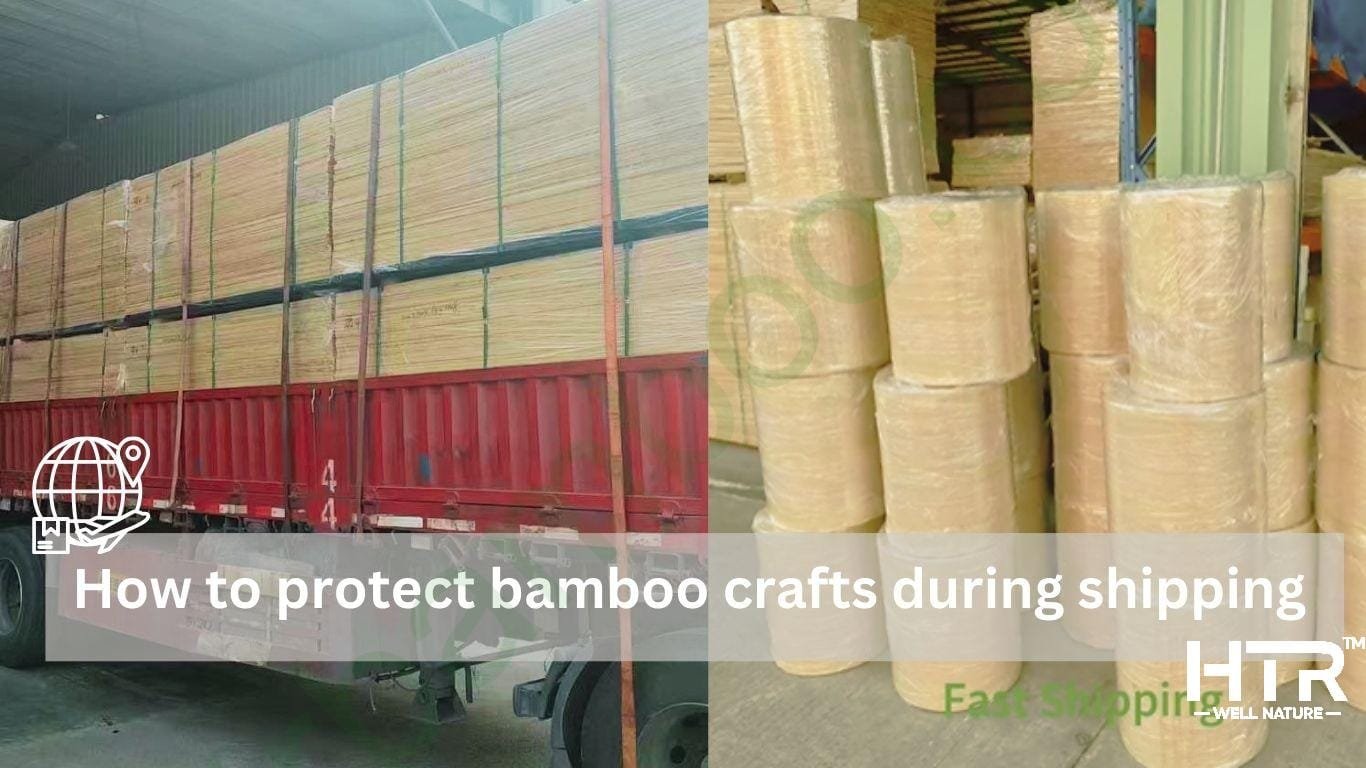
HTR’s related skateboard and longboard bamboo-panel listing currently shows customised sizes, a 0.5–11.5 mm reference thickness range and more than one adhesive route. Those figures are a starting point, not a guaranteed snowboard specification. Confirm the requested construction, tolerance, bonding system and sample route in the quotation.
Why finished-board performance needs prototype testing
A snowboard is a laminated system. Burton’s construction overview lists the base, fiberglass, epoxy, core and topsheet as common layers, with metal edges, sidewalls and inserts also affecting the build. Its manufacturing guide also shows that layup, curing and finishing are separate controlled stages. This is why a generic bamboo-versus-maple strength number cannot establish the flex, impact resistance, damping or service life of a finished snowboard.
Buyer responsibility: the snowboard designer or manufacturer should set the performance target and validate the complete prototype. HTR’s material sample can support that process; it is not a finished-board performance certificate.
See Burton’s overview of snowboard materials and its layup, curing and finishing outline.
Snowboard core and panel RFQ checklist
Send these inputs before comparing quotations. If a value is still under development, label it as a prototype target instead of treating it as an approved production specification.
| Input | What to specify | Why it matters |
|---|---|---|
| Material route | Full bamboo blank, hybrid lamination, thin face or another defined use | Sets the construction and sample scope |
| Dimensions | Blank length and width, nominal thickness, finished profile and machining allowance | Separates supplied size from the buyer’s final core geometry |
| Layup and direction | Layer count, grain or fibre direction, face orientation and any mixed materials | Prevents an appearance description from being mistaken for the complete structure |
| Bonding process | Buyer’s resin or adhesive system, press temperature, pressure and cure conditions | Allows a compatibility trial before production |
| Tolerances and condition | Dimensional tolerances, moisture or conditioning requirement and surface preparation | Controls machining and lamination consistency |
| Programme details | Prototype quantity, forecast or annual quantity, destination and required documents | Defines sample, packing and quotation assumptions |
Sample approval before an OEM order
- Approve the supplied material: record construction, dimensions, mass, surface condition, visible bond lines and any agreed documentation.
- Run a machining trial: cut or profile the sample with the intended tooling and inspect edges, tear-out and dimensional repeatability.
- Run a bonding trial: use the buyer’s actual resin, reinforcement, press cycle and surface preparation.
- Build the complete prototype: include the intended base, edges, sidewalls, inserts, reinforcement and topsheet.
- Test against the buyer’s acceptance plan: define flex, fatigue, impact, bond and environmental checks for the complete board, with test conditions and pass criteria recorded.
Send the drawing and request a representative material sample →
Sustainability and certificate claims
Do not describe a finished snowboard as biodegradable or lower-carbon solely because it contains bamboo. A finished board also contains resin, reinforcement, base, edges, inserts and other components. Any comparative environmental claim needs a defined product system, boundary, data source and calculation method.
If FSC certification is required, request the current certificate code and verify the organisation, status and product scope in FSC Search. Confirm whether the quoted material and claim type are covered; a general company statement does not replace order-specific documentation.
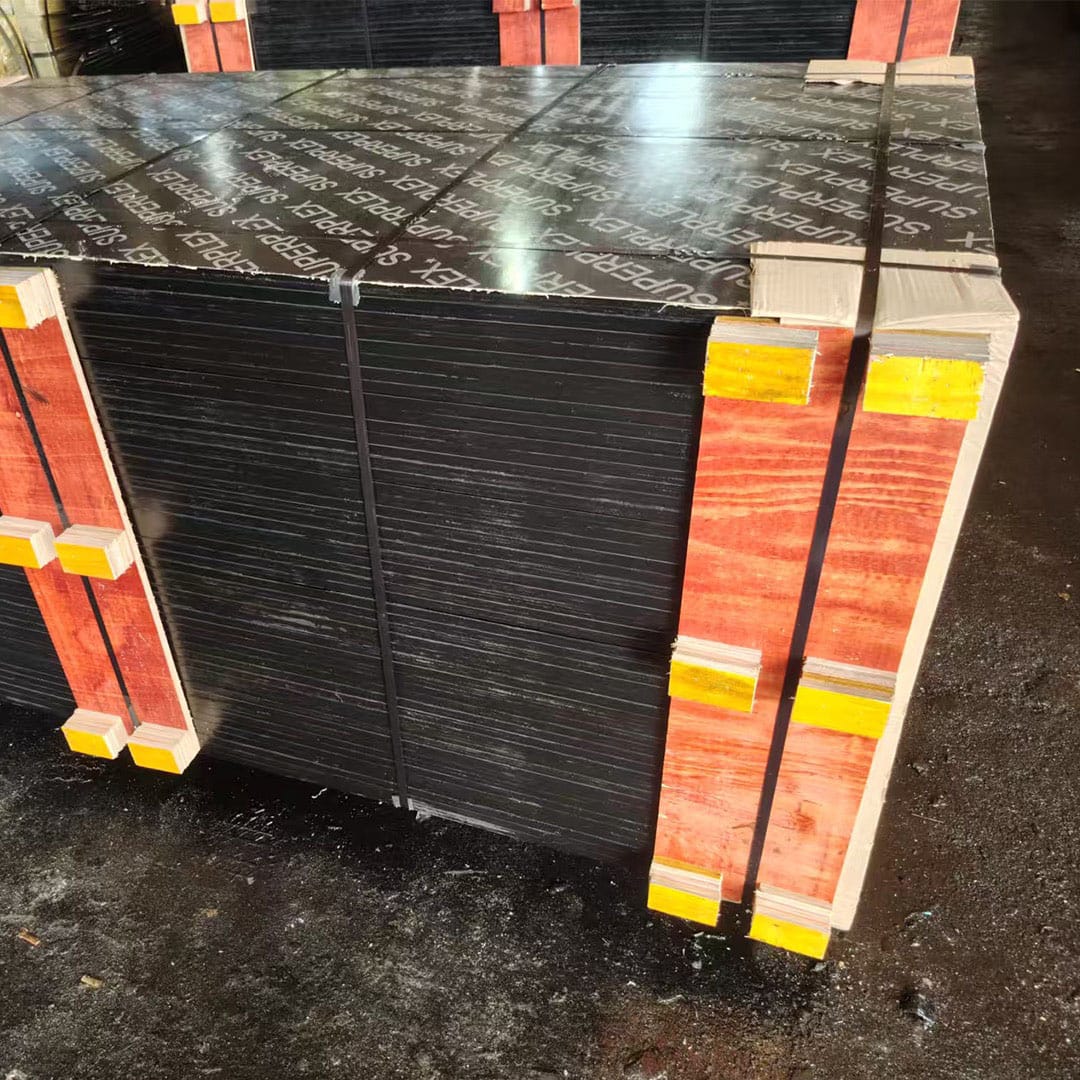
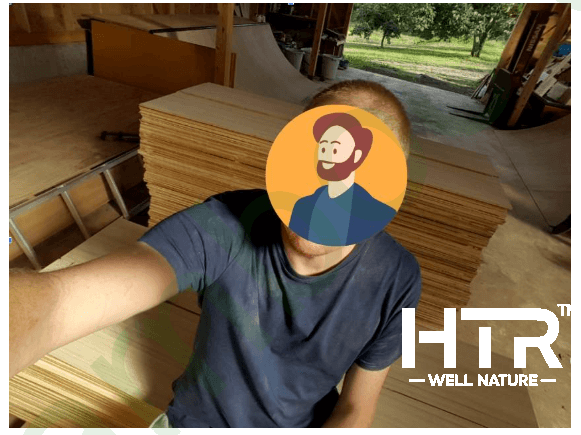
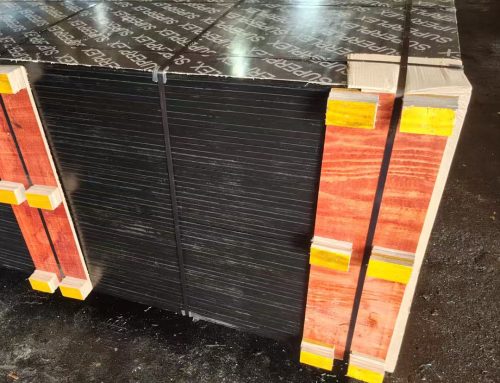
Customer-supplied material photo
A customer shared the following photo after receiving an HTR bamboo panel. It documents the supplied material and customer interaction; it does not by itself certify a snowboard construction, test result, production volume or finished-board performance.
Request a snowboard material review
For a useful first review, send the core or panel route, drawing or target dimensions, construction, grain direction, bonding process, prototype quantity, forecast quantity, destination and required documents. HTR can then confirm which points are available, which need sampling and which remain the buyer’s finished-board validation responsibility.
Send the snowboard core or panel specification
Use the form below if you prefer to submit the RFQ directly on this page.
Related: review the bamboo panels for longboards and skateboards or use the tracked OEM material request above.
Share This Story, Choose Your Platform!
About the Author: HTR Bamboo Editorial Team

Related Posts
On this page
Need bamboo specifications?
Latest Posts
Copyright 2020 – 2030 HTR Bamboo
All Rights Reserved!

 English
  German
  Spanish
  Vietnamese