Quick answer: this guide explains high density bamboo for buyers in 2026, covering the key facts, trade-offs, and sourcing tips you need before you decide.

High Density® Bamboo Production: Maximizing Sustainability and Yield
High Density® bamboo production! That’s an interesting topic. High Density® bamboo production refers to a specialized technique used to cultivate bamboo with a higher concentration of culms (bamboo stalks) per unit area. It’s an innovative approach that maximizes the yield and quality of bamboo while minimizing land usage.
Using this method, bamboo farmers carefully select specific bamboo species and plant them in closely spaced rows. This encourages competition among the bamboo plants, leading to more vigorous growth and the development of a greater number of culms. With High Density® bamboo production, farmers can achieve up to three times the traditional bamboo yield, making it an efficient and sustainable method.
Not only does High Density® bamboo production offer higher yields, but it also has positive environmental benefits. Bamboo is known for its rapid growth and carbon sequestration capabilities, making it an excellent renewable resource. By cultivating bamboo using this technique, we can maximize its potential while reducing the need for additional land.
Additionally, bamboo has a wide range of applications, from construction and furniture to textiles and even as a food source. Its versatility, combined with the benefits of High Density® bamboo production, makes it an attractive option for sustainable industries and products.
Further reading: Bamboo (overview). See also HTR Bamboo’s bamboo plywood and FSC certifications for more on high density bamboo.
High density bamboo: what B2B buyers should know in 2026
Demand for high density bamboo keeps rising as architects, importers and brands look for materials that balance performance with sustainability. Bamboo reaches maturity in three to five years, far faster than hardwood, so high density bamboo offers a renewable supply without sacrificing strength. For buyers, the practical questions are quality, compliance and consistency from order to order.
When you evaluate high density bamboo, start with certification. Ask for the FSC Chain-of-Custody number and verify it at info.fsc.org, request the latest formaldehyde test reports (E0 or E1, plus CARB/TSCA Title VI where relevant), and confirm the adhesive system. Pure all-bamboo products also sit outside the EU Deforestation Regulation, which can simplify due diligence for European importers. These checks protect you from variable quality and customs surprises.
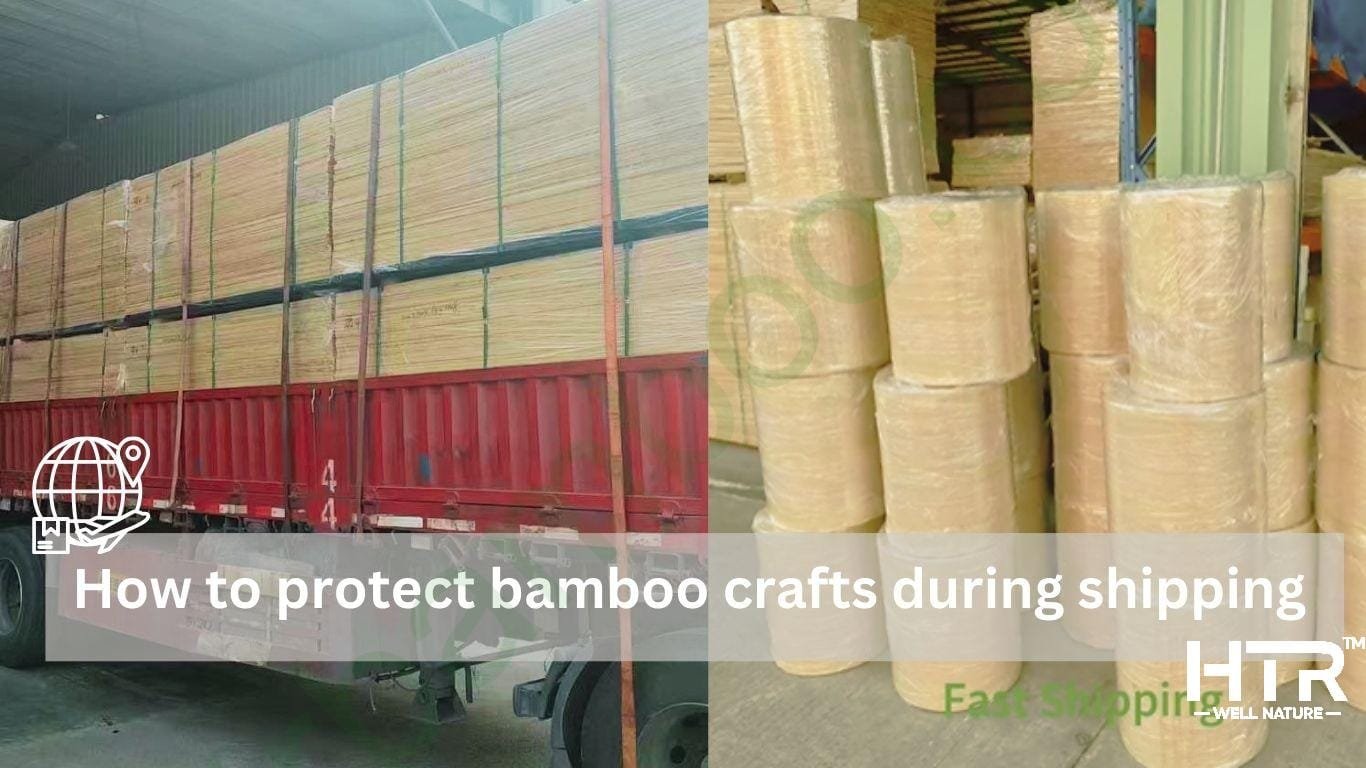
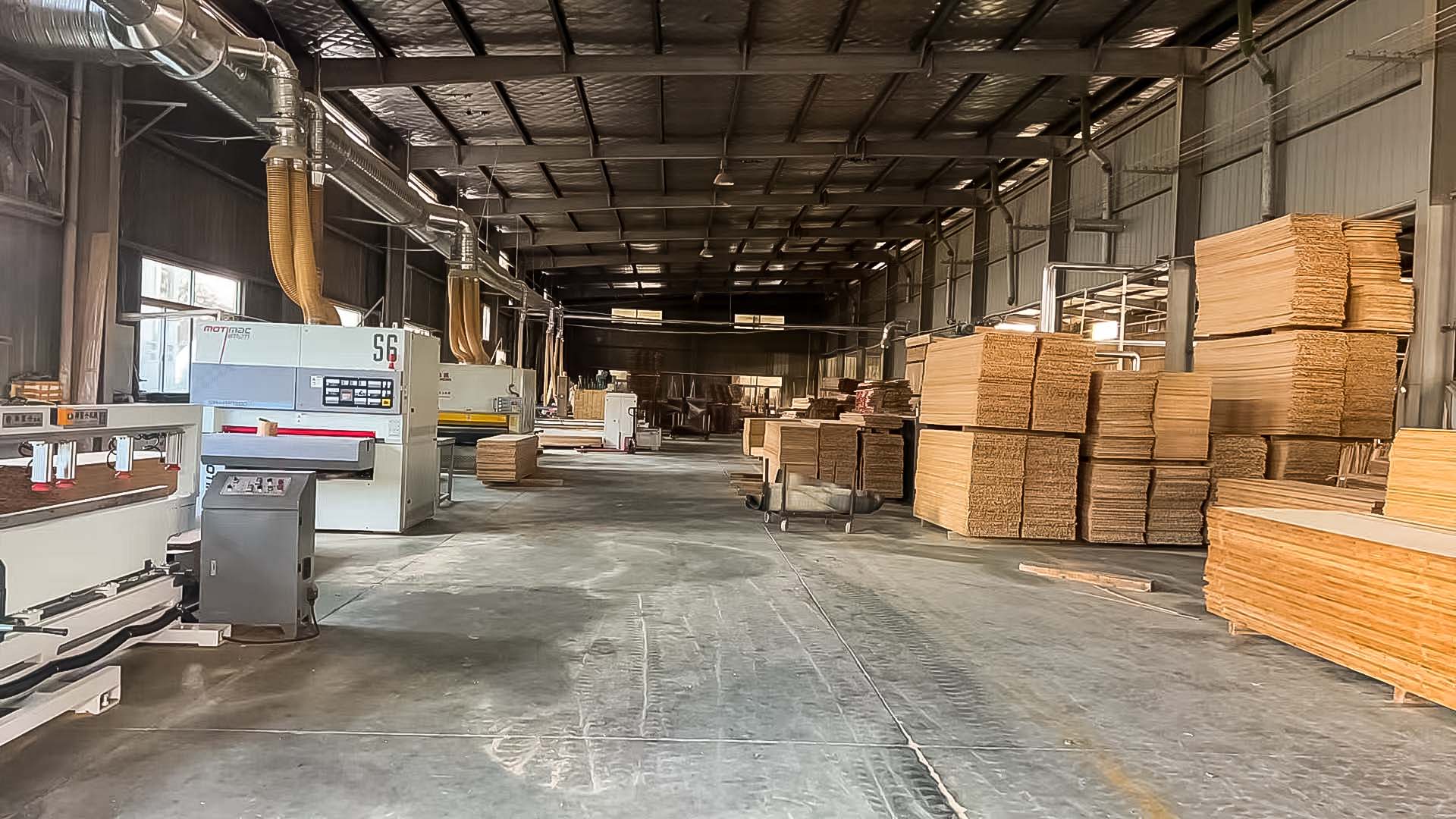
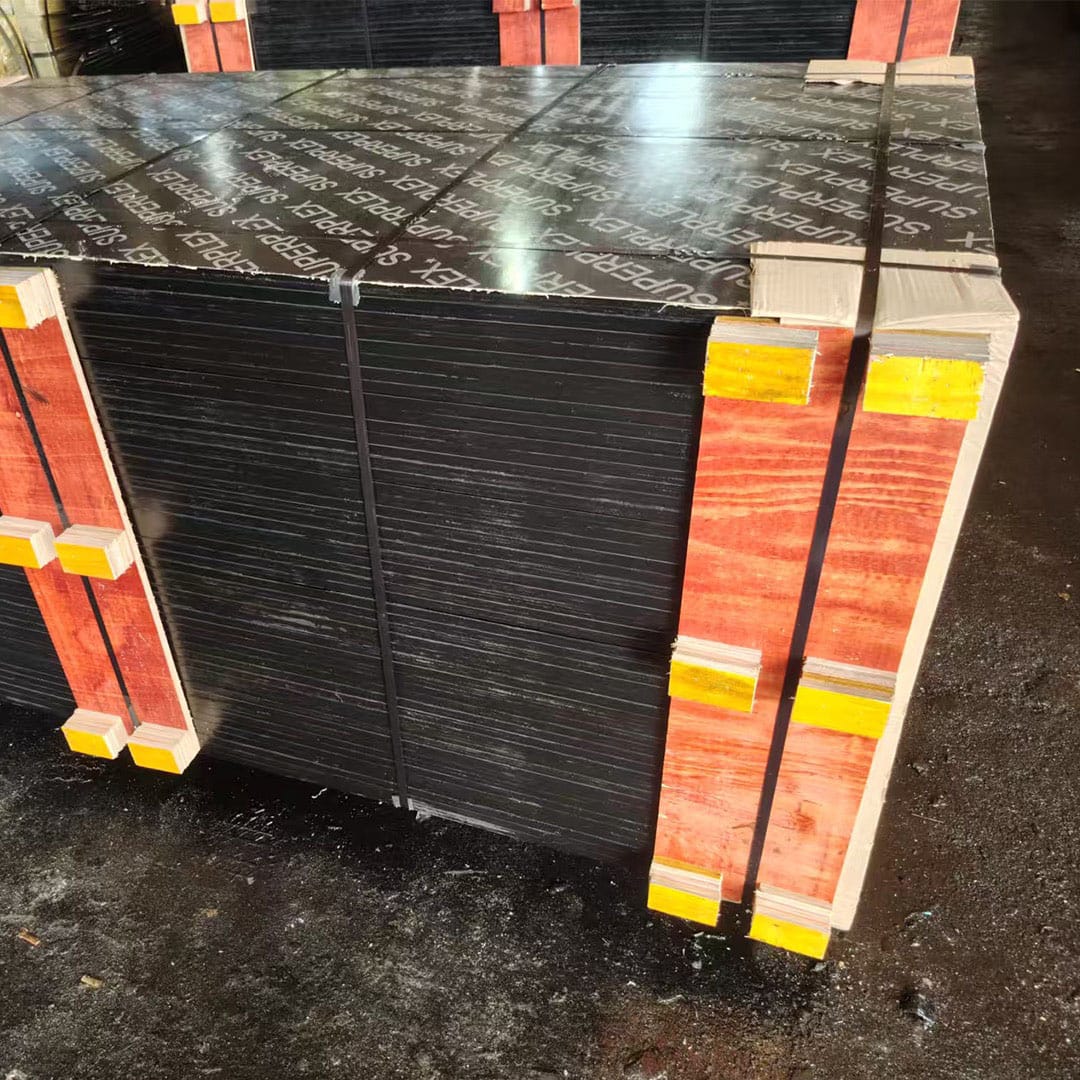
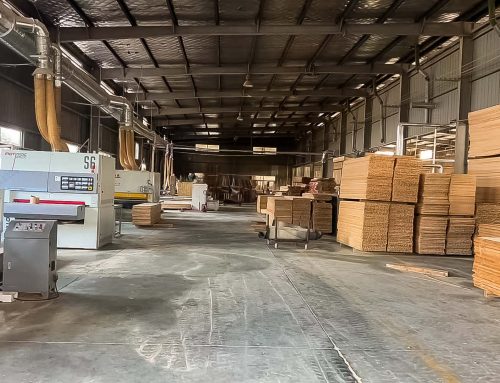
Next, look at the supplier behind the high density bamboo. A reliable manufacturer can show factory photos, share specifications with tight tolerances, support OEM and custom sizing, and quote realistic lead times and MOQs. Consistent moisture content, color matching and packaging matter as much as the headline price, because rework and claims erase any saving.
Why source high density bamboo from HTR Bamboo
HTR Bamboo manufactures and exports high density bamboo worldwide, backed by FSC certification (FSC-C210923), low-emission options, and OEM/ODM flexibility for B2B wholesale buyers. The team supports buyers in Europe, Australia, the Americas and Asia with samples, documentation and dependable shipping, so you can specify high density bamboo with confidence in 2026.
High density bamboo: FAQ and sourcing guide
Demand for high density bamboo keeps rising as architects, importers and brands look for materials that balance performance with sustainability. Bamboo reaches maturity in three to five years, far faster than hardwood, so high density bamboo offers a renewable supply without sacrificing strength. For buyers, the practical questions are quality, compliance and consistency from order to order.
When you evaluate high density bamboo, start with certification. Ask for the FSC Chain-of-Custody number and verify it at info.fsc.org, request the latest formaldehyde test reports (E0 or E1, plus CARB/TSCA Title VI where relevant), and confirm the adhesive system. Pure all-bamboo products also sit outside the EU Deforestation Regulation, which can simplify due diligence for European importers. These checks protect you from variable quality and customs surprises.
Next, look at the supplier behind the high density bamboo. A reliable manufacturer can show factory photos, share specifications with tight tolerances, support OEM and custom sizing, and quote realistic lead times and MOQs. Consistent moisture content, color matching and packaging matter as much as the headline price, because rework and claims erase any saving.
Why source high density bamboo from HTR Bamboo
HTR Bamboo manufactures and exports high density bamboo worldwide, backed by FSC certification (FSC-C210923), low-emission options, and OEM/ODM flexibility for B2B wholesale buyers. The team supports buyers in Europe, Australia, the Americas and Asia with samples, documentation and dependable shipping, so you can specify high density bamboo with confidence in 2026.
Share This Story, Choose Your Platform!
About the Author: HTR Bamboo Editorial Team

Related Posts
On this page
Need bamboo specifications?
Latest Posts
Copyright 2020 – 2030 HTR Bamboo
All Rights Reserved!

 English
  German
  Spanish
  Vietnamese