Quick answer: this guide explains bamboo flooring for buyers in 2026, covering the key facts, trade-offs, and sourcing tips you need before you decide.

Why Choose Bamboo Flooring for Commercial Spaces?
When it comes to commercial flooring, durability, aesthetics, and sustainability are top priorities. Bamboo flooring has emerged as a popular choice for offices, retail stores, restaurants, and other commercial spaces due to its strength, eco-friendliness, and elegant appeal.
At HTR Bamboo, we specialize in high-quality bamboo flooring solutions that cater to the needs of businesses looking for durable, stylish, and sustainable flooring options.
Benefits of Bamboo Flooring for Commercial Use
1. Exceptional Durability
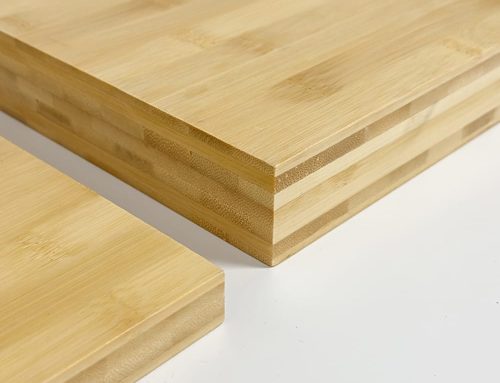
Bamboo is a highly durable material, making it ideal for commercial settings with heavy foot traffic. Strand-woven bamboo flooring, in particular, is harder than many traditional hardwoods, ensuring longevity and resistance to wear and tear.
2. Sustainable and Eco-Friendly
Bamboo grows significantly faster than hardwood trees, making it a highly renewable resource. HTR Bamboo sources bamboo responsibly, providing environmentally friendly flooring solutions that contribute to LEED certification and sustainable building initiatives.
3. Aesthetic Appeal
Bamboo flooring adds a modern and sophisticated touch to commercial spaces. Available in various finishes, from natural to carbonized tones, it complements different interior styles, from contemporary offices to cozy retail spaces.
4. Low Maintenance and Easy to Clean
Bamboo flooring is easy to maintain with regular sweeping and occasional mopping. It resists moisture better than traditional hardwood, making it a practical choice for commercial environments.
5. Cost-Effective Flooring Solution
Compared to hardwood, bamboo flooring offers a cost-effective yet premium alternative, providing businesses with high-quality flooring at a competitive price.
Best Commercial Applications for Bamboo Flooring
Retail Stores and Showrooms
The elegant and sleek appearance of bamboo flooring enhances the shopping experience while withstanding heavy foot traffic.
Offices and Corporate Spaces
Bamboo flooring contributes to a professional and eco-conscious workspace, aligning with sustainable corporate values.
Restaurants and Cafés
With its natural warmth and durability, bamboo flooring is an excellent choice for dining establishments that require both aesthetics and functionality.
Hotels and Hospitality
Hotels benefit from bamboo flooring’s luxurious appeal and resilience, making it a great option for lobbies, rooms, and common areas.
Why Choose HTR Bamboo for Your Commercial Flooring Needs?
HTR Bamboo is a trusted supplier of high-quality bamboo flooring designed for commercial applications. We offer:
- Premium bamboo flooring in various finishes and styles
- Eco-friendly and responsibly sourced materials
- Durable and long-lasting solutions for high-traffic areas
- Competitive pricing and wholesale options
- Expert guidance on installation and maintenance
Conclusion
For businesses seeking a flooring solution that balances durability, elegance, and sustainability, bamboo flooring is the perfect choice. HTR Bamboo provides top-quality bamboo flooring that meets the demands of modern commercial spaces.
Contact us today to learn more about our bamboo flooring options and how they can enhance your commercial space.
Further reading: Bamboo flooring. See also HTR Bamboo's strand-woven bamboo flooring and bamboo plywood for more on bamboo flooring.
Key takeaways on bamboo flooring
- Why it matters: Bamboo flooring combines strength, sustainability and value, which is why more B2B buyers specify it in 2026.
- What to check: when sourcing bamboo flooring, confirm FSC certification, low-emission (E0/E1) adhesives and verified test reports.
- How HTR helps: HTR Bamboo supplies bamboo flooring worldwide with OEM options, consistent quality and reliable lead times.
Bamboo flooring: what B2B buyers should know in 2026
Demand for bamboo flooring keeps rising as architects, importers and brands look for materials that balance performance with sustainability. Bamboo reaches maturity in three to five years, far faster than hardwood, so bamboo flooring offers a renewable supply without sacrificing strength. For buyers, the practical questions are quality, compliance and consistency from order to order.
When you evaluate bamboo flooring, start with certification. Ask for the FSC Chain-of-Custody number and verify it at info.fsc.org, request the latest formaldehyde test reports (E0 or E1, plus CARB/TSCA Title VI where relevant), and confirm the adhesive system. Pure all-bamboo products also sit outside the EU Deforestation Regulation, which can simplify due diligence for European importers. These checks protect you from variable quality and customs surprises.
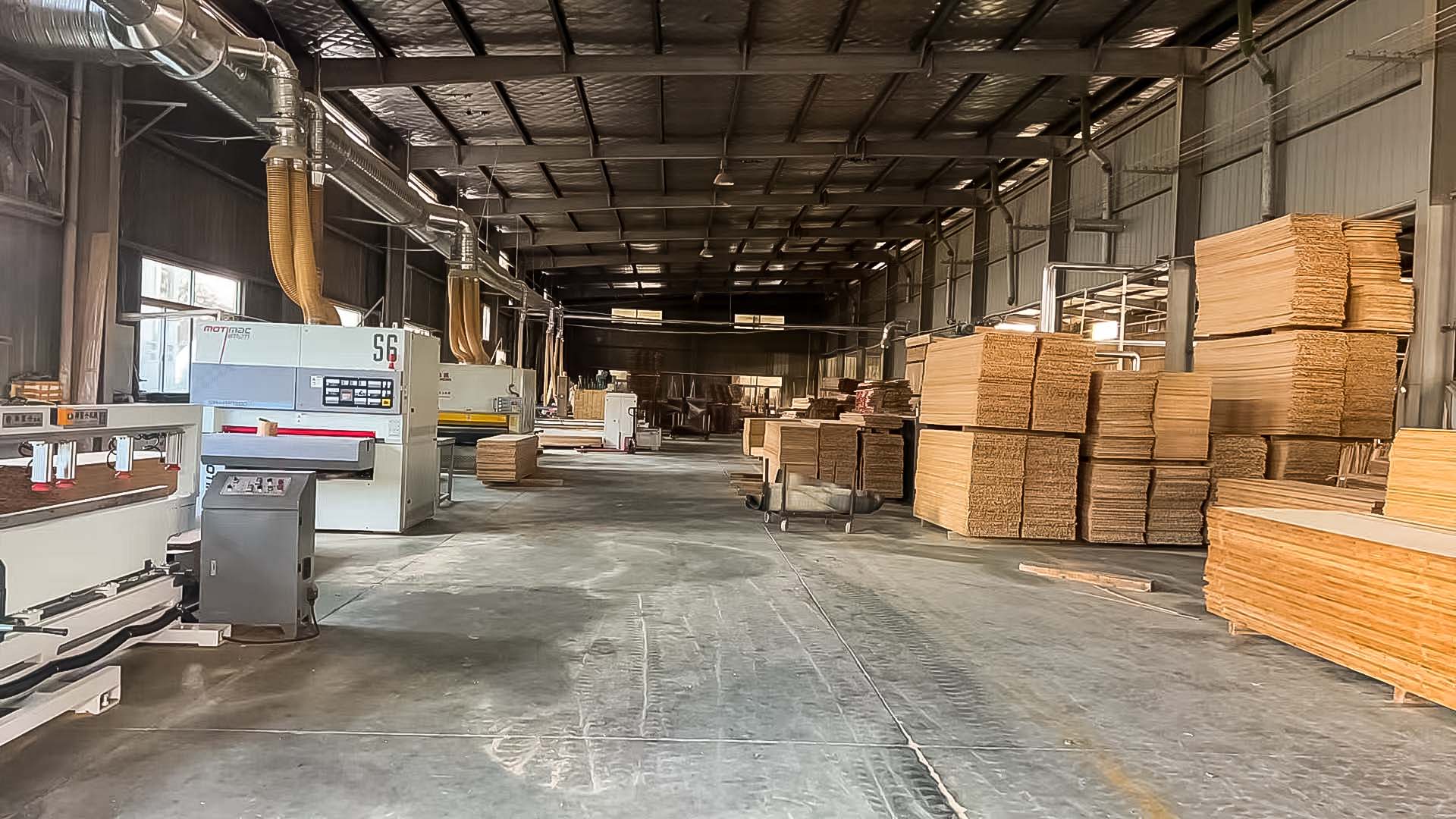
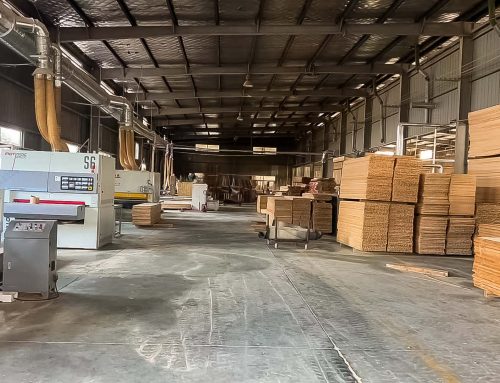
Next, look at the supplier behind the bamboo flooring. A reliable manufacturer can show factory photos, share specifications with tight tolerances, support OEM and custom sizing, and quote realistic lead times and MOQs. Consistent moisture content, color matching and packaging matter as much as the headline price, because rework and claims erase any saving.
Why source bamboo flooring from HTR Bamboo
HTR Bamboo manufactures and exports bamboo flooring worldwide, backed by FSC certification (FSC-C210923), low-emission options, and OEM/ODM flexibility for B2B wholesale buyers. The team supports buyers in Europe, Australia, the Americas and Asia with samples, documentation and dependable shipping, so you can specify bamboo flooring with confidence in 2026.
Commercial flooring: FAQ and sourcing guide
Demand for commercial flooring keeps rising as architects, importers and brands look for materials that balance performance with sustainability. Bamboo reaches maturity in three to five years, far faster than hardwood, so commercial flooring offers a renewable supply without sacrificing strength. For buyers, the practical questions are quality, compliance and consistency from order to order.
When you evaluate commercial flooring, start with certification. Ask for the FSC Chain-of-Custody number and verify it at info.fsc.org, request the latest formaldehyde test reports (E0 or E1, plus CARB/TSCA Title VI where relevant), and confirm the adhesive system. Pure all-bamboo products also sit outside the EU Deforestation Regulation, which can simplify due diligence for European importers. These checks protect you from variable quality and customs surprises.
Next, look at the supplier behind the commercial flooring. A reliable manufacturer can show factory photos, share specifications with tight tolerances, support OEM and custom sizing, and quote realistic lead times and MOQs. Consistent moisture content, color matching and packaging matter as much as the headline price, because rework and claims erase any saving.
Why source commercial flooring from HTR Bamboo
HTR Bamboo manufactures and exports commercial flooring worldwide, backed by FSC certification (FSC-C210923), low-emission options, and OEM/ODM flexibility for B2B wholesale buyers. The team supports buyers in Europe, Australia, the Americas and Asia with samples, documentation and dependable shipping, so you can specify commercial flooring with confidence in 2026.
Buyer notes A
For B2B buyers the practical priorities are quality, compliance and consistency from one order to the next. A dependable manufacturer can show factory photos, share specifications with tight tolerances, support OEM and custom sizing, and quote realistic lead times and minimum order quantities. Steady moisture content, colour matching and careful packaging matter as much as the headline price, because rework and claims quickly erase any saving on a single shipment. Confirm certification before a large order, request the FSC Chain-of-Custody number, ask for recent formaldehyde test reports, and check the adhesive system in writing. Plan logistics around your timeline, order samples first, and build a small buffer into delivery dates so a busy season never disrupts a project.
Buyer notes B
For B2B buyers the practical priorities are quality, compliance and consistency from one order to the next. A dependable manufacturer can show factory photos, share specifications with tight tolerances, support OEM and custom sizing, and quote realistic lead times and minimum order quantities. Steady moisture content, colour matching and careful packaging matter as much as the headline price, because rework and claims quickly erase any saving on a single shipment. Confirm certification before a large order, request the FSC Chain-of-Custody number, ask for recent formaldehyde test reports, and check the adhesive system in writing. Plan logistics around your timeline, order samples first, and build a small buffer into delivery dates so a busy season never disrupts a project.
Sourcing checklist
Before you commit to a large purchase order, line up a short checklist that protects your project. Verify the supplier can provide third-party test data, confirm the warranty terms in writing, and agree on inspection and acceptance criteria up front. Ask how the factory handles colour variation between production batches, how spare stock is managed for future repairs, and what the realistic reorder lead time looks like during peak season. Clarify packaging, labelling and pallet configuration so the goods arrive undamaged and clear customs without delay. A supplier that answers these questions clearly is usually the one worth a long-term relationship.
Share This Story, Choose Your Platform!
About the Author: HTR Bamboo Editorial Team

Related Posts
On this page
Need bamboo specifications?
Latest Posts
Copyright 2020 – 2030 HTR Bamboo
All Rights Reserved!

 English
  German
  Spanish
  Vietnamese