Bamboo Flooring: Unlocking Sustainable Benefits for Modern Interior Design
In the evolving realm of sustainable home improvement, bamboo flooring is a standout choice that blends eco-consciousness with versatility and performance. For architects, designers, and homeowners alike, it offers one of the most compelling eco-friendly flooring options on the market today, combining rapid renewability, impressive durability, and a sophisticated look that complements modern interior design with bamboo seamlessly.
This comprehensive deep dive illuminates the latest bamboo flooring trends, consumer preferences, and the technical credentials behind bamboo’s growth as a widely adopted sustainable flooring solution.
The Rising Tide of Bamboo Flooring: Market Dynamics and Consumer Appeal
The bamboo flooring market is experiencing robust growth driven by shifting consumer values and regulatory mandates emphasizing healthier, lower-impact building materials. Forecasts suggest continued market expansion, in part fueled by:
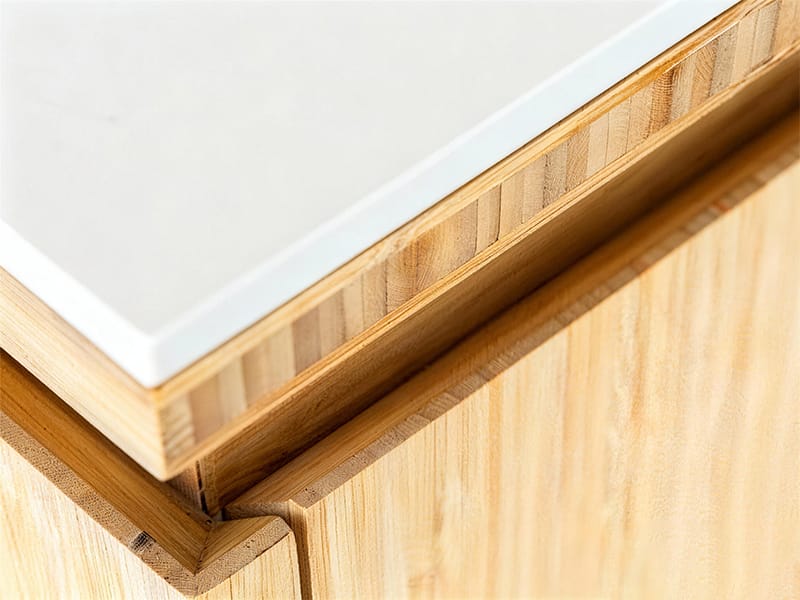
- Increasing interest in strand-woven bamboo, a high-density substrate that achieves excellent hardness and wear resistance.
- Innovations in engineered bamboo flooring, which offers improved dimensional stability and can be safely installed over radiant heat compatible flooring systems.
- Enhanced health and environmental performance through low-emission materials certified by FloorScore certification and GREENGUARD Gold.
Consumers gravitate towards bamboo’s harmonious balance of form and function—an elegant alternative to hardwood—and appreciate its innate bamboo flooring benefits, including both longevity and comfort.
Bamboo Flooring vs Hardwood: A Comparative Perspective
The debate between bamboo vs hardwood flooring has moved beyond aesthetics and into comprehensive sustainability and performance criteria:
- Sustainability: Bamboo’s harvest cycle of 3 to 5 years far outpaces hardwoods requiring decades, making it a highly renewable resource.
- Durability: Strand-woven bamboo’s Janka hardness often exceeds that of traditional hardwoods, making it resilient for high-traffic residential and commercial spaces.
- Indoor Air Quality: Bamboo floors readily meet stringent standards such as CARB Phase 2 compliant formaldehyde emissions, with many products carrying low-VOC flooring certifications.
- Value: Bamboo offers cost-effective alternatives with a favorable bamboo flooring cost profile and extended product lifespans.
That said, product quality varies widely across the market. Prioritize FSC-certified bamboo and flooring products with transparent third-party certifications such as EPDs for truly sustainable outcomes.
Design Innovations and Popular Trends in Bamboo Flooring
Designers embrace several key trends shaping bamboo flooring offerings:
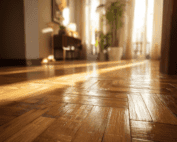
- Wide Plank Bamboo Flooring: Modern interiors favor wider strips that visually expand rooms and offer a premium aesthetic.
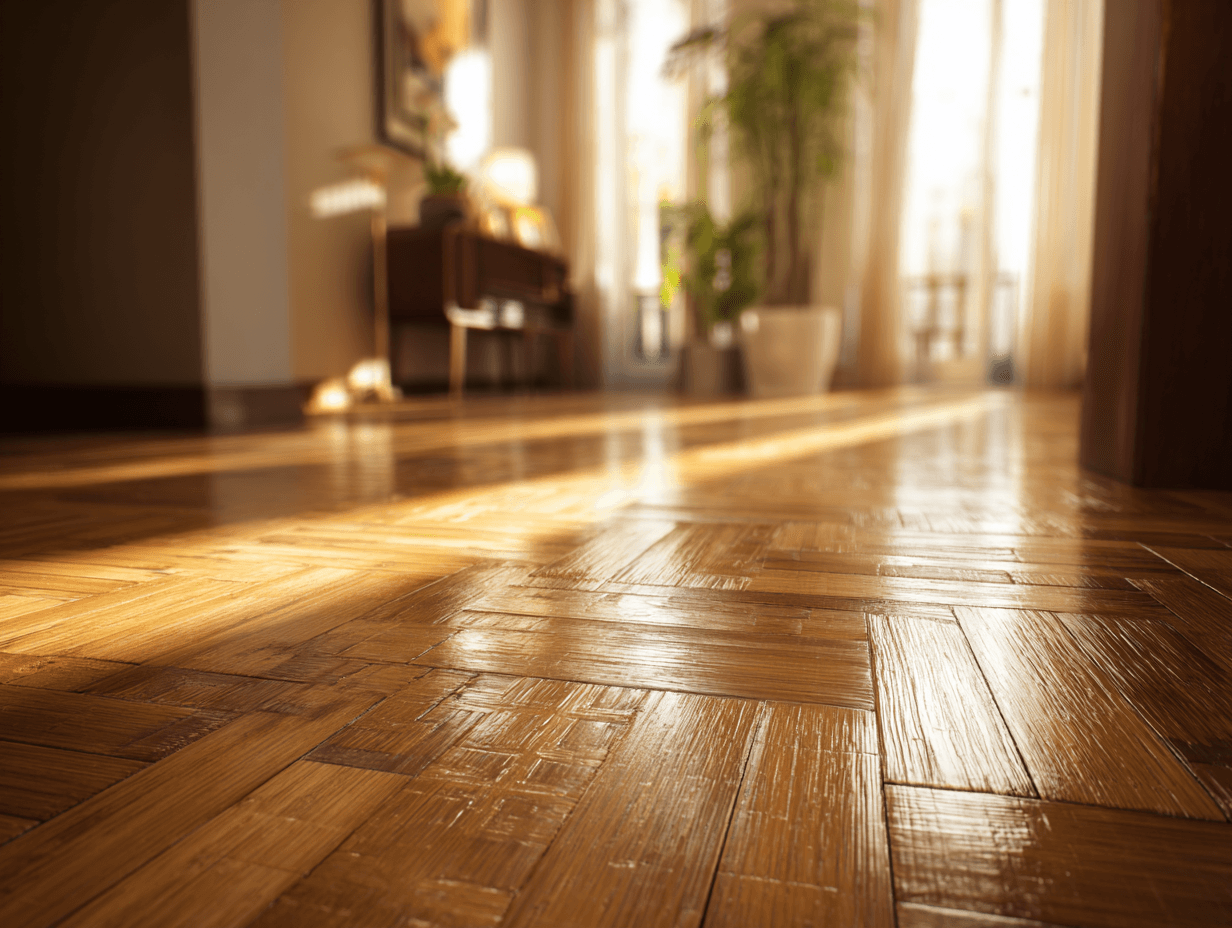
- Herringbone Bamboo Flooring: Classic, dynamic patterns are making a strong comeback, especially in upscale renovations and commercial spaces.
- Click-Lock Bamboo Flooring: Installation-friendly systems accelerate project timelines and appeal to DIY homeowners.
These innovations make bamboo flooring an optimal choice for contemporary interiors seeking to merge style, function, and ecological responsibility.
Selecting and Maintaining Bamboo Flooring
Bamboo floor installation varies by format—from floating click-lock systems ideal for quick installations to nail-down or glue-down methods suited for high-end builds. Proper acclimation to local humidity and temperature ranges is crucial to prevent unwanted movement and ensure floor longevity.
Maintenance of durable bamboo floors is straightforward, typically involving sweeping and occasional damp mopping with non-abrasive cleaners. Many bamboo flooring products can be refinished, further extending their useful life and enhancing sustainability.
Expert Insight: Bamboo Flooring as a Foundation for Healthier, Greener Homes
From a sustainability perspective, bamboo flooring embodies a nexus of renewable resource efficiency, indoor environmental quality, and aesthetic versatility. It is not merely a green alternative but a strategic material choice for architects and homeowners committed to low-impact living.
Its compatibility with low-VOC flooring standards such as FloorScore certification and Greenguard Gold is essential in meeting strict indoor air quality requirements, particularly in sensitive environments like schools, hospitals, and residences.
Conclusion
Bamboo flooring is no longer just an alternative—it is rapidly becoming a preferred flooring choice for modern sustainable homes and commercial spaces alike. Offering a blend of resilience, style, and eco-conscious credentials, it supports the growing demand for sustainable home renovation and builds upon the momentum of bamboo flooring market expansion.
By selecting high-quality, certified products and understanding the nuances of installation and care, specifiers and consumers can confidently incorporate bamboo floors to create healthier, beautiful, and environmentally responsible interiors.
Ready to make bamboo flooring part of your sustainable design journey?
Explore our curated collections of engineered bamboo flooring and strand-woven bamboo flooring, access expert specification guides, and connect with HTR Bamboo for samples and consultations.
Share This Story, Choose Your Platform!
About the Author: hao yu

Related Posts

Table of Content
- The Rising Tide of Bamboo Flooring: Market Dynamics and Consumer Appeal
- Bamboo Flooring vs Hardwood: A Comparative Perspective
- Design Innovations and Popular Trends in Bamboo Flooring
- Selecting and Maintaining Bamboo Flooring
- Expert Insight: Bamboo Flooring as a Foundation for Healthier, Greener Homes
- Conclusion
Join Our Newsletter
Latest Posts
Copyright 2020 – 2030 Well Nature Bamboo
All Rights Reserved!