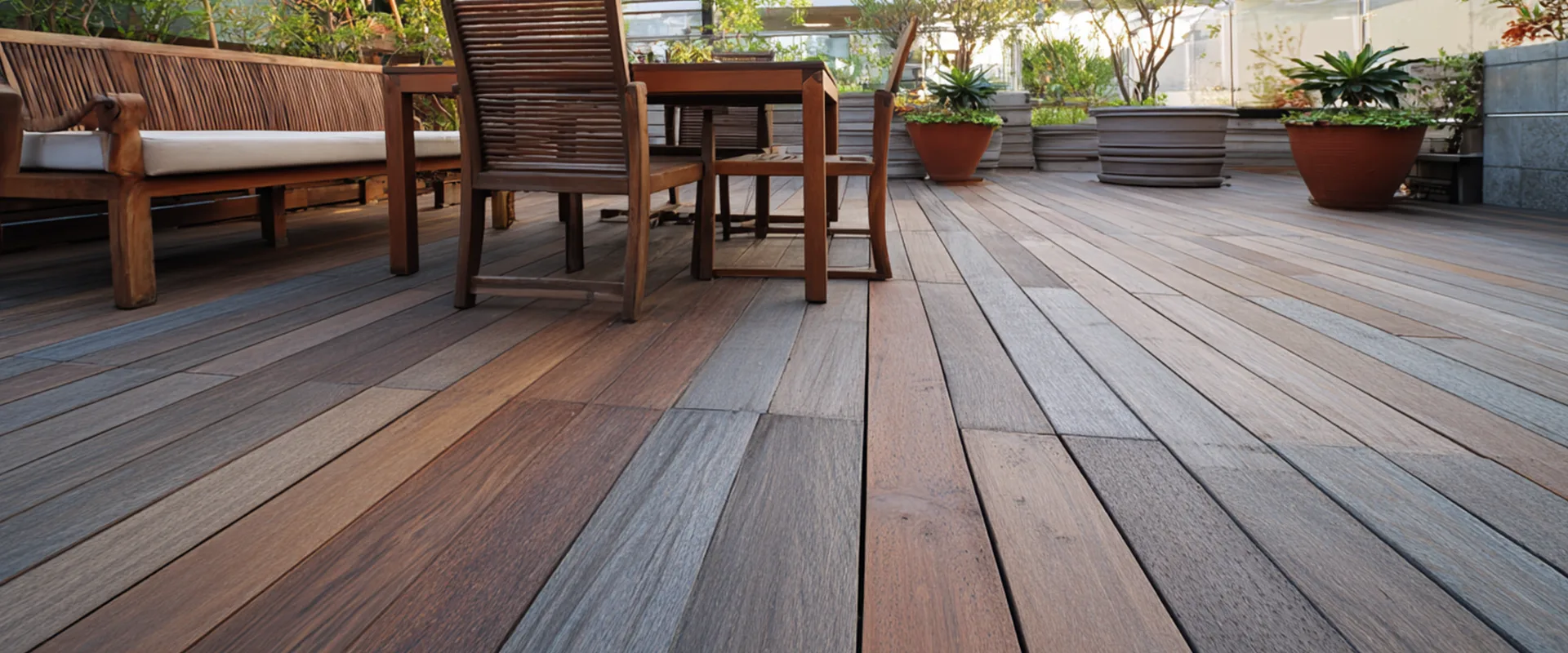
Innovative Applications and Trends in High-Density Bamboo Decking for Commercial Projects
As sustainability becomes a cornerstone in commercial architecture and design, high-density bamboo decking is increasingly recognized as an ideal material for modern outdoor environments. With growing awareness around environmental impact and durability, strand-woven bamboo decking is revolutionizing surfaces in public spaces, hospitality, retail promenades, and beyond. In this comprehensive blog, we explore the dynamics of the bamboo engineered wood market, delve into bamboo plywood panels, laminated bamboo lumber (LBL), bamboo scrimber, and highlight best practices for integrating bamboo as a premium, sustainable solution in commercial projects.
The Rise of Bamboo as a Commercial Decking Solution
Traditional decking materials such as hardwoods and tropical timber are facing pressure due to deforestation concerns, supply chain volatility, and regulatory constraints. Bamboo decking, particularly strand-woven bamboo decking, offers a robust alternative that meets the stringent needs of commercial environments.
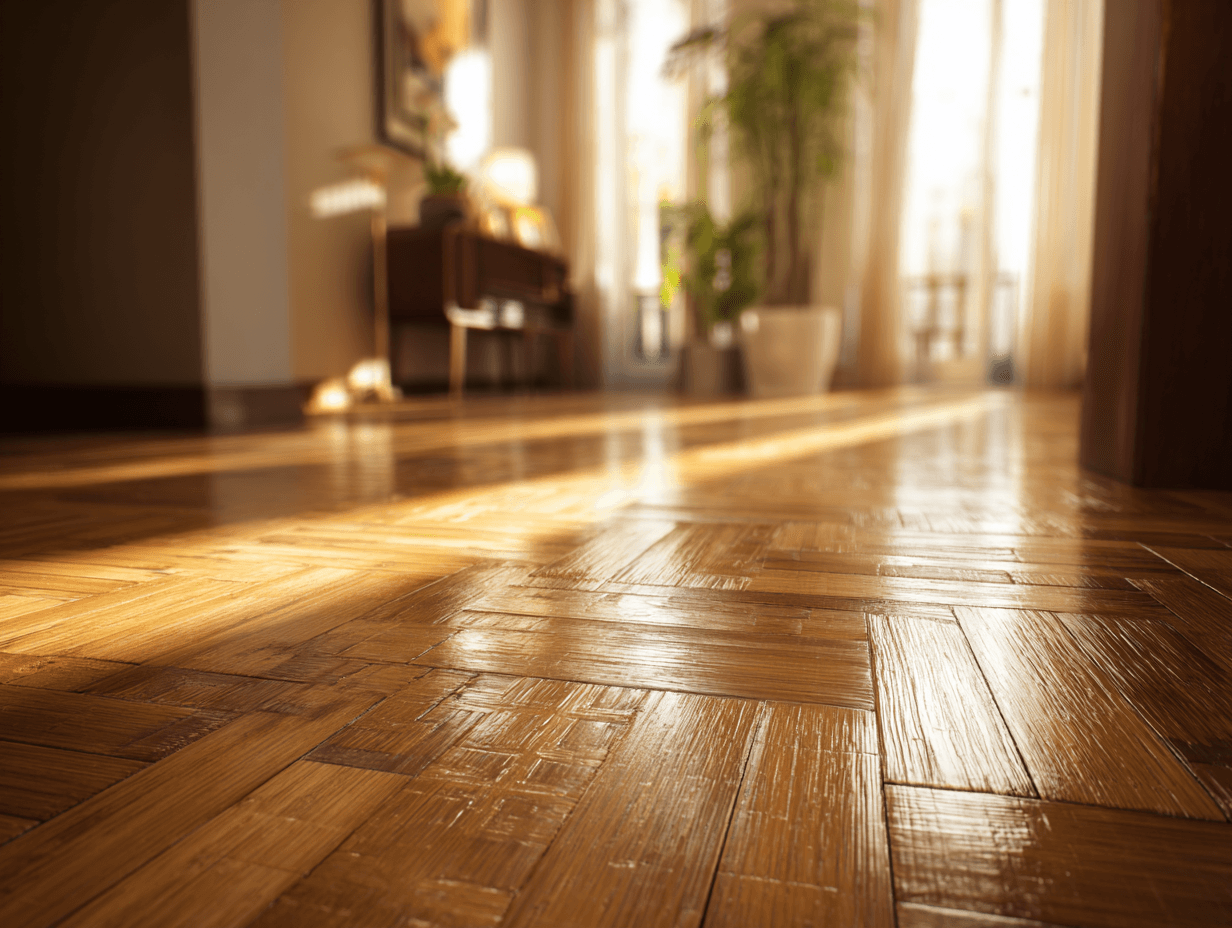
Bamboo’s rapid maturity cycle combined with high mechanical performance allows it to serve as durable decking for bamboo decking for businesses and institutional projects. It carries the aesthetic warmth of natural wood while providing consistent hardness tested against the Janka hardness scale, often exceeding that of red oak, making it an attractive choice for high-traffic environments.
Advantages of Bamboo Decking in Commercial Projects
Durability and Longevity
Commercial bamboo decking engineered through high-density compression techniques presents exceptional resistance to wear, impact, and weathering. Factory treatments enhance moisture tolerance and pest resistance, ensuring longevity where commercial use demands are high.
Safety and Compliance
Critical to commercial applications is safety — slip-resistant bamboo decking options and fire-rated bamboo decking formulations ensure compliance with building codes and occupant protection standards. This is crucial for projects such as transit hub decking, university courtyard decking, and corporate plaza decking, where safety cannot be compromised.
Design Versatility
Bamboo’s natural grain and warm tone align beautifully with biophilic design, inviting connection to nature while promoting wellbeing in built environments. Bamboo decking also complements parametric design ideals, enabling the creation of fluid and organic surfaces. The emerging use of bamboo gridshell technology and bamboo-woven facade systems pushes design boundaries even further.
Installation and Maintenance Excellence
Modern pedestal deck systems and hidden fastener decking solutions facilitate quick installation and seamless aesthetics, particularly for rooftop terraces and hospitality spaces. A regular bamboo decking maintenance program involving cleaning and oiling preserves appearance and functional integrity over time.
Expanding Market and Usage: Industry Insights
The bamboo engineered wood market analysis highlights significant growth in the use of bamboo products across the globe, especially in construction and commercial decking. Regionally, the largest bamboo supply hubs include China, Vietnam, Indonesia, and India, where advancing manufacturing capabilities enable the production of diverse bamboo materials such as laminated veneer bamboo (LVB), bamboo plywood panels, and bamboo scrimber.
With the rising adoption of green building materials, bamboo decking contributes meaningfully to sustainability targets. It supports LEED and BREEAM credits bamboo by offering low embodied carbon and verifiable environmental data such as bamboo LCA and EPD EN 15804 compliant certifications. This transparency is invaluable for commercial projects aiming to meet ambitious ESG and regulatory goals.
Case Studies: Bamboo Decking in Action
- Rooftop Terrace Decking System: A boutique hotel features bamboo decking laid on adjustable pedestal supports, enabling lightweight installation over waterproof membranes. The system’s durability and aesthetic seamlessly extend indoor hospitality to inviting outdoor leisure spaces.
- Hospitality Decking Solutions: Strand-woven bamboo’s resilience suits outdoor restaurant decks and poolside lounging areas where slip resistance and wear tolerance are essential.
- Retail Promenade Decking: High-density bamboo boards in pedestrian zones create visually cohesive and tactilely warm surfaces, enhancing shopper experience while supporting sustainable operations.
- Transit Hub Decking: Integrating bamboo decking with removable access panels enables ease of maintenance without downtime, critical to busy urban transport environments.
Technical Specifications and Best Practices
For architects and specifiers, understanding bamboo plywood panels and engineered bamboo decking specifications is fundamental:
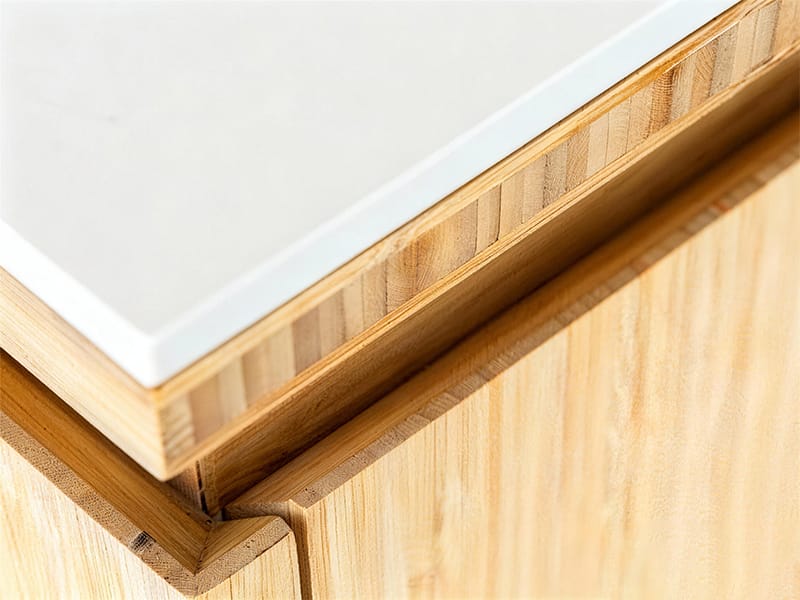
- Material Types: From strand woven bamboo flooring to laminated bamboo lumber (LBL) and scrimber, the choice depends on strength, finish, and environmental exposure.
- Emissions Standards: Bamboo decking products meeting E0, E1, and CARB Phase 2 TSCA Title VI are preferred to ensure low VOC emissions and indoor air quality compliance.
- Durability Metrics: Products boasting superior Janka hardness ratings provide certified wear resistance suitable for commercial settings.
- Installation Systems: Employing pedestal-based supports and hidden fasteners protects decking integrity and allows for sustainable disassembly, supporting circularity in design.
- Maintenance Regimes: Routine cleaning and recoating preserve slip resistance, finish quality, and overall lifespan.
Subjective Commentary: Why Bamboo is the Future of Commercial Decking
From a sustainability professional’s perspective, strand-woven bamboo decking exemplifies how nature-inspired innovation can address some of the most pressing construction challenges today. Its low embodied carbon materials credentials combined with superior mechanical performance make bamboo an unparalleled building block in commercial architecture.
The aesthetic fusion with biophilic design decking principles further contributes to spaces that promote human health and ecological harmony — a balancing act rarely achieved by conventional materials.
Nevertheless, market players must carefully verify bamboo plywood specifications and certification pathways to guard against inconsistent quality or greenwashing.
Conclusion
The future of commercial decking clearly aligns with bamboo innovation. As the bamboo engineered wood market expands, propelled by stringent environmental standards and dynamic bamboo industry innovations, bamboo decking emerges as a sustainable, high-performance, and visually compelling material choice.
Developers, designers, and procurement professionals seeking sustainable decking for commercial projects should consider the advantages of bamboo—ranging from resilient fire-rated bamboo decking to sophisticated bamboo gridshell structures and parametric weaving designs.
With thorough supplier qualification, adherence to standards, and proper bamboo decking maintenance, bamboo decking offers a long-lasting, green, and innovative solution that adds substantial value to modern commercial projects.
Share This Story, Choose Your Platform!
About the Author: hao yu

Related Posts

Table of Content
Join Our Newsletter
Latest Posts
Copyright 2020 – 2030 Well Nature Bamboo
All Rights Reserved!