The Art and Science Behind Bamboo Bedding: Health Benefits and Sustainable Comfort
In the evolving landscape of sustainable fashion and eco-friendly fabrics, bamboo textiles have carved a niche by offering a sophisticated blend of comfort, performance, and environmental responsibility. The surge in consumer demand for healthy, sustainable sleep solutions has propelled bamboo bedding into the spotlight — valued not only for its luxurious smoothness but also for its remarkable health benefits of bamboo bedding. This article dives deep into why hypoallergenic bamboo sheets, moisture-wicking bamboo sheets, and bamboo pillows moisture wicking properties are rewriting the rules on modern bedding.
Bamboo Bedding in the Context of Sustainable Fashion and Home Textiles
The bamboo clothing industry has expanded beyond apparel into the realm of home textiles, where bamboo fibers create soft, breathable, and eco-conscious bedding products. As part of the broader sustainable fashion market, bamboo bedding exemplifies how nature’s regenerative properties and closed-loop processing techniques can yield high-performance, low-impact materials.
Among the most popular fabric variants are bamboo lyocell vs viscose fabrics. While traditional viscose bamboo offers softness, it involves chemically intensive processing, whereas lyocell, produced in a closed-loop system, provides a superior sustainability profile and durability—making it ideal for sensitive sleepers and wellness-focused hotel hospitality.
Health-Forward Advantages of Bamboo Bedding
Hypoallergenic and Allergy-Friendly
One of the standout features of bamboo bedding is its bamboo bedding for allergies capability. The naturally smooth fibers create hypoallergenic bamboo sheets that reduce irritation for sensitive skin. Coupled with a tight weave and dust mite resistant bedding properties, bamboo fabrics help maintain a cleaner, healthier sleep environment—critical for allergy sufferers and those with delicate skin.
Moisture-Wicking and Thermoregulation
Thanks to bamboo’s intrinsic moisture absorption and release characteristics, moisture wicking bamboo sheets and thermoregulating bedding help maintain a balanced microclimate during sleep. Bamboo bedding stays cool and dry, resistant to night sweats and humidity, which enhances comfort and reduces allergen proliferation.
Certified for Peace of Mind
Health-conscious buyers should seek OEKO-TEX bamboo sheets certified for absence of harmful substances, as well as products meeting E0 E1 CARB Phase 2 and TSCA Title VI standards that ensure low VOC emissions and superior indoor air quality. These certifications provide confidence that bamboo bedding is safe for sensitive users and meets rigorous environmental standards.
Design Variations: Bamboo Sateen vs Percale and Beyond
Bamboo bedding comes in different weave types to suit style and function:
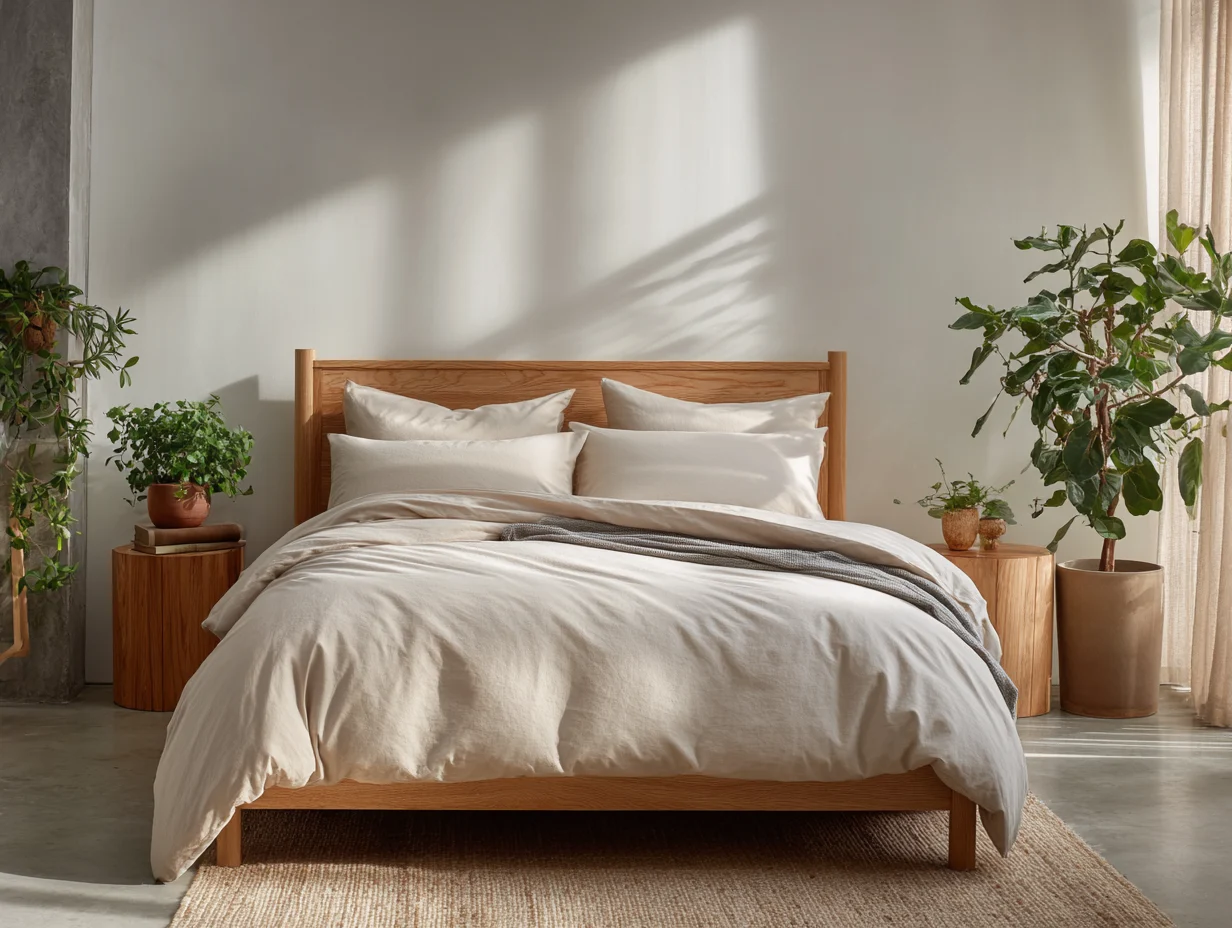
- Bamboo sateen weaves deliver a buttery smooth, lustrous finish with excellent drape and warmth, perfect for cozy bedrooms.
- Bamboo percale offers a crisp and breathable alternative, ideal for those who prefer a cooler, lighter feel.
Understanding this distinction helps consumers and specifiers align their choices with comfort preferences and climate considerations.
Hospitality Bamboo Bedding: Setting a Higher Standard
The hospitality industry increasingly embraces hospitality bamboo bedding as a sustainable solution aligned with ecological certifications and enhanced guest experience. Bamboo linens provide durability to withstand commercial laundering and soft comfort, while their moisture-managing properties promote restful sleep. The integration of bamboo into hospitality operations reflects a wider shift toward sustainable materials that deliver measurable wellness benefits.
Subjective Expert Perspective: Why Bamboo Bedding Commands Attention
As a sustainability professional, I view bamboo bedding as a pivotal example of how material innovation can transform everyday life. It merges sustainable bamboo cultivation and advanced fiber technology to meet demanding criteria of comfort, durability, and environmental stewardship.
Moreover, the growing transparency around bamboo supply chains backed by certifications like FSC and OEKO-TEX reinforces bamboo’s position as a premium, verified low-impact choice—bridging the gap between conscious consumers and industry producers.
However, there remains a need to educate buyers on differentiating between bamboo fabrics and their processing methods, especially between viscose and lyocell, to ensure genuine sustainability benefits and avoid greenwashing pitfalls.
Maintenance and Care for Bamboo Bedding
To maximize the life and health benefits of bamboo bedding:
- Use gentle, cold to warm water cycles with mild detergents.
- Avoid fabric softeners and high-heat drying to preserve fiber integrity.
- Regular washing reduces allergens and dust mites, essential for those relying on bamboo bedding for sensitive skin.
Proper care ensures bamboo bedding continues to perform as a next-generation, sustainable luxury.
Conclusion: Bamboo Bedding as a Cornerstone of Sustainable, Healthy Living
The ascent of bamboo textiles in both consumer and hospitality markets underscores a paradigm shift toward materials that harmonize sustainability, design, and health. With its natural advantages—carbon sequestration during cultivation, hypoallergenic softness, moisture management, and verifiable certifications—bamboo bedding is not just an alternative; it is fast becoming a preferred standard in sustainable interior decor.
For designers, architects, and hospitality brands aiming to combine style with responsibility, bamboo bedding represents a compelling material choice that supports wellness, ESG compliance, and a greener world.
Share This Story, Choose Your Platform!
About the Author: hao yu

Related Posts


Table of Content
Join Our Newsletter
Latest Posts
Copyright 2020 – 2030 Well Nature Bamboo
All Rights Reserved!