The Rise of Bamboo Flooring: Trends and Consumer Preferences Shaping the Future of Sustainable Living
Bamboo flooring has rapidly emerged from a niche eco-friendly option to a mainstream choice across residential and commercial spaces. As more consumers and specifiers prioritize sustainable flooring solutions, the bamboo flooring market is experiencing significant growth, fueled by evolving bamboo flooring trends, improved technologies, and increased awareness around health and environmental impacts.
In this detailed analysis, we explore consumer preferences, key product innovations such as strand woven bamboo and engineered bamboo flooring, and compliance drivers including CARB Phase 2 compliance and TSCA Title VI. We also highlight design-led formats like wide plank bamboo flooring, herringbone bamboo flooring, and click-lock bamboo flooring that are reshaping interiors today.
Bamboo Flooring Market Dynamics: A Snapshot
The bamboo flooring market is projected to expand steadily, driven by global growth in sustainable building materials and green procurement policies. Homeowners, businesses, and developers increasingly seek flooring options that combine:
- Durability: Bamboo’s natural density, especially in strand woven bamboo flooring, offers exceptional resistance to dents, scratches, and wear—ideal for commercial and high-traffic residential areas.
- Sustainability credentials: Bamboo matures in just 3-5 years, making it a rapidly renewable resource with inherently low embodied carbon. Modern engineered formats lock carbon into long-lasting products, verified through bamboo LCA and EPD standards.
- Indoor air quality benefits: Compliance with low VOC flooring certifications such as FloorScore and GREENGUARD ensures safe, healthy indoor environments, critical for commercial spaces and family homes alike.
- Ease of installation: Innovative click-lock bamboo flooring systems simplify fitting, reduce installation time and costs, appealing to both professionals and DIY enthusiasts.
Consumer Preferences Driving Bamboo Flooring Innovation
Understanding buyer expectations is essential for product manufacturers and retailers. Today’s consumers value:
Performance & Functionality
Resistance to damage is a prime concern. Strand woven bamboo flooring delivers Janka hardness levels that surpass many traditional hardwood species, offering superior durability and longevity. Additionally, increased availability of water-resistant bamboo flooring extends use into moisture-prone areas like kitchens and bathrooms.
Design Variety and Aesthetics
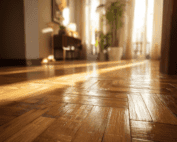
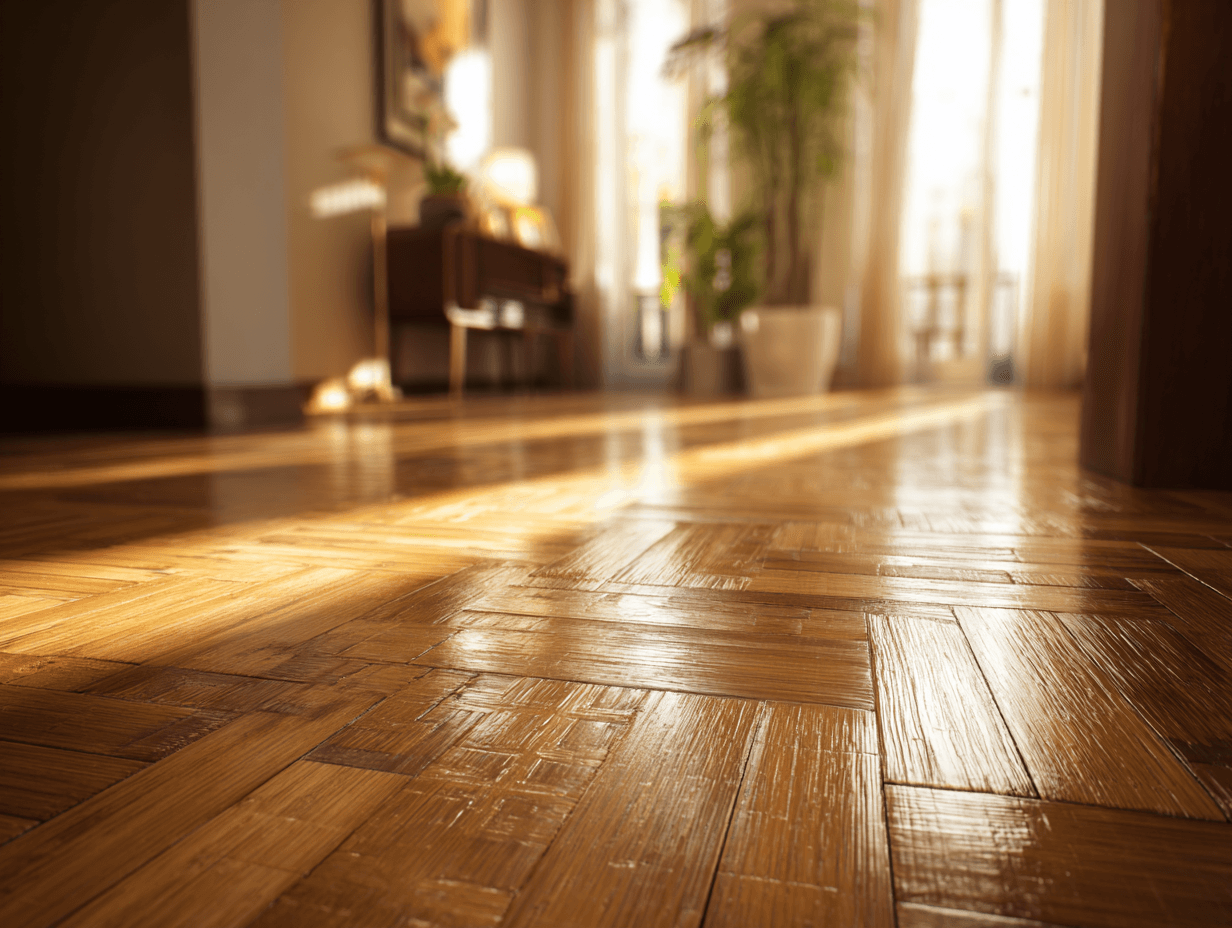
The revival of classic patterns like herringbone bamboo flooring demonstrates the blend of modern style and timeless appeal in bamboo products. Expanded plank widths, longer lengths, and various finishes—from natural blonde to caramelized tones—offer choices that align with popular trends such as Scandinavian and Japandi interiors.
Environmental and Health Priorities
Buyers are actively seeking sustainable flooring options that align with their environmental values. This drive heavily favors bamboo products verified by certifications like E0/E1 emissions standard and CARB Phase 2 TSCA Title VI compliance. Transparency through documentation reassures consumers about the materials’ biogenic carbon benefits and indoor air quality.
Innovations in Engineered Bamboo Flooring
The evolution of engineered bamboo flooring technology has been pivotal for market expansion:
- Strand woven bamboo is created by compressing bamboo fibers, enhancing density and hardness, ideal for both residential and bamboo decking commercial applications.
- Laminated bamboo lumber (LBL) and bamboo scrimber techniques yield dimensionally stable, visually consistent planks that resist warping and cupping, even in dynamic climates.
- Flooring products now reliably meet specifications for indoor air quality, slip resistance, and moisture tolerance, broadening their use across commercial and residential sectors.
Design Trends in Bamboo Flooring
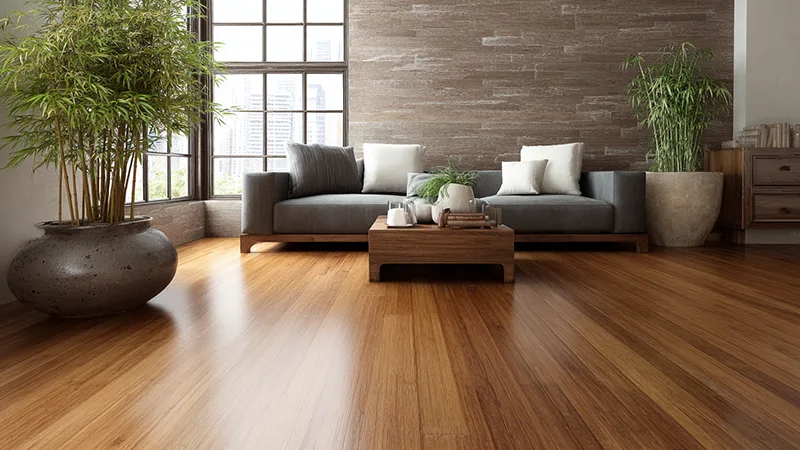
Modern interiors increasingly incorporate bamboo flooring to achieve a biophilic design ethos by connecting occupants to nature through warm tones and natural textures. Floor layouts integrate patterns like herringbone and wide planks, which visually enlarge space and add dynamic rhythm to interior design.
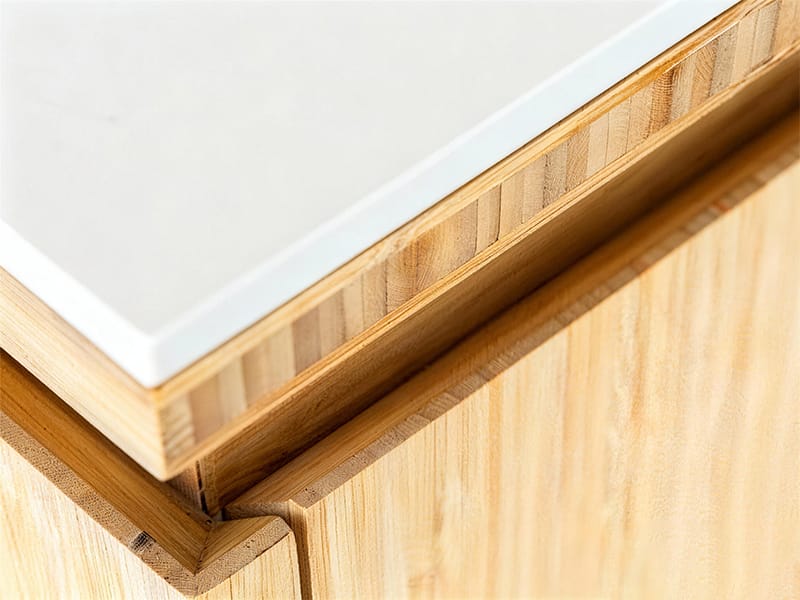
These bamboo floors are often specified alongside bamboo panels and veneers, creating cohesive design narratives for feature walls, cabinetry, and custom bamboo casework.
Compliance and Certification: Ensuring Quality and Trust
To meet rising regulatory and consumer demands, bamboo flooring manufacturers prioritize compliance with:
- FloorScore certification and GREENGUARD flooring standards for low VOC emissions.
- Formaldehyde emissions standards such as CARB Phase 2 and TSCA Title VI to comply with health and safety requirements, especially for engineered products with adhesives.
- Environmental Product Declarations (EPD) aligned with international standards validate the low embodied carbon footprint of bamboo floors, supporting green building certification pathways like LEED and BREEAM credits bamboo.
Subjective Perspective: Why Bamboo Flooring Represents the Future
From my professional viewpoint, bamboo flooring embodies the future of sustainable, high-performance flooring solutions. It bridges the gap between sustainable materials and functional design excellence. The impressive durability of strand woven bamboo, combined with engineered stability and eco-friendly manufacturing, paves the way for widespread adoption in both commercial and residential markets.
However, the true value of bamboo flooring lies not just in its renewable nature but in industry-wide commitment to transparency, careful sourcing, and innovation in low-VOC finishes that assure customers a safe and lasting investment.
Practical Advice for Specifiers and Buyers
- Opt for engineered bamboo with third-party certifications and proven environmental impact data.
- Favor products featuring click-lock bamboo flooring systems for ease of installation and maintenance.
- Choose wider plank and patterned options like herringbone bamboo flooring to meet current design trends.
- Verify moisture and slip resistance performance, especially for use in kitchens, bathrooms, or commercial settings.
- Incorporate bamboo flooring within broader interior schemes embracing biophilic design for well-being benefits.
Conclusion: Bamboo Flooring’s Path to Mainstream Success
The bamboo flooring market is poised for continued growth driven by consumer demand for durable, health-conscious, and sustainable interiors. Leveraging advances in engineered bamboo flooring, expanding certification frameworks, and evolving aesthetics, bamboo is transforming from an alternative material to a preferred flooring choice.
Its combination of low VOC flooring, outstanding performance, and versatile design options make bamboo flooring uniquely suited for the future of green building and modern interiors.
Share This Story, Choose Your Platform!
About the Author: hao yu

Related Posts

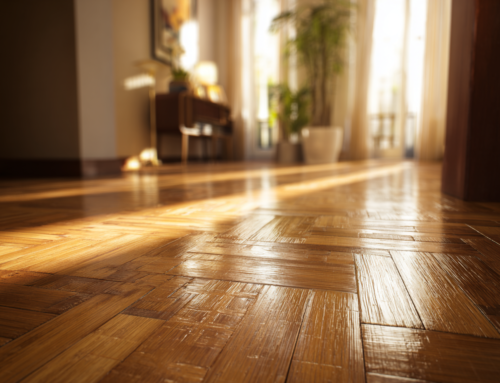
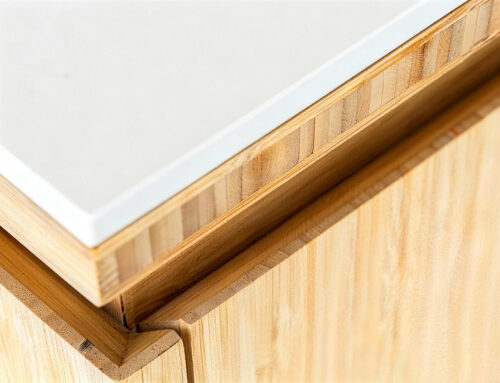
Table of Content
Join Our Newsletter
Latest Posts
Copyright 2020 – 2030 Well Nature Bamboo
All Rights Reserved!