The Sustainable Benefits of Bamboo Flooring in Modern Interior Design
As sustainability continues to reshape the architectural and design landscape, bamboo flooring has established itself as a leading eco-friendly flooring option. Combining both aesthetic versatility and high durability, bamboo offers compelling advantages over traditional materials, including hardwood. This blog explores current bamboo flooring trends, consumer preferences, and the technical and environmental benefits that make bamboo a go-to choice in modern interior design with bamboo.
Why Bamboo Flooring Is Leading the Way in Sustainable Flooring
Rapid Renewability and Low Embodied Carbon
One of the greatest attributes of bamboo flooring is its rapid renewability. Unlike hardwood trees which can take decades to mature, bamboo grows to harvest maturity in just 3-5 years. This fast cycle enables a sustainable supply that supports circular economy principles and significantly reduces the embodied carbon footprint of flooring products.
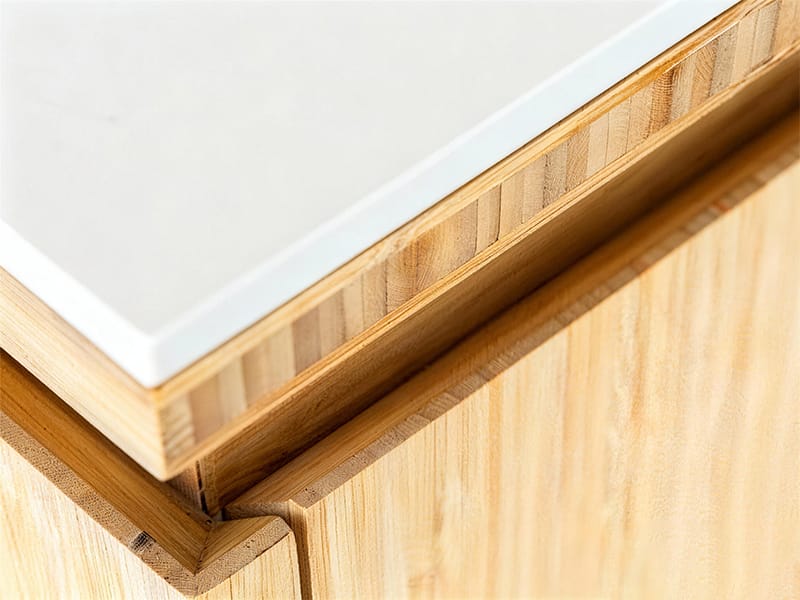
High-quality engineered bamboo flooring and strand-woven bamboo flooring especially exemplify how this renewable resource can be transformed into strong, low-impact building materials suitable for both residential and commercial environments.
Durability That Competes with Hardwood
Performance is paramount in flooring selection, and bamboo does not disappoint. Strand-woven bamboo floors, for instance, boast Janka hardness ratings around 3,000 lbf—more than double traditional hardwoods such as red oak. This exceptional bamboo flooring durability elevates it as an excellent solution for high-traffic areas, including commercial settings.
Furthermore, many bamboo flooring products incorporate cross-laminated cores that enhance dimensional stability, helping them resist warping and shrinkage under different environmental conditions.
Meeting Modern Standards for Indoor Air Quality and Safety
Today’s designers and consumers demand low-VOC flooring materials to promote healthier indoor environments. Bamboo flooring options certified by third parties such as FloorScore certified flooring and GREENGUARD Gold flooring programs demonstrate compliance with low emissions requirements, assuring buyers of healthier air quality.
Additionally, responsible manufacturers ensure products meet CARB Phase 2 compliance and TSCA Title VI regulations governing formaldehyde emissions—critical benchmarks for materials used indoors, particularly in sensitive environments like schools, offices, and healthcare facilities.
Design Innovations and Popular Styles in Bamboo Flooring
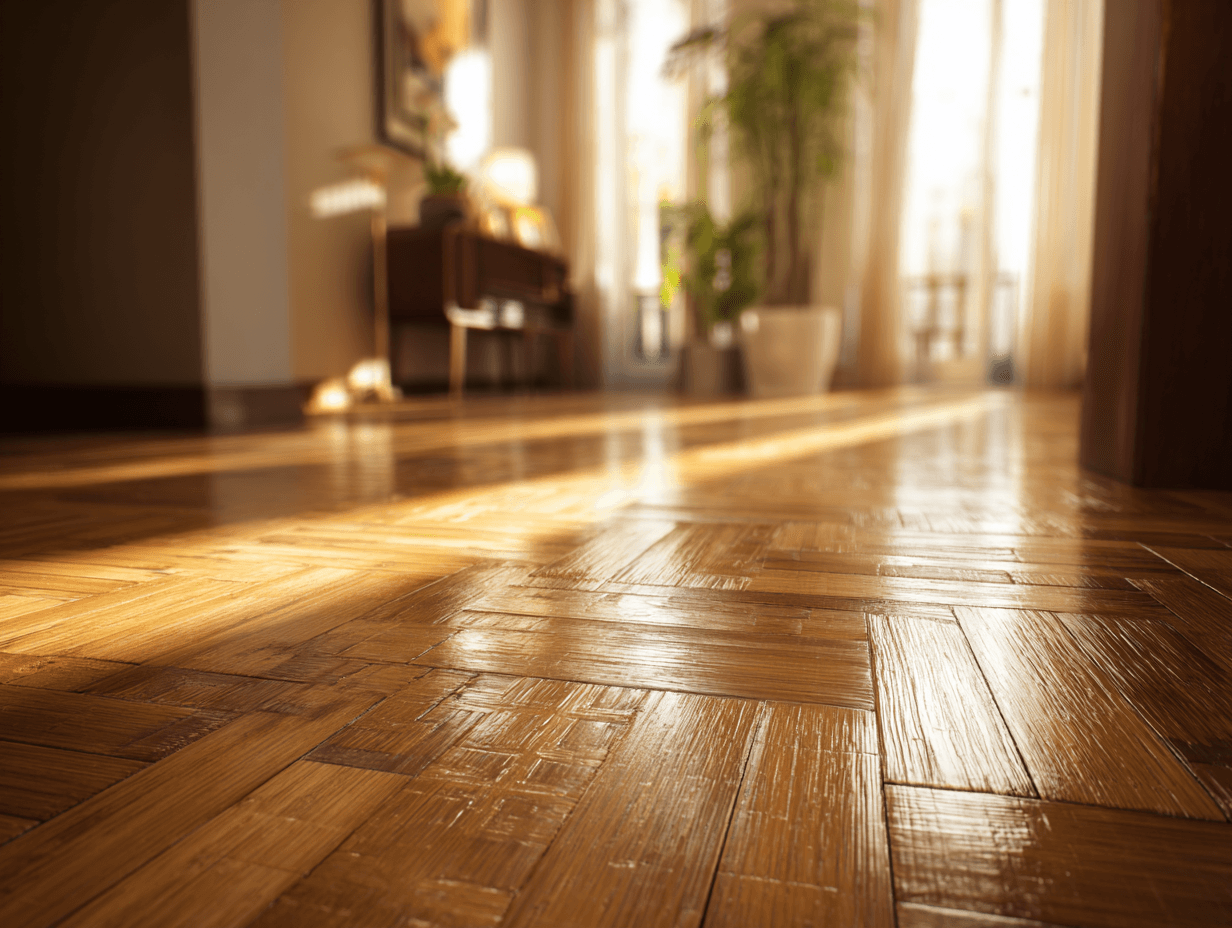
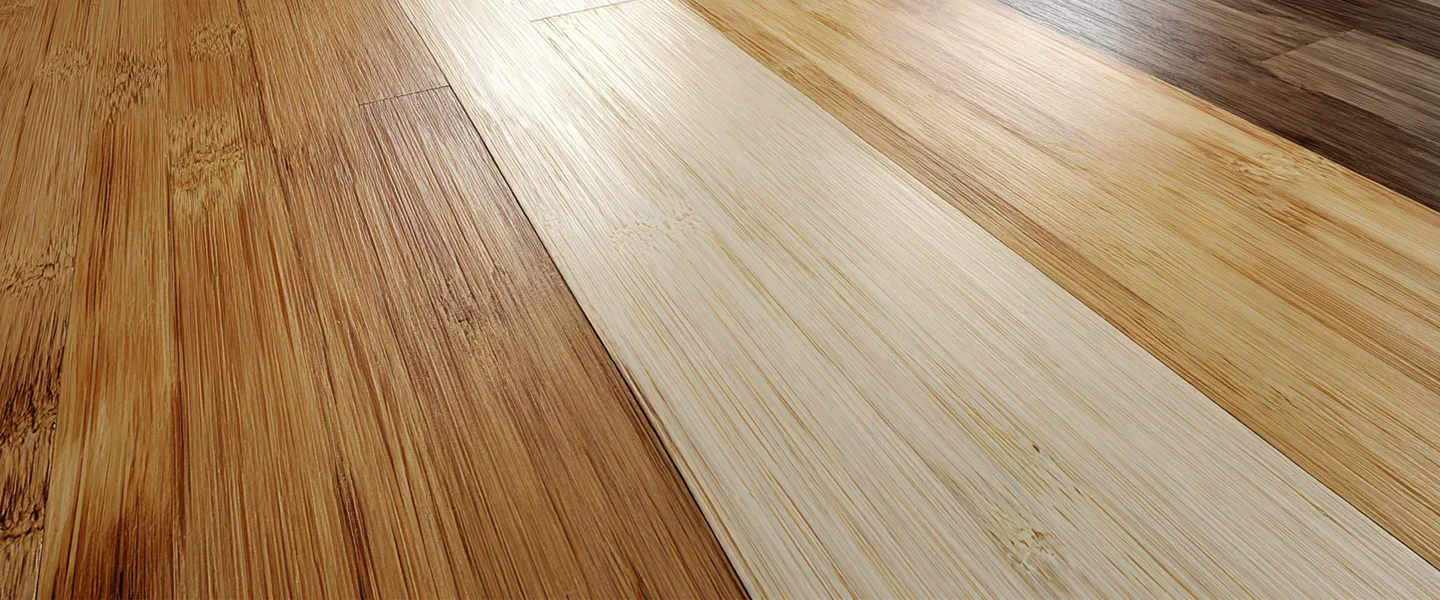
Modern bamboo flooring is no longer limited to narrow traditional planks. The market has embraced wide plank bamboo flooring and dynamic patterns like herringbone bamboo flooring, which lend sophistication and spatial depth to interiors.
Innovative installation systems like click-lock bamboo flooring allow for faster, cleaner installs, appealing to both professionals and DIYers. These advancements make bamboo a versatile choice that complements nearly any interior style, from minimalist Scandinavian to warm biophilic designs that emphasize connection with nature.
Bamboo Flooring in Green Building and Biophilic Design
Bamboo flooring is aligned perfectly with biophilic design principles, which prioritize natural elements to enhance wellbeing and productivity. By incorporating tactile, warm bamboo surfaces, designers can create interiors that nurture occupant health—a benefit increasingly recognized in both commercial and residential architecture.
Moreover, the relatively low carbon footprint of bamboo flooring makes it a preferred sustainable flooring option within green building materials selections, contributing to LEED and other sustainable certification credits.
Practical Considerations: Bamboo Flooring Maintenance and Compatibility
Durability alone isn’t enough—maintenance and functional compatibility matter. Many bamboo floors offer easy cleanability and benefit from water-resistant treatments, making them suitable for kitchens, bathrooms, and even radiant heat compatible flooring systems.
Proper care with gentle cleaning products extends the life of bamboo floors, while refinishing options restore their natural beauty over time, maximizing total cost of ownership.
Bamboo vs Hardwood: An Honest Comparison
While hardwood has been the default premium floor material for centuries, bamboo offers distinct advantages:
- Growth speed: Bamboo renews far faster, reducing environmental strain.
- Strength: Engineered and strand-woven bamboo often exceed hardwood hardness.
- Sustainability: Bamboo’s lower embodied carbon and renewability fit modern eco-priorities.
- Aesthetics: Bamboo offers unique natural grain textures and diverse finishes beyond wood’s palette.
- Costs: Competitive pricing with often better total lifecycle value.
For many specifiers, this makes bamboo not just an alternative—but a preferred choice for sustainable, stylish floors.
Final Thoughts
As the bamboo flooring market grows, consumers and professionals alike increasingly recognize sustainable bamboo flooring benefits that blend performance, health, and design. From strand-woven bamboo flooring’s durability to engineered formats that meet indoor air quality flooring standards, bamboo equips designers with an environmentally and socially responsible tool to shape the spaces of tomorrow.
For projects demanding beauty, sustainability, and longevity, bamboo flooring stands out as one of the most compelling, future-forward choices.
Share This Story, Choose Your Platform!
About the Author: hao yu

Related Posts

Table of Content
Join Our Newsletter
Latest Posts
Copyright 2020 – 2030 Well Nature Bamboo
All Rights Reserved!