
Share to unlock a discount on your first order!
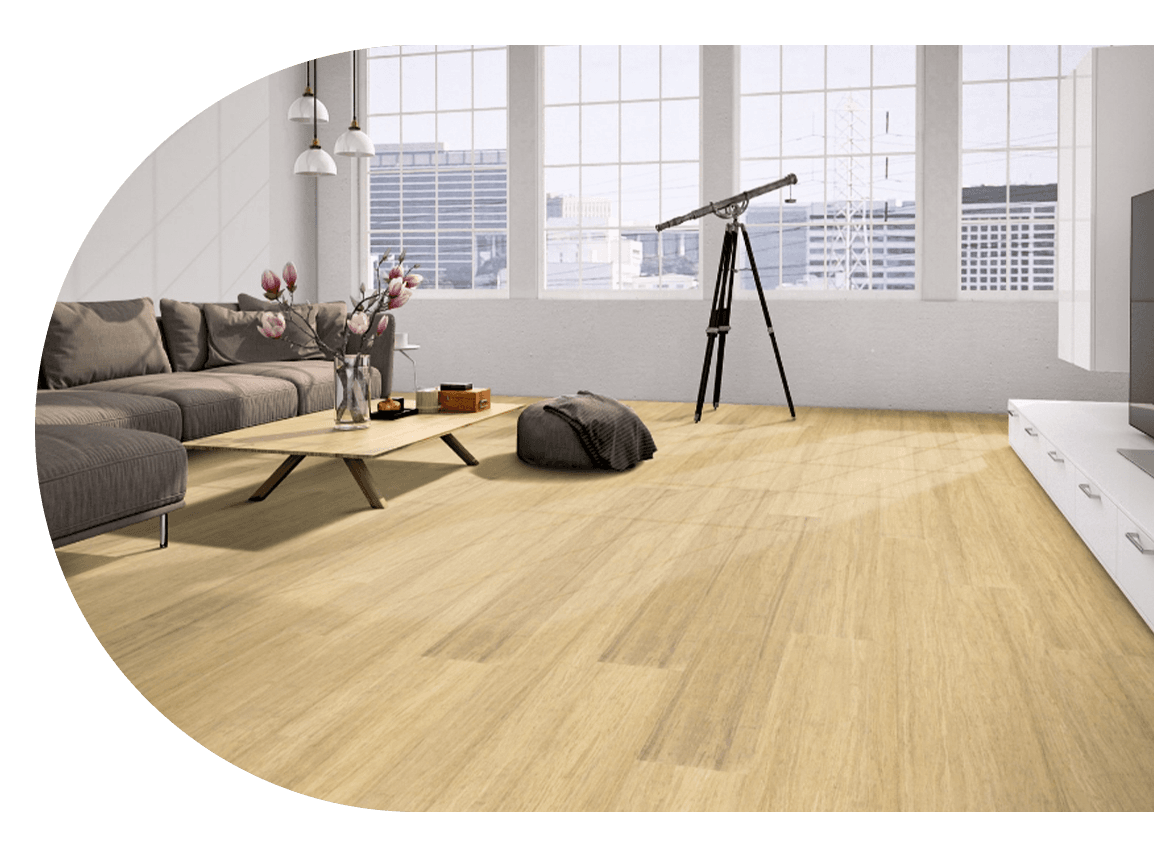


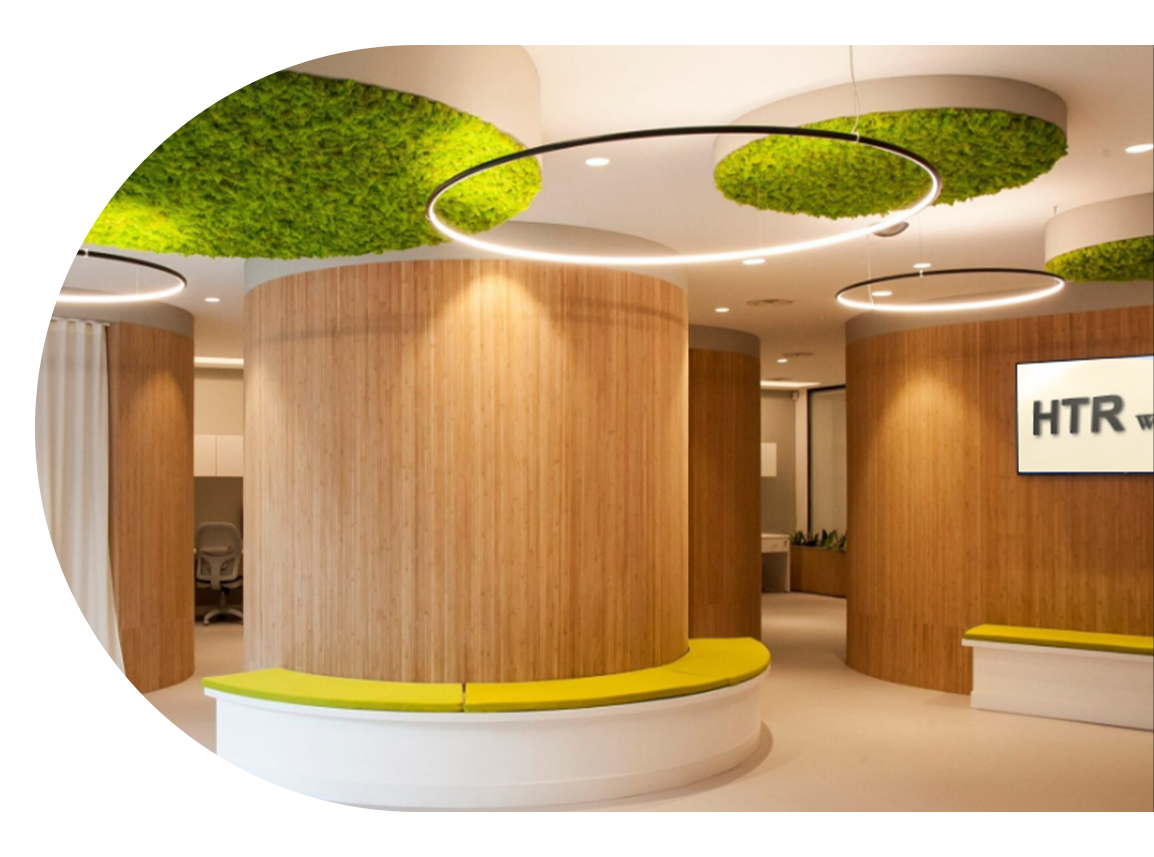
Bamboo Veneer Datasheets:
| Regular Thicknesses: | 0.25-0.8mm |
| Popular Dimensions: | 2500mm (L) x 430mm (W),2000mm (L) x 430mm (W) ,2500mm (L) x 630mm (W),2000mm (L) x 630mm (W)2500mm (L) x 860mm (W),2000mm (L) x 860mm (W), |
| Moisture content: | 8-10% |
| Density: | 700kg/m3 |
| Patterns: | Natural Horizontal, Natural Vertical, Carbonized Horizontal, Carbonized Vertical, Strand woven |
| Materials at the back: | Fleece, Paper, and None |
| Adhesive and emissions requirements: | Confirmed by product configuration and order |
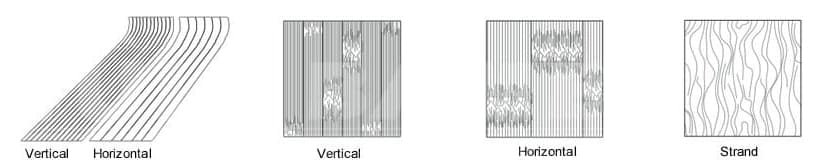
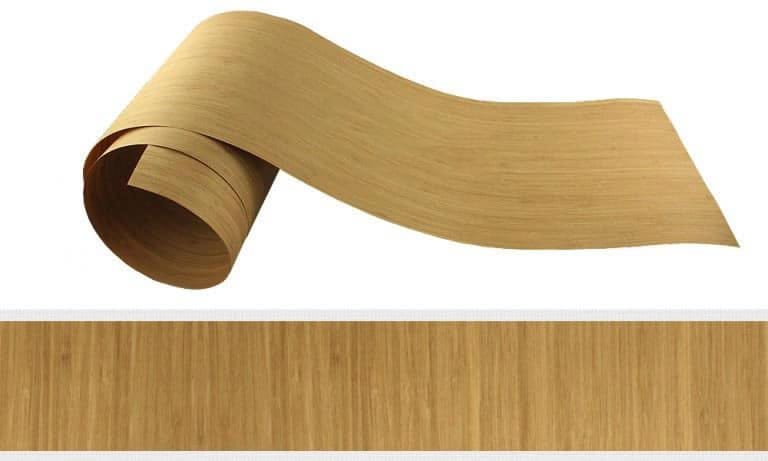
Bamboo Veneer Carbonized Vertical
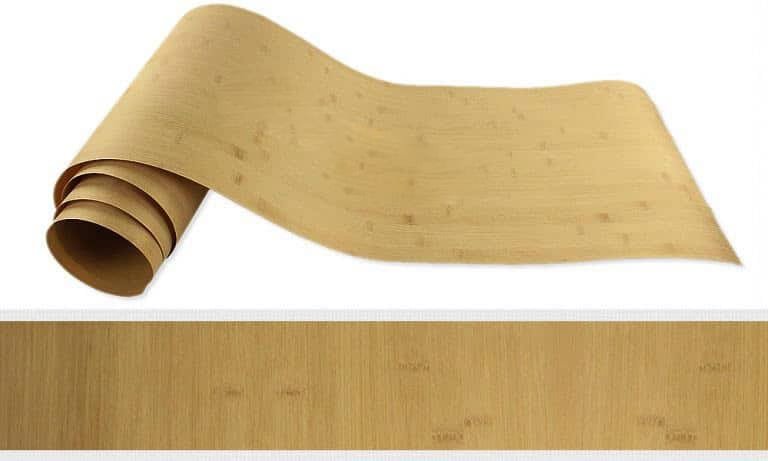
Bamboo Veneer Carbonized Horizontal
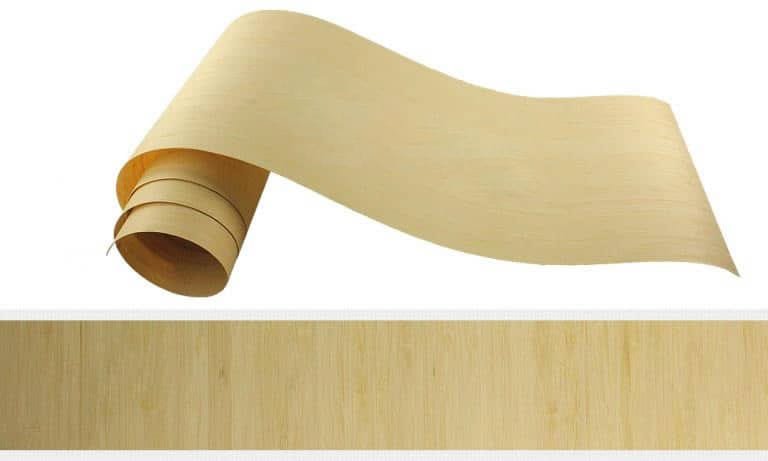
Bamboo Veneer Natural Vertical
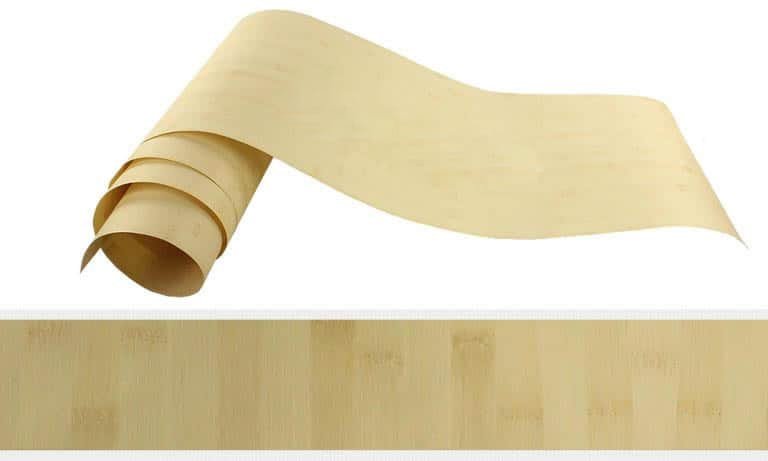
Bamboo Veneer Natural Horizontal
Specify bamboo veneer for a repeatable lamination trial
Bamboo veneer is quoted as a complete face-material specification, not by colour alone. For furniture, cabinet doors, wall panels and other interior components, the useful starting point is the visible pattern, grain direction, thickness, backing, finished size, substrate and intended process. HTR reviews those fields before confirming a representative sample or production quotation.
Reference veneer choices
| Face and direction | Natural or carbonized; horizontal or vertical where applicable. Zebra and strand references are also available for review. |
|---|---|
| Catalog thickness | 0.25–0.80 mm. Confirm the exact thickness, tolerance and format for the quoted configuration. For related engineering notes, see the ultra-thin bamboo veneer guide. |
| Reference sizes | Widths of 430, 630 or 860 mm and lengths of 2000 or 2500 mm are catalog references. Final usable size, joint planning and packing depend on the order. |
| Backing | Fleece, paper or no backing. Backing changes flexibility, handling and the lamination trial. |
| Order evidence | State the destination and the certification, emissions or test-document scope your buyer needs. Availability and applicability are confirmed for the quoted build. |
Send these fields for a quoteable RFQ
- Application and substrate: the finished component and the material the veneer will be laminated to.
- Face: natural, carbonized or another requested reference; horizontal or vertical pattern where relevant.
- Thickness and backing: target value, tolerance and fleece, paper or unbacked preference.
- Finished size and yield: part size, sheet or roll preference, grain direction and any matching requirement.
- Process: adhesive system, press type and the buyer’s trial conditions when known.
- Commercial brief: sample need, annual or order quantity, destination country or port and target schedule.
- Documents: the exact certificate, emissions evidence or test report the program requires.
Approve the veneer on the real substrate
- Confirm the sample identity, face, grain, thickness and backing against the RFQ.
- Laminate it to the intended substrate with the buyer’s proposed adhesive and press process.
- Condition the assembly, then inspect bond, bubbles, telegraphing, colour and edge behaviour using the buyer’s acceptance method.
- Record the approved sample and any process limits before releasing production.
Press temperature, pressure, time and adhesive selection are process-specific. HTR can review the material configuration, but the buyer and laminator should validate the final assembly under their actual production and use conditions. The sample approval checklist provides a practical sign-off sequence.
Shipping and Packing Details

Individual Package

Pallet Packaging

Sample Packaging
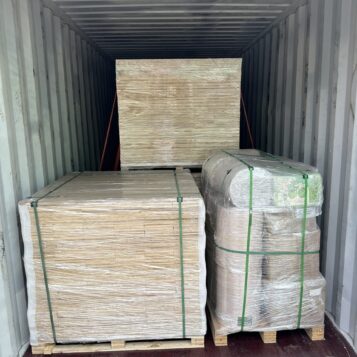
Loading Container
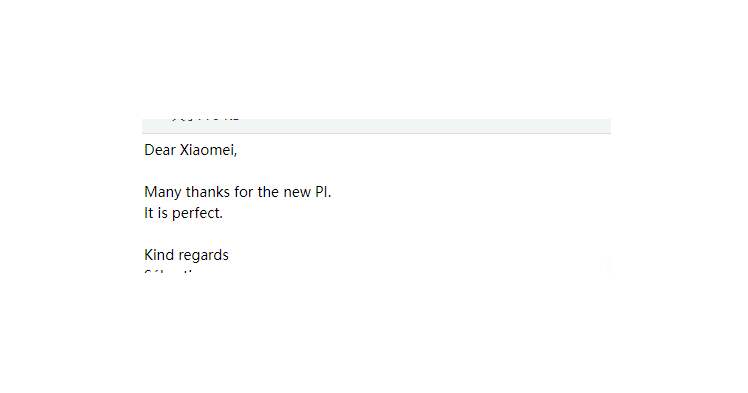
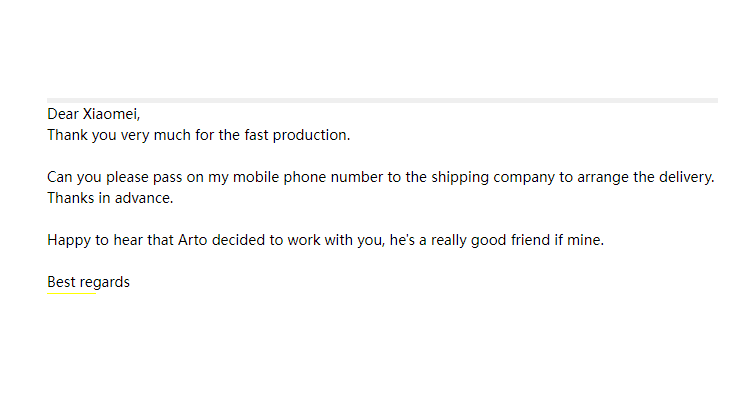
Hear from our Customers




Certifications & Compliance
Documentation that lets you import with confidence.

 English
  German
  Spanish
  Vietnamese