Quick answer: this guide explains bamboo woven structures for buyers in 2026, covering the key facts, trade-offs, and sourcing tips you need before you decide.
Bamboo-Woven Structures: The Future of Sustainable and Innovative Architecture
The field of architecture is witnessing a remarkable transformation thanks to the rise of bamboo-woven structures, which embody the perfect blend of sustainability, aesthetics, and cutting-edge technology. The evolving bamboo architecture design trends reveal a powerful movement towards integrating this ancient natural resource into modern bamboo structures that are both environmentally responsible and visually striking.
In this detailed analysis, we explore how bamboo’s unique properties and recent advances in digital fabrication are revolutionizing building envelopes and interior spaces, creating sustainable, low-impact, and resilient designs. Whether it’s through bamboo-woven facades, engineered bamboo products, strand-woven bamboo decking, or innovative bamboo gridshells, bamboo is redefining what is possible in green architecture.
Why Bamboo-Woven Structures Are Leading Design Innovation – Bamboo woven structures
Bamboo’s Strength in Nature and Innovation
Bamboo’s status as a fast-renewing material with exceptional mechanical qualities makes it an ideal choice for the sustainable design movement. Its impressive strength-to-weight ratio means less material can do more structural work, lowering embodied carbon in new and retrofit projects alike. Specifically, strand-woven bamboo decking has proven durable enough for heavy commercial and hospitality applications, creating high-performing, aesthetically unique spaces.
Parametric Weaving and Digital Fabrication
Modern fabrication techniques such as parametric design and robotic weaving enable architects to create intricate woven geometries at scale. These parametric weaving strategies optimize light filtration, natural ventilation, and acoustic performance—all essential in biophilic design approaches that reconnect people with nature indoors. These design tools also foster efficiency in material use, further driving bamboo’s sustainability benefits.
Architectural Expression in Bamboo-Woven Facades & Gridshells
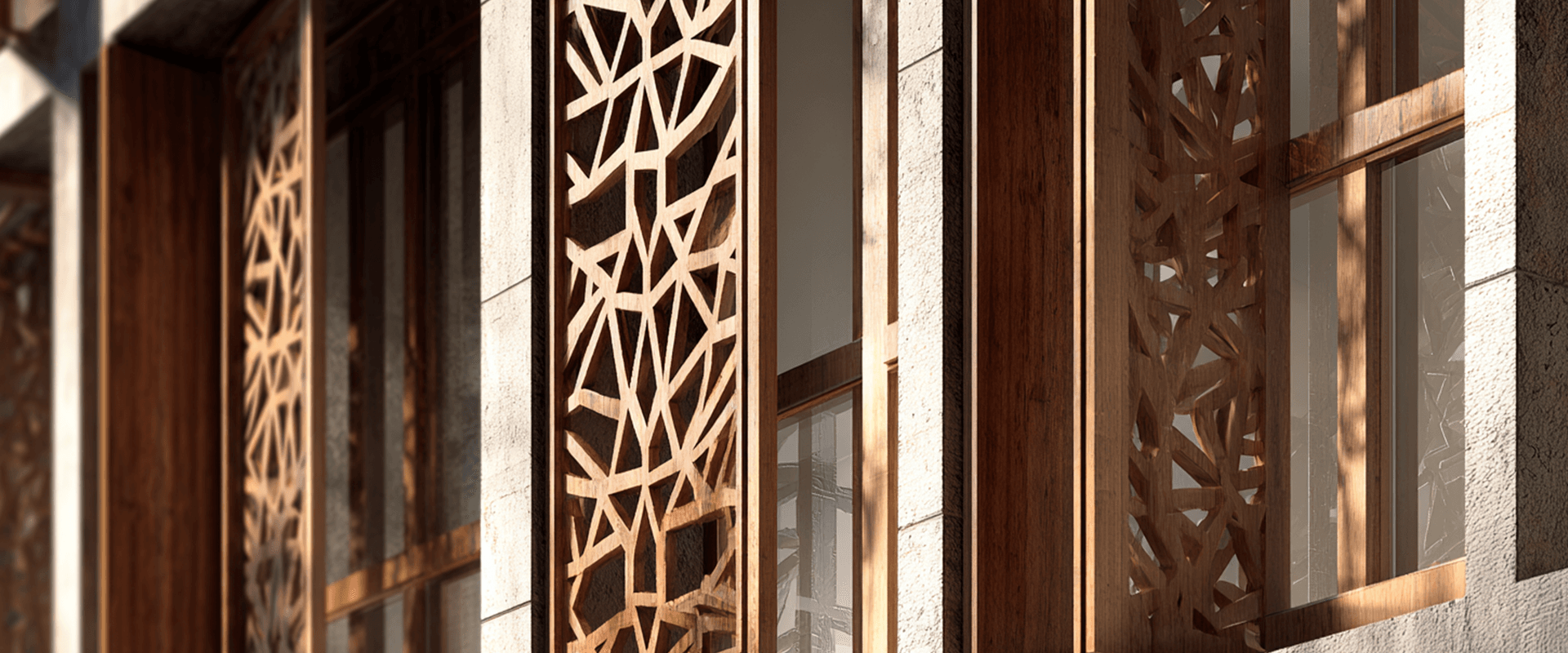
Bamboo-woven facades envelop buildings in breathable, dynamic skins that modulate solar heat gain while showcasing natural texture. Likewise, large-span bamboo gridshell structures combine computational design with handcrafted skills to deliver sweeping, column-free spaces with a spectacular visual presence. These applications amplify bamboo’s appeal, highlighting it as a material for the future of green and responsive design.
The Sustainability Edge: Low Embodied Carbon Bamboo Cladding and More
From a sustainability perspective, low embodied carbon bamboo cladding offers a transformational opportunity. Bamboo sequesters significant amounts of carbon throughout its rapid growth cycle—far faster than traditional timber—making its use in construction a direct contributor to carbon storage. Products such as cross-laminated panels and engineered bamboo composites extend this benefit by locking carbon into durable building components.
Moreover, the use of low-VOC finishes, compliance with standards like E0, E1, and CARB Phase 2, and strict adherence to bamboo plywood specifications elevate bamboo’s environmental profile by reducing off-gassing and improving indoor air quality. These factors make bamboo an increasingly attractive choice for sustainable design certification and health-conscious projects.
Practical Applications Transforming the Built Environment
The versatility of bamboo-woven solutions extends across many sectors, including:
- Acoustic Panels and Screens: Delicately perforated bamboo panels offer natural sound absorption while maintaining a warm tactile presence.
- Casework and Millwork: Bamboo’s consistent grain and hardness deliver premium, durable surfaces for cabinetry, retail fittings, and bespoke furniture.
- Feature Stairs and Flooring: With exceptional Janka hardness, strand-woven bamboo decking offers a resilient, beautiful surface for high-traffic vertical and horizontal circulation.
- Bamboo-Woven Facades: These facades act as breathable, climate-responsive envelopes that reduce energy use while crafting a distinctive architectural identity.
The integration of bamboo into parametric design workflows and CNC fabrication pipelines enables designers and builders to refine accuracy, minimize waste, and produce repeatable, high-quality components at scale, accelerating bamboo’s adoption in mainstream construction.
Subjective Reflections: The Promise of Bamboo-Woven Architecture
As a professional deeply involved with sustainable materials, I find bamboo’s evolution inspiring and essential. The convergence of tradition and innovation in bamboo construction systems invites a broader dialogue on responsible materiality — how to harness nature’s regenerative gifts aligned with 21st-century technology and design sophistication.
The rise of bamboo nanocellulose and bamboo biochar in material science points to exciting horizons where bamboo not only shapes structures but influences the chemistry and ecology of building systems—amplifying its role in the sustainable materials landscape.
Challenges and the Road Ahead
Despite the promise, bamboo-woven architecture and products face challenges such as:
- Navigating evolving bamboo standards and testing protocols to satisfy building codes and safety standards globally.
- Ensuring robust bamboo traceability to prevent greenwashing and secure ethical, sustainable sourcing.
- Expanding technical knowledge and craftsmanship to support complex digital and parametric bamboo fabrication.
Addressing these through collaborative research, policy support, and industry training is critical for scaling bamboo innovation responsibly and effectively.
Conclusion: Bamboo as a Cornerstone of Sustainable, High-Performance Architecture
The future of bamboo lies beyond traditional craft, propelled by bamboo industry innovations that deliver performance, beauty, and meaningful environmental benefits. With its unique blend of biophilic design possibilities, engineered bamboo strength, and low-impact carbon profile, bamboo is redefining sustainable architecture.
For architects, engineers, and developers eager to embrace next-generation materials, understanding and integrating bamboo plywood, strand-woven bamboo decking, and advanced fabrication techniques like parametric weaving and robotic fabrication bamboo will be key to unlocking new frontiers in both design excellence and ecological responsibility.
By championing bamboo-woven structures and innovative bamboo technologies, the building industry can herald a new era of climate-responsive, circular, and inspiring environments.
Further reading: Bamboo (overview). See also HTR Bamboo’s bamboo plywood and FSC certifications for more on bamboo woven structures.
Key takeaways on bamboo woven structures
- Why it matters: Bamboo woven structures combines strength, sustainability and value, which is why more B2B buyers specify it in 2026.
- What to check: when sourcing bamboo woven structures, confirm FSC certification, low-emission (E0/E1) adhesives and verified test reports.
- How HTR helps: HTR Bamboo supplies bamboo woven structures worldwide with OEM options, consistent quality and reliable lead times.
Bamboo woven structures: what B2B buyers should know in 2026
Demand for bamboo woven structures keeps rising as architects, importers and brands look for materials that balance performance with sustainability. Bamboo reaches maturity in three to five years, far faster than hardwood, so bamboo woven structures offers a renewable supply without sacrificing strength. For buyers, the practical questions are quality, compliance and consistency from order to order.
When you evaluate bamboo woven structures, start with certification. Ask for the FSC Chain-of-Custody number and verify it at info.fsc.org, request the latest formaldehyde test reports (E0 or E1, plus CARB/TSCA Title VI where relevant), and confirm the adhesive system. Pure all-bamboo products also sit outside the EU Deforestation Regulation, which can simplify due diligence for European importers. These checks protect you from variable quality and customs surprises.
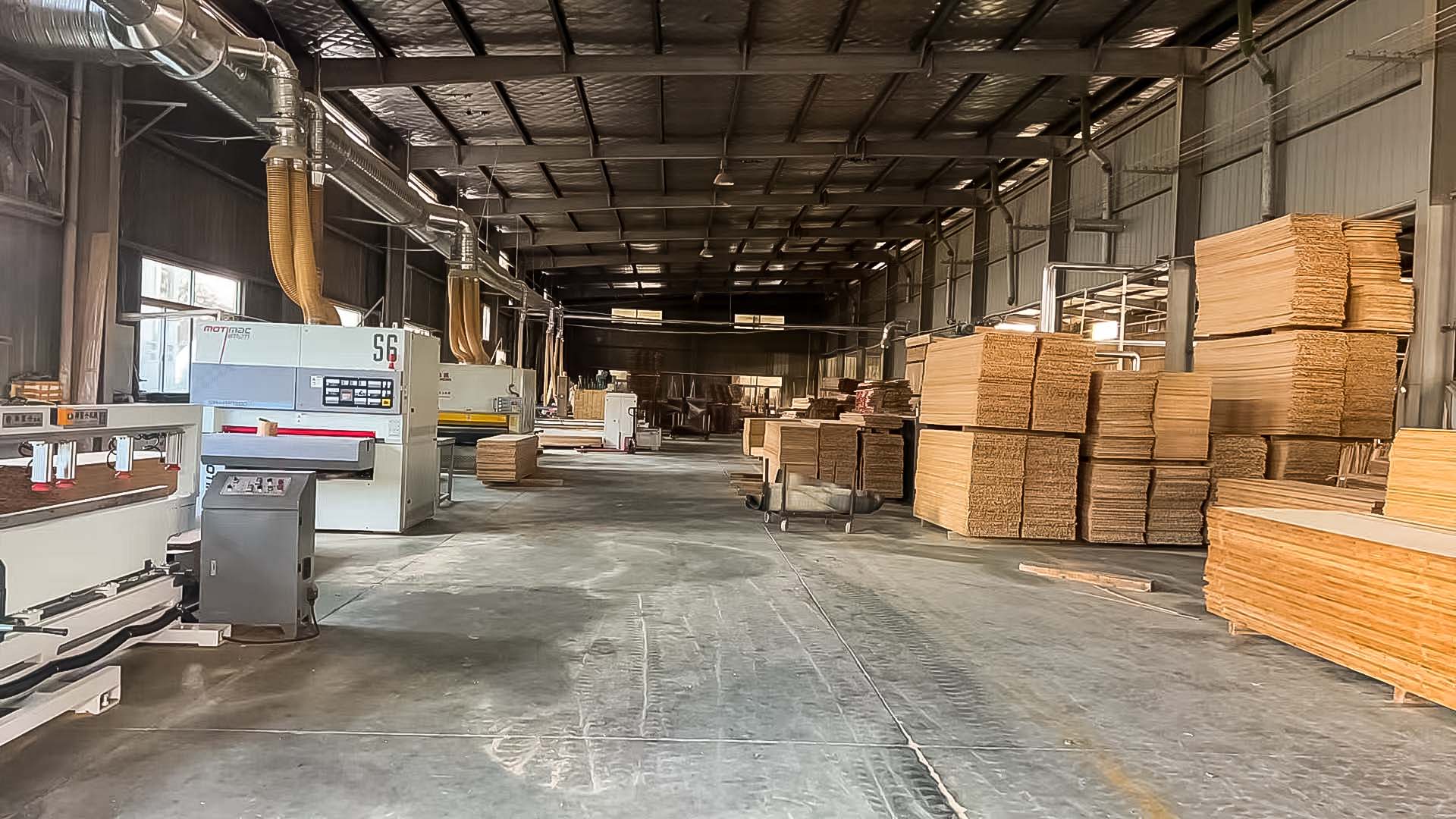
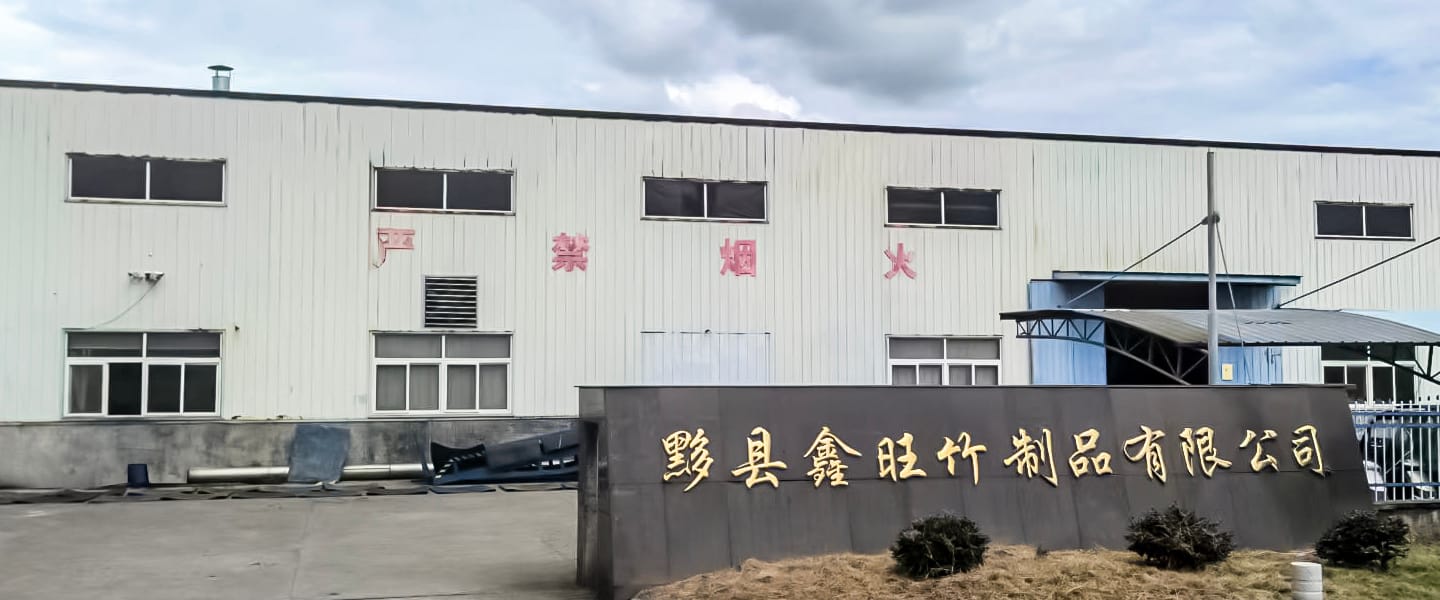
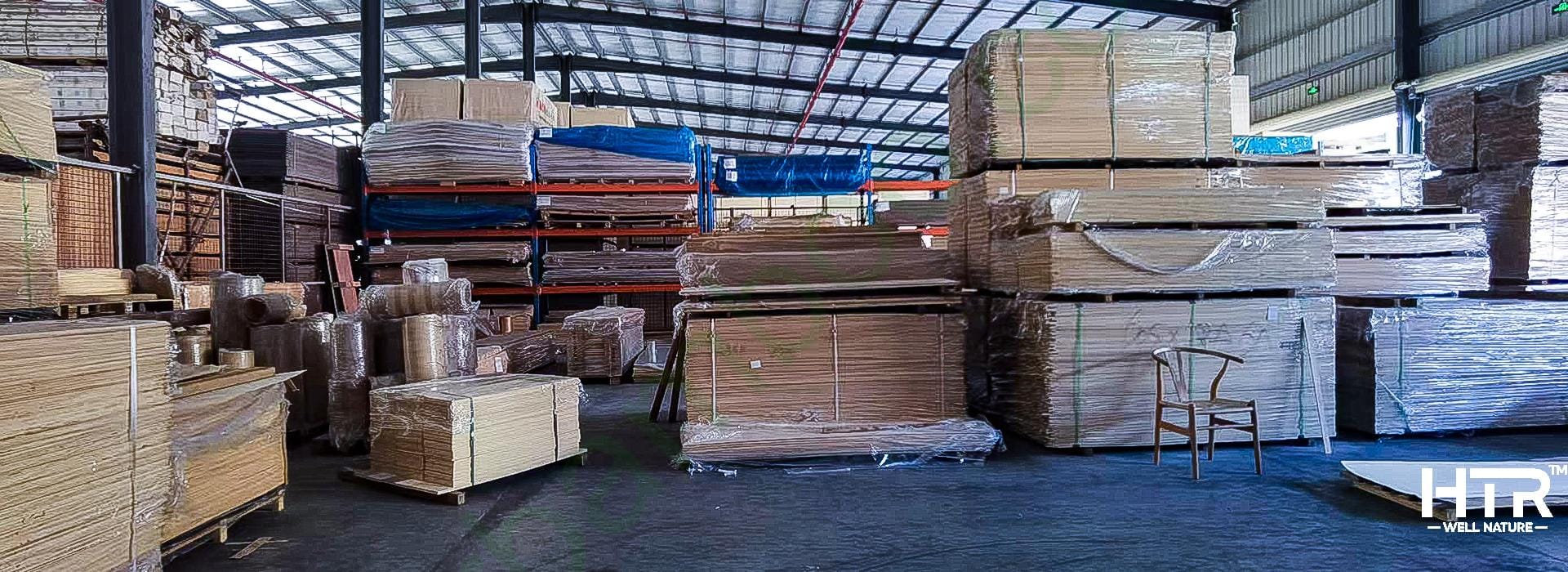
Next, look at the supplier behind the bamboo woven structures. A reliable manufacturer can show factory photos, share specifications with tight tolerances, support OEM and custom sizing, and quote realistic lead times and MOQs. Consistent moisture content, color matching and packaging matter as much as the headline price, because rework and claims erase any saving.
Why source bamboo woven structures from HTR Bamboo
HTR Bamboo manufactures and exports bamboo woven structures worldwide, backed by FSC certification (FSC-C210923), low-emission options, and OEM/ODM flexibility for B2B wholesale buyers. The team supports buyers in Europe, Australia, the Americas and Asia with samples, documentation and dependable shipping, so you can specify bamboo woven structures with confidence in 2026.
Working with a supplier? HTR Bamboo offers bamboo beams for B2B wholesale and OEM, or request a quote.
Share This Story, Choose Your Platform!
About the Author: HTR Bamboo Editorial Team

Related Posts
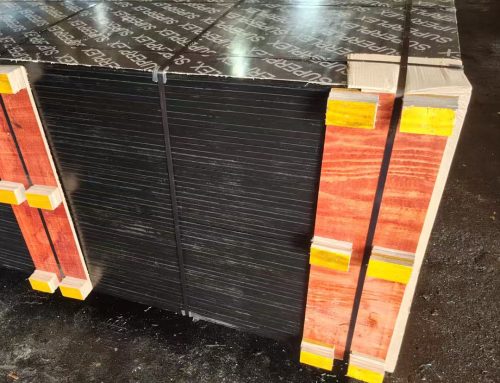
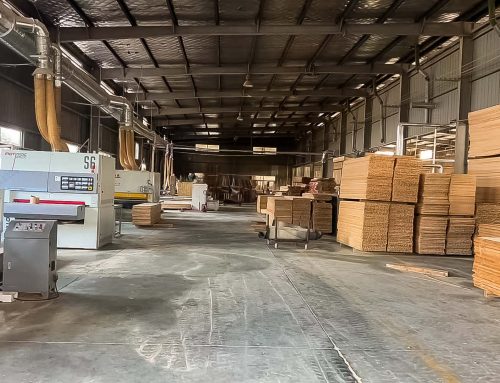
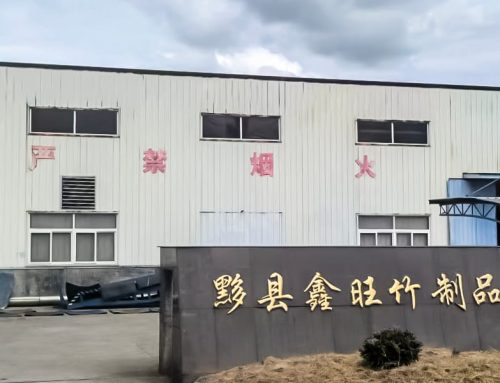
Table of Content
Need bamboo specifications?
Latest Posts
Copyright 2020 – 2030 HTR Bamboo
All Rights Reserved!

 English
  German
  Spanish
  Vietnamese