Sourcing Bamboo Plywood: China vs Vietnam Compared for B2B Buyers (2026)
Quick answer: Compare bamboo plywood suppliers in China and Vietnam using the same drawing, panel construction, acceptance criteria and delivery terms. Country alone does not establish price, machining capability, certification or delivery reliability. A useful comparison ends with two complete quotations and representative samples that you can evaluate on the same basis.
Reviewed: 5 October 2026. This guide is a procurement framework, not a country-wide price survey.
China vs Vietnam: compare the quoted product
| Compare | Request from each supplier | How to decide |
|---|---|---|
| Material and layup | Face style, layer sequence, core material, thickness and finish. | Confirm both offers cover the same construction and intended use. |
| Processing | Available cutting, routing, drilling and finishing operations; who performs them. | Review an equivalent part or sample against your drawing. |
| Quality | Measurement method, acceptable variation, sampling plan and handling of rejected parts. | Agree inspection criteria before approving production. |
| Documents | Relevant certificates, product reports and origin information. | Check holder, validity, product scope and connection to the order. |
| Commercial terms | MOQ, tooling, samples, unit price, packing, payment and Incoterm with named place. | Compare total cost at the same destination and order quantity. |
| Schedule | Material availability, sample review, production slot, inspection and transport assumptions. | Distinguish factory completion from delivery to your warehouse. |
On small screens, scroll the table sideways to compare the columns.
Raw material: confirm what is in the panel
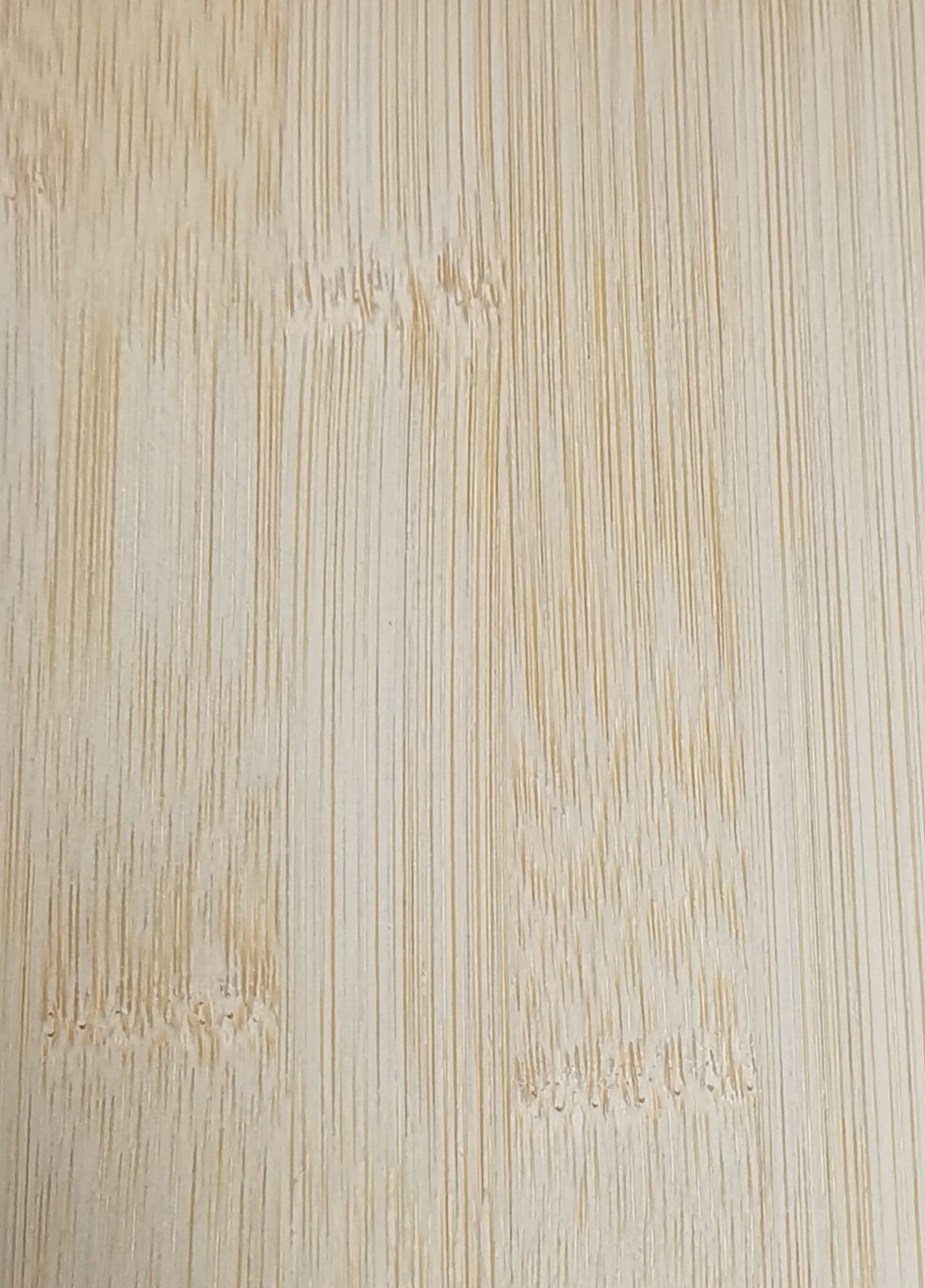
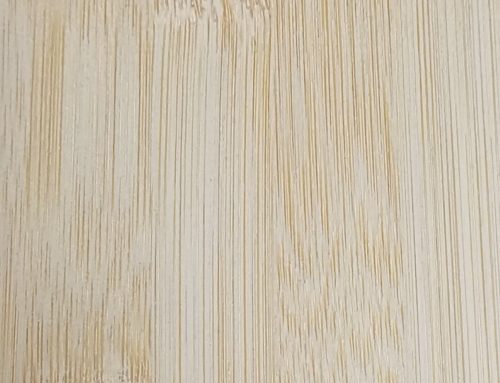
Ask for the bamboo material description and a cross-section showing each layer. Plain-pressed and side-pressed faces describe strip orientation; they do not tell you whether the core is bamboo, wood or another material. Colour, face selection and the permitted variation between boards should be agreed on samples.
A forest photograph or a species name does not establish the performance of the delivered panel. For panels that will be machined into components, check the exposed edge, joints and any allowed repairs as well as the face.

Processing depth and strand-woven capability
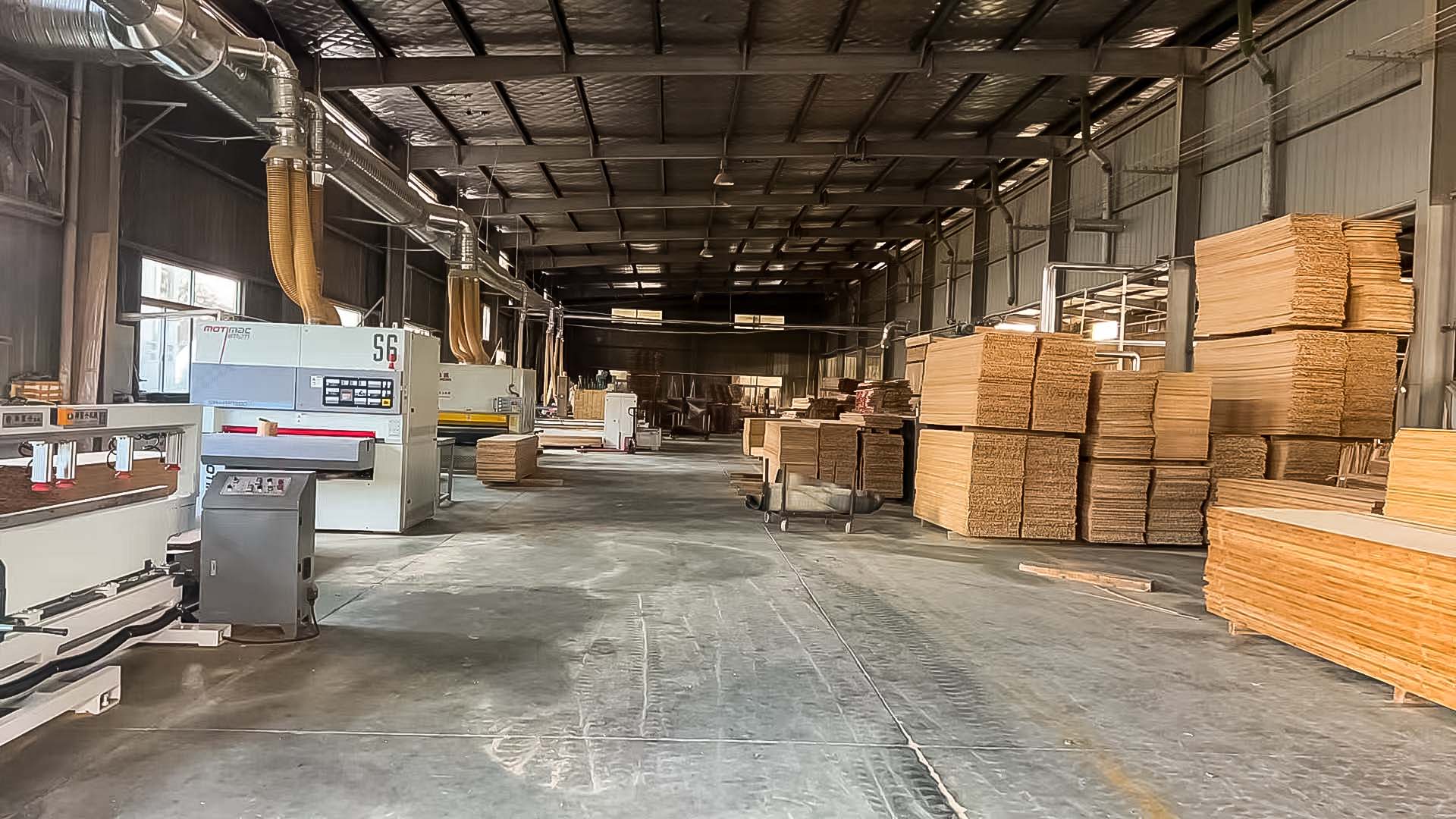
Verify the proposed supplier’s actual production route. Ask which operations take place at its own facility and which use a partner: pressing, sanding, CNC machining, coating, assembly or packing. A supplier’s location is not proof that it can make your strand-woven construction or hold your drawing’s tolerances.
Request a sample with a representative hole, routed edge or joint. Measure it using the agreed datum and method, then review edge tear-out, fit and finish. A small colour chip is useful for appearance but cannot demonstrate the behaviour of a full-size furniture part.
The U.S. tariff question in 2026
The USITC’s September 2026 final determination addresses hardwood and decorative plywood from China, Indonesia and Vietnam. Moving the sourcing country does not by itself settle tariff exposure.
The written 2026 plywood scope excludes products made entirely from bamboo and adhesive. A bamboo face over a wood core needs a separate review. Other duties still depend on the actual classification, origin and entry date. Give your broker the same construction documents used for the quotation, and use our bamboo plywood tariff and EUDR guide for the official sources. Do not budget using a single country-wide tariff percentage.
How to vet a bamboo panel supplier in either country
1. Verify the certificate and the sales claim
Use FSC Search to check a supplied certificate or licence code, status, holder and product scope. Ask how the certificate relates to the selling entity and the order’s FSC claim. A certificate image alone does not prove that every product offered is certified.
2. Match test reports to the product
Check the report’s sample description, construction, test method, date and results against the offered panel. If the quotation uses an emissions class, ask for the method and evidence behind it. A label such as “E0” without that context does not establish suitability for every destination.
3. Approve the sample and inspection plan
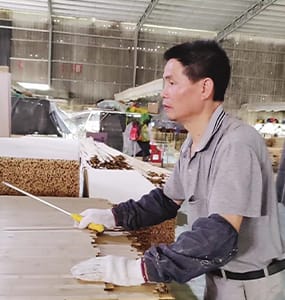
Record drawing revision, material, colour range, critical dimensions, flatness criteria, finish and packing. Agree which checks happen before shipment and how discrepancies will be resolved. Use the approved sample and specification together as the production reference.
4. Compare the complete delivery cost
Separate development and sample charges from repeat production. Include export packing, inland movement, freight, insurance, clearance and duties only where they are excluded from the quoted price. Confirm carton or pallet dimensions and weight so the logistics estimate uses the actual shipment.
When to choose each supplier
Choose the supplier that can demonstrate the required construction, sample quality, production route and delivery plan at the best total cost for your order. A second source can be useful, but qualify it with its own sample approval; an identical product name does not make two factories’ panels interchangeable.
Request a comparable quotation from HTR Bamboo
Send the drawing or panel specification, intended use, finish, trial and repeat quantities, destination and required documents. HTR can review the bamboo material and supply scope, then confirm the available sample route, production terms and quotation. MOQ and timing are agreed for the actual specification.
Start with the technical catalogs or request a representative sample.
Frequently Asked Questions
Prepared by the HTR Bamboo product and export team. For an order-specific material and supply review, send your project brief.
Share This Story, Choose Your Platform!
About the Author: HTR Bamboo Editorial Team

Related Posts
On this page
Need bamboo specifications?
Latest Posts
Copyright 2020 – 2030 HTR Bamboo
All Rights Reserved!

 English
  German
  Spanish
  Vietnamese