Is Bamboo Plywood Subject to U.S. Plywood Tariffs or the EU EUDR? (2026 Guide)
Quick answer: The written scope of the 2026 U.S. hardwood and decorative plywood proceeding excludes panels made entirely from bamboo and adhesive. That exclusion does not make every product sold as “bamboo plywood” duty-free. A bamboo face over a wood core needs a separate scope review, and other import duties depend on classification, origin and entry date.
Reviewed: 5 October 2026. For EU buyers, the EUDR Annex I amendment now expressly addresses bamboo. The construction of the whole panel matters in both markets.
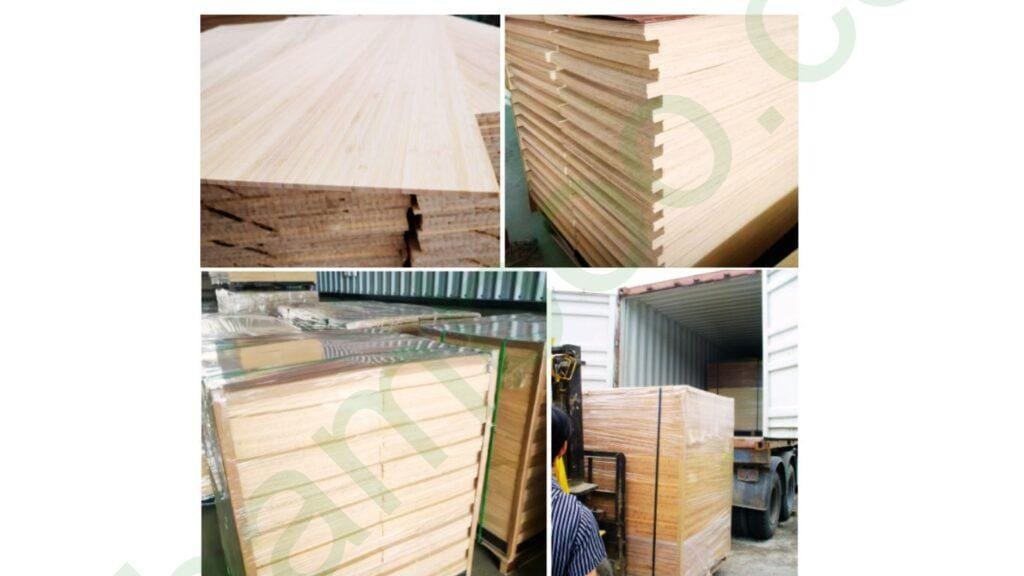
The 2026 U.S. bamboo plywood tariffs explained
The U.S. International Trade Commission has completed its final injury determination for hardwood and decorative plywood from China, Indonesia and Vietnam. Its determination was published on 9 September 2026; this stage is no longer pending. The affirmative finding excludes all softwood structural plywood. The Commission also made a negative critical-circumstances finding for the China and Vietnam countervailing cases and the China antidumping case. Importers should use the resulting Commerce and CBP instructions for the relevant entry, rather than assume a blanket 90-day retroactive charge. See the USITC final determination.
Commerce’s 21 July 2026 China notices reported a 187.27% antidumping margin, a 185.96% export-subsidy-adjusted AD cash-deposit rate and an 88.96% countervailing subsidy rate. These are dated findings for merchandise within that proceeding, not a landed-duty quote for bamboo panels. See the China AD final determination and China CVD final determination.
Where bamboo plywood stands
What the scope actually says
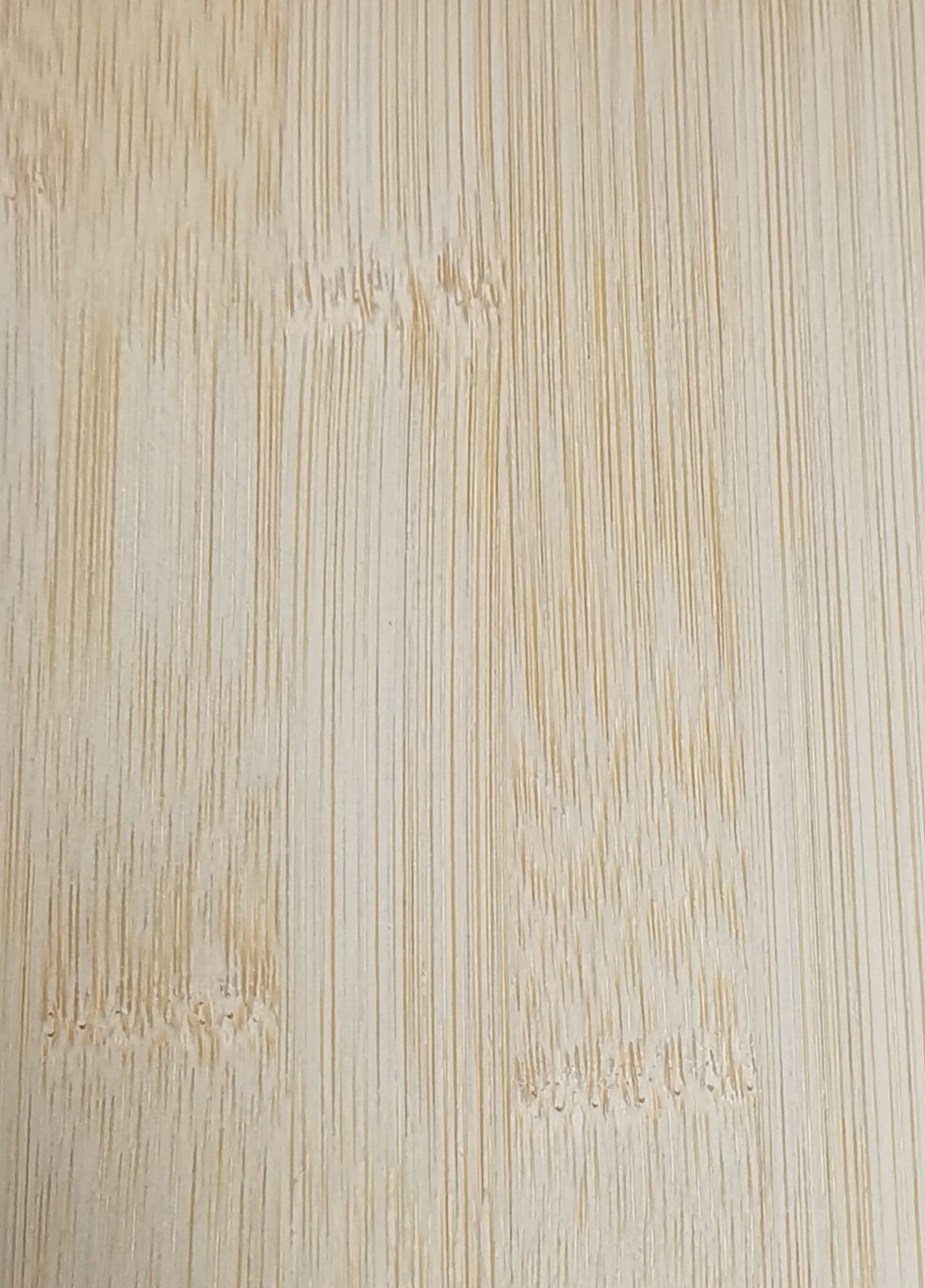
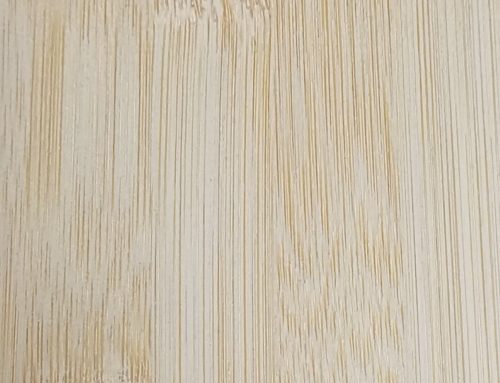
Appendix I of Commerce’s final determination specifically excludes products made entirely from bamboo and adhesives, sometimes called solid bamboo. The written description controls scope; an HTS code or a marketing name alone does not settle the question. This exclusion applies to the identified proceeding, not automatically to every U.S. trade measure.
| Panel construction | U.S. scope check | Evidence to collect |
|---|---|---|
| Bamboo and adhesive throughout | Matches the stated solid-bamboo exclusion in the 2026 plywood scope, subject to confirming the actual product. | Layer-by-layer material declaration, section photo and product specification. |
| Bamboo face with a wood core | The all-bamboo exclusion cannot be assumed. Review the complete written scope and any other applicable orders. | Face, back and core materials; veneer thicknesses; origin and manufacturing details. |
| Mixed construction or finished component | Assess composition and processing separately. A finished component may require a different classification analysis. | Bill of materials, drawing, manufacturing description and intended use. |
On small screens, scroll the table sideways to compare the columns.
After scope review, the importer and customs broker should check the current HTS classification, any applicable Chapter 99 or other additional duties, producer/exporter details and entry date. Do not use an AD/CVD exclusion as a claim of zero total import duty.
Bamboo and the EU Deforestation Regulation (EUDR)
Commission Delegated Regulation (EU) 2026/2102 added an explicit Annex I note: EUDR does not apply to the listed wood products to the extent they are made of bamboo, rattan or the other specified materials. For an all-bamboo panel, retain a composition record supporting that assessment. A bamboo-faced panel with a wood core still requires review of the listed product and its wood content; a bamboo surface does not remove wood-related obligations.
The European Commission’s implementation timetable lists 30 December 2026 for large and medium operators, and 30 June 2027 for micro and small operators. Micro and small operators already covered by the EU Timber Regulation have the earlier 30 December 2026 date. The EU operator should confirm which category and transition rules apply to its covered products.
What importers should confirm before ordering
- Identify the build. Specify bamboo-only layers, wood species or other core materials, adhesive, coating and any machining.
- Document the supply. Obtain product and packing descriptions, country-of-origin information and the producer/exporter identity relevant to the shipment.
- Review the destination. Have the importer or adviser assess U.S. classification and scope, or EU product coverage and operator obligations.
- Separate commercial terms. Confirm who handles clearance, duties, freight and insurance under the agreed Incoterm and named place.
- Keep the order record consistent. The quotation, approved sample, invoice and product declaration should describe the same construction.
Request construction documents from HTR Bamboo
Send HTR the application, panel dimensions, desired layup, quantity and destination. Ask us to confirm whether the quoted construction contains only bamboo and adhesive or includes other materials, and which supporting documents are available. FSC claims and emissions reports must be checked against the eligible product and order; a company certificate or a general “E0/E1” description is not a substitute for that review.
Use our technical catalogs, certification and document guide and sample request page to prepare the enquiry.
Frequently asked questions
Request a construction review and quotation
Send the application, panel specification, quantity and destination. We will review the proposed material, available documents and quotation terms. Sample availability, charges and courier costs are confirmed for the request.
This guide provides general sourcing information. The importer should confirm the applicable customs and regulatory treatment for the actual product and shipment.
Share This Story, Choose Your Platform!
About the Author: HTR Bamboo Editorial Team

Related Posts
On this page
Need bamboo specifications?
Latest Posts
Copyright 2020 – 2030 HTR Bamboo
All Rights Reserved!

 English
  German
  Spanish
  Vietnamese