Bamboo Craft Revival: Merging Tradition with Modern Bamboo Artistry for Sustainable Design
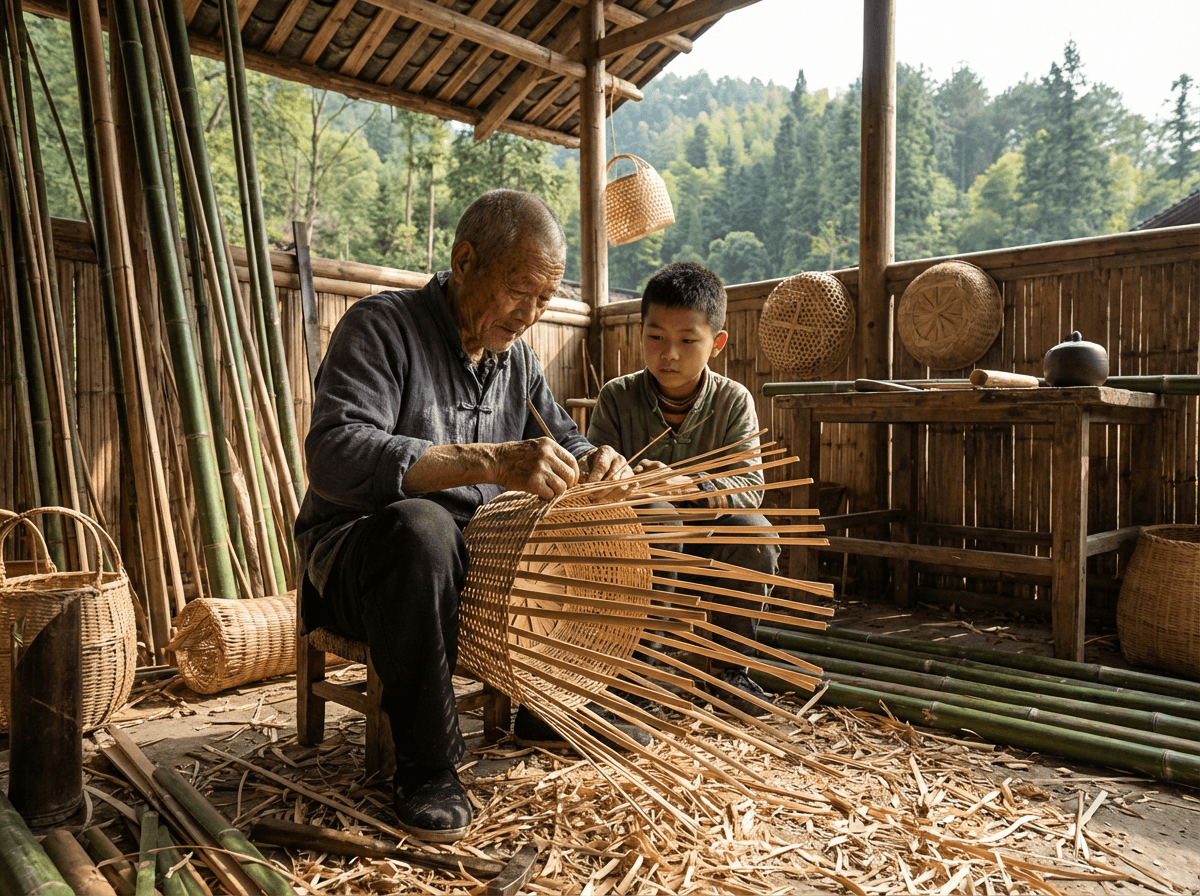
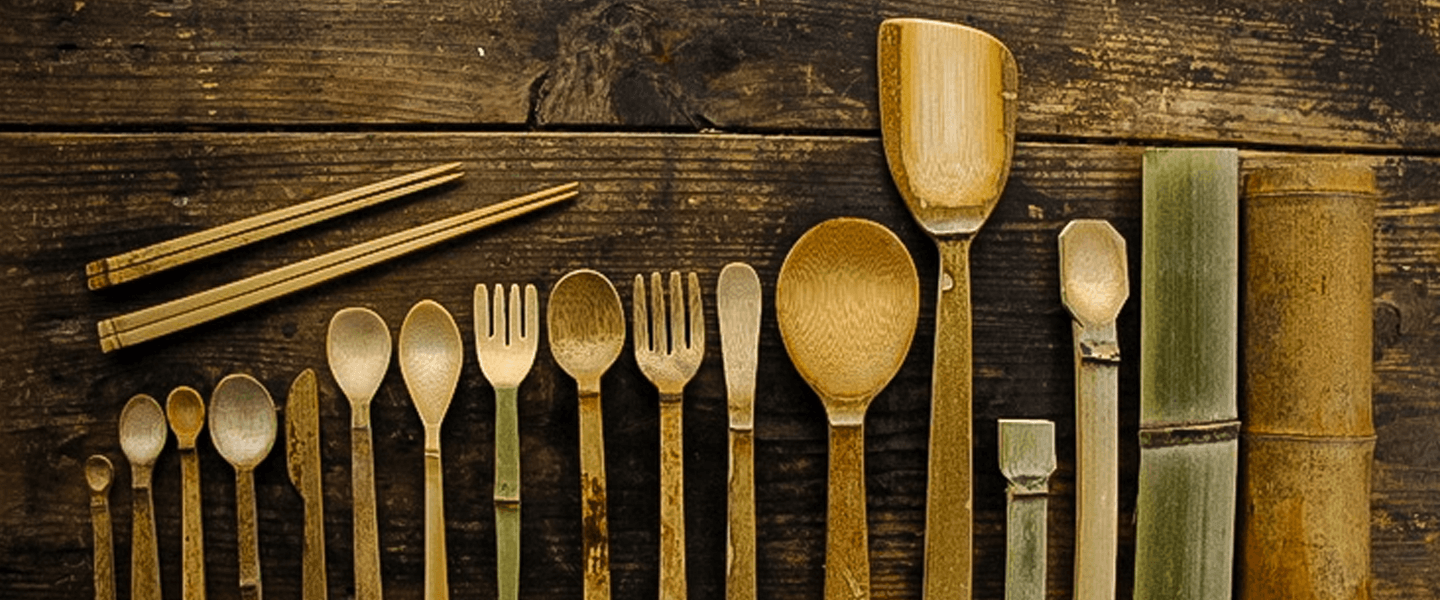
Bamboo craft has long been celebrated for its cultural heritage and artisanal beauty. Today, we are witnessing a remarkable bamboo craft revival that seamlessly blends age-old bamboo weaving techniques with cutting-edge design innovations. This fusion is redefining the possibilities of bamboo as a material, propelling it into the forefront of modern bamboo artistry and sustainable design.
From artisanal bamboo products to large-scale architectural applications like bamboo wall cladding and engineered bamboo panels, bamboo is emerging as a versatile, eco-friendly material that resonates deeply with contemporary aesthetics and environmental imperatives.
The Renaissance of Bamboo Craft: Tradition Meets Innovation
The resurgence of interest in bamboo craft is not merely nostalgic; it is a strategic response to the growing demand for sustainable bamboo design. Traditional bamboo craft techniques, including intricate weaving and hand-lamination, are being revitalized with modern tools such as CNC fabrication and parametric modeling. This synergy allows designers and artisans to push the boundaries of form and function.
The result is a new generation of bamboo furniture and lighting that combines handcrafted warmth with precision engineering. These pieces are not only visually stunning but also embody principles of durability and environmental stewardship.
Bamboo in Architecture: Beyond the Surface
Architectural applications of bamboo have evolved significantly. Bamboo wall cladding and engineered bamboo panels offer architects and interior designers a sustainable alternative to conventional materials. These products provide excellent structural integrity, natural thermal regulation, and a unique tactile experience.
Innovations such as parametric bamboo screens showcase how computational design can harness bamboo’s flexibility and strength to create dynamic, responsive facades and interior partitions. These screens contribute to biophilic design materials strategies, enhancing occupant wellbeing by fostering a connection to nature.
Material Excellence: Strand-Woven Bamboo and Bamboo Veneer Collections
Among the most celebrated innovations in bamboo craft are strand-woven bamboo products. These materials are created by compressing bamboo fibers under extreme pressure, resulting in a dense, durable surface ideal for flooring, furniture, and architectural elements.
Complementing this are exquisite bamboo veneer collections, which offer designers the ability to clad surfaces with thin, flexible bamboo sheets that retain natural beauty while enabling creative expression.
Sustainability at the Core of Bamboo Craft
Sustainability is intrinsic to bamboo’s appeal. The rapid growth cycle of bamboo and its ability to regenerate without replanting position it as a renewable resource with a low environmental footprint. The revival of bamboo craft aligns with circular economy principles, emphasizing longevity, reparability, and recyclability.
Moreover, bamboo’s role in sustainable bamboo design extends beyond materials to encompass ethical sourcing and transparent supply chains, ensuring that every product reflects a commitment to environmental and social responsibility.
Subjective Insights: Why Bamboo Craft Inspires Modern Design
From my professional experience, the bamboo craft revival represents a critical intersection of culture, innovation, and sustainability. The tactile richness of artisanal bamboo products, combined with the precision of engineered materials, offers designers unparalleled opportunities to create spaces and objects that are both meaningful and forward-thinking.
Bamboo’s adaptability—from delicate woven lampshades to robust architectural panels—makes it uniquely suited to meet the evolving demands of modern design while honoring tradition.
Conclusion: Embracing Bamboo Craft for a Sustainable Future
The fusion of traditional bamboo craft techniques with modern technology is transforming bamboo into a material of the future. Whether through engineered bamboo panels, strand-woven bamboo, or bespoke bamboo furniture and lighting, bamboo is proving its versatility, sustainability, and timeless beauty.
For architects, designers, and consumers seeking authentic, eco-friendly materials, embracing the bamboo craft revival offers a pathway to innovative, sustainable, and inspiring design solutions.
Share This Story, Choose Your Platform!
About the Author: hao yu

Related Posts



Table of Content
Join Our Newsletter
Latest Posts
Copyright 2020 – 2030 Well Nature Bamboo
All Rights Reserved!