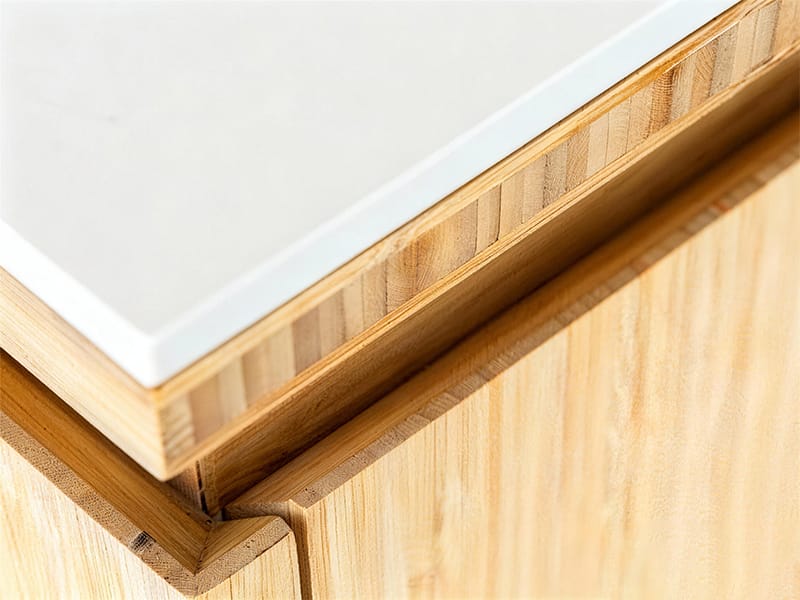
The Rise of Bamboo Flooring: A Sustainable Choice for Modern Homes
As more people look for eco-friendly ways to spruce up their homes, bamboo flooring is stepping into the spotlight as a top sustainable flooring option. It’s not just about being green—bamboo combines durability, style, and environmental care in a way that’s hard to beat. Thanks to its fast growth, impressive toughness, and a variety of design choices, bamboo flooring is changing how homeowners and designers think about floors. This guide will walk you through the benefits of bamboo flooring, current trends, and handy tips for installation, so you can make smart choices for your next project.
Why Bamboo Flooring is Winning Hearts
Here’s a fun fact: bamboo isn’t a tree—it’s a grass. That means it grows much faster than traditional hardwoods, usually ready to harvest in just 3 to 5 years. Imagine a resource that renews itself almost as quickly as you can say “flooring!” This rapid growth makes bamboo a champion for sustainability, cutting down the environmental impact compared to slow-growing woods. Plus, engineered versions like strand-woven bamboo take this natural strength and stability up a notch, making it perfect for everything from cozy homes to busy commercial spaces.
Bamboo vs. Hardwood: Toughness and Performance
If you’re worried about durability, bamboo’s got you covered. Strand-woven bamboo flooring scores around 3,000 lbf on the Janka hardness scale—way tougher than popular hardwoods like red oak, which sits around 1,290 lbf. What does that mean for you? Floors that stand up to dents, scratches, and everyday wear, even in high-traffic spots. And if you’re thinking about radiant heat floors, engineered bamboo plays nicely with those systems, staying stable without warping or shrinking.
Health and Environmental Peace of Mind
Today’s bamboo flooring makers care about what’s in the air you breathe. They use low-VOC materials and finishes, which means fewer harmful chemicals indoors. Certifications like FloorScore and GREENGUARD Gold back this up, ensuring bamboo floors meet strict standards for emissions, including CARB Phase 2 and TSCA Title VI compliance. So, whether it’s your family’s health or your office’s air quality, bamboo flooring helps keep things fresh and safe.
Design Trends: Where Style Meets Sustainability
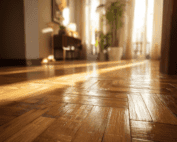
Bamboo isn’t just tough—it’s stylish, too. From wide plank bamboo flooring to eye-catching herringbone patterns, there’s a look for every modern interior. The click-lock bamboo flooring systems make installation a breeze, whether you’re a pro or a weekend DIY warrior. And with natural grain and color variations—from light blondes to warm caramel hues—bamboo adds a cozy, textured feel that fits perfectly with biophilic design, bringing a bit of nature indoors.
Tips for Installing Bamboo Floors Like a Pro
Getting your bamboo floor just right means paying attention to a few key steps:
- Let the flooring acclimate in your home for 48–72 hours so it adjusts to the moisture levels.
- Make sure your subfloor is flat and dry—testing for moisture is especially important if you’re working with concrete.
- Pick the right installation method for your space, whether it’s floating, glue-down, or nail-down.
- Leave expansion gaps around the edges to give the floor room to breathe and move naturally.
- Follow manufacturer advice if you’re using radiant heat to keep your floors in tip-top shape.
Keeping Bamboo Floors Beautiful Over Time
One of the best things about bamboo floors? They’re pretty low-maintenance. Regular sweeping or vacuuming with a soft brush, occasional damp mopping with gentle, pH-neutral cleaners, and putting felt pads under furniture will keep your floors looking fresh. Plus, many bamboo floors can be refinished, which means you can give them a facelift instead of replacing them—good news for your wallet and the planet.
Cost and Value: A Smart Investment
Bamboo flooring usually comes in at a competitive price compared to mid-grade hardwoods, and it often costs less to install and maintain. When you factor in how durable it is and the option to refinish, bamboo flooring often turns out to be a smarter investment over time.
Final Thoughts: Bamboo Flooring as a Sustainable Investment
The bamboo flooring market is growing fast as more people discover its unique mix of sustainability, durability, and style. Choosing FSC-certified bamboo products with FloorScore and GREENGUARD Gold certifications means you’re picking floors that support healthier homes and a smaller environmental footprint. Whether you’re renovating your home or outfitting a commercial space, bamboo flooring offers a beautiful, long-lasting, and responsible choice that fits right in with today’s green living goals.
Ready to explore bamboo flooring for your next project? Check out our range of engineered bamboo flooring and strand-woven bamboo products, all backed by top certifications and expert support.
- Explore products: HTR Bamboo Flooring Collection
- Installation guide: Bamboo Floor Installation Tips
- Sustainability info: Sustainability at HTR Bamboo
- Request samples or consultation: Contact HTR Bamboo
Share This Story, Choose Your Platform!
About the Author: hao yu

Related Posts


Table of Content
Join Our Newsletter
Latest Posts
Copyright 2020 – 2030 Well Nature Bamboo
All Rights Reserved!