Quick answer: this guide explains bamboo architecture for buyers in 2026, covering the key facts, trade-offs, and sourcing tips you need before you decide.
The Future of Bamboo in Sustainable Architecture: Trends, Innovations, and Practical Insights
Bamboo has rapidly transitioned from a niche material to a leading contender in sustainable bamboo architecture around the globe. Its combination of rapid renewability, high-performance, and biophilic beauty makes it an exceptional choice for architects, builders, and developers looking to meet stringent environmental goals without sacrificing aesthetics or durability.
In this comprehensive exploration, we delve into bamboo construction trends, the evolving role of engineered bamboo products, and practical strategies—including bamboo plywood, laminated bamboo lumber (LBL), and bamboo scrimber—that are shaping the future of eco-friendly building materials.
Why Bamboo Is Poised to Transform Sustainable Architecture
Rapid Renewability & Carbon Impact
A key advantage of bamboo is its remarkably short growth cycle, typically maturing in 3 to 5 years compared to decades for most hardwoods. This fast regrowth supports a continuous supply chain without replanting, preserving soil integrity and enabling effective bamboo carbon sequestration.
When processed into durable engineered formats, such as bamboo plywood and laminated bamboo lumber, bamboo stores biogenic carbon effectively, helping reduce embodied carbon in buildings. This makes bamboo a standout among low embodied carbon materials in contemporary design.
Strength, Versatility & Engineered Precision
Technological advances enable bamboo products to meet or exceed the mechanical properties of timber. Different engineered bamboo materials—whether it’s strand-woven bamboo decking, solid laminated lumber, or scrimber composites—offer superior strength-to-weight ratios, dimensional stability, and design flexibility.
These materials support robust bamboo structural systems used in everything from residential framing to commercial façades, enabling architects to push limits with light yet durable building components.
Biophilic & Design-Forward Appeal
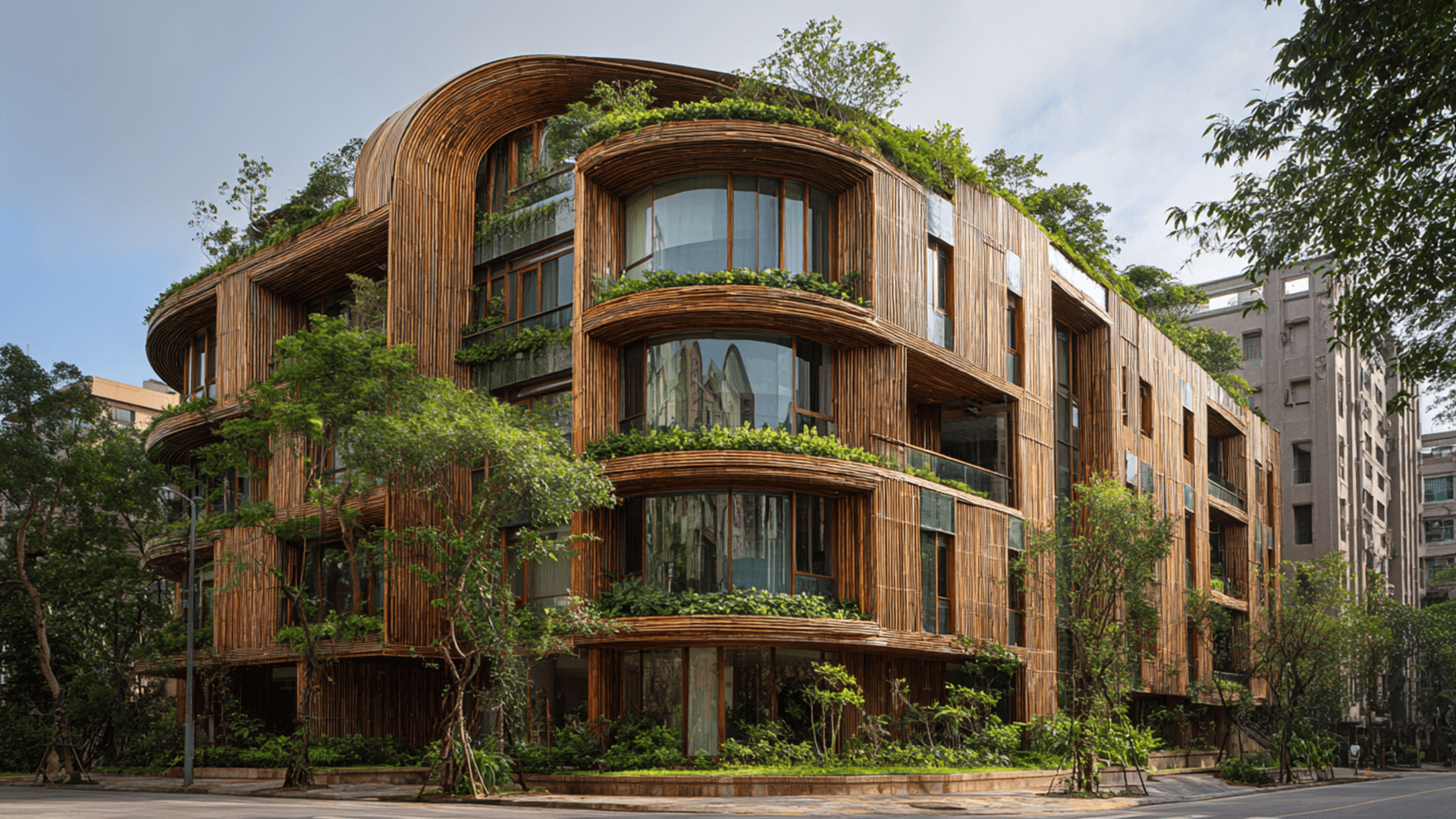
Beyond performance, bamboo inherently supports biophilic design—introducing natural textures, warm tonalities, and organic aesthetics. Modern architecture increasingly adopts bamboo to create healthier, more engaging interiors that connect occupants with nature. Coupled with parametric design and design for disassembly principles, bamboo structures can be precisely fabricated and adapted, fostering sustainability and modularity simultaneously.
Standardization and Compliance: The Backbone of Trust
For bamboo to fully integrate into mainstream construction, adherence to evolving standards is critical. International standards like ISO 22156 and ISO 22157 provide engineering frameworks and mechanical testing protocols that enable consistent quality control and regulatory acceptance.
Complementing technical specification are certifications and environmental declarations such as Life Cycle Assessments (bamboo LCA and EPD) which underpin green building materials credentials crucial for gaining LEED, BREEAM, and similar recognition. Low-emission finishes complying with E0 E1 CARB Phase 2 TSCA Title VI standards further ensure that bamboo products contribute to healthy indoor environments.
Transformative Bamboo Products Leading Architectural Innovation
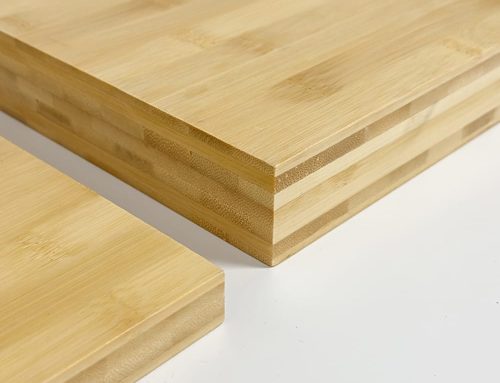
- Bamboo Plywood: Engineered for panels and surfacing, offering precision fabrication and beautiful grain patterns.
- Laminated Bamboo Lumber (LBL): Strong, lightweight beams and joists suitable for structural applications.
- Bamboo Scrimber: High-density, composite lumber created by fusing bamboo fibers for enhanced rigidity and durability.
- Strand-Woven Bamboo Decking: Especially popular for commercial and hospitality applications for its hardness and weather resistance.
- Bamboo Cladding: Providing low embodied carbon façades with natural durability and aesthetics.
Together, these products are enabling next-generation buildings that balance sustainability with performance and design flexibility.
Modern Trends in Bamboo Architecture and Construction
Bamboo Construction Trends reveal a growing embrace of digital design and fabrication techniques. Parametric weaving and robotic fabrication allow architects to realize complex, organic forms such as bamboo gridshells and woven façades that are lightweight, structurally sound, and visually captivating.
These methods complement DFMA (Design for Manufacturing and Assembly) and modular construction approaches, accelerating build times and reducing waste. Prefabricated bamboo components can be seamlessly integrated into mixed-material structures incorporating steel and concrete, broadening bamboo’s scope.
Subjective Insights: Why Bamboo Will Define Future Building
From my perspective as a sustainability consultant, the trajectory of bamboo in architecture embodies the larger shift toward materials that serve people and planet alike. Its rapid renewability, combined with mature engineered solutions, creates an unparalleled opportunity to reduce the carbon footprint of construction while inspiring occupant wellbeing through biophilic design.
However, scaling bamboo’s impact globally requires continuous efforts in standards harmonization, supply chain transparency (bamboo supply chain traceability), and market education. Only with a solid foundation of trust and quality can bamboo transcend its status as a niche or exotic material to fully embed into the fabric of sustainable building.
Practical Steps to Integrate Bamboo Today
For stakeholders eyeing bamboo’s future potential, several pragmatic steps can accelerate adoption:
- Start Early with Standards: Specify products certified under relevant ISO standards (22156, 22157) and demand LCA-backed EPDs.
- Design for Circularity: Embrace modular bamboo systems and details that facilitate disassembly, reuse, and adaptation.
- Focus on Engineered Bamboo: Prioritize engineered bamboo and composites for predictable performance and code compliance.
- Align with Sustainability Goals: Leverage bamboo’s intrinsic low embodied carbon and biogenic storage to meet project-level carbon targets.
- Engage in Collaborative Innovation: Partner with manufacturers pioneering bamboo plywood, laminated bamboo lumber, and bamboo scrimber technologies to customize solutions.
Conclusion
The future of bamboo in sustainable architecture is bright and full of promise. Through continued innovation in engineered bamboo, expanded bamboo construction trends, and a rigorous embrace of global standards and certifications, bamboo is poised to redefine sustainable building practices worldwide.
Bamboo isn’t just an alternative material—it is an integral part of a resilient, low-carbon future, bringing functional beauty and environmental stewardship into every project.
Further reading: Bamboo construction. See also HTR Bamboo’s bamboo plywood and FSC certifications for more on bamboo architecture.
Sustainable architecture: what B2B buyers should know in 2026
Demand for sustainable architecture keeps rising as architects, importers and brands look for materials that balance performance with sustainability. Bamboo reaches maturity in three to five years, far faster than hardwood, so sustainable architecture offers a renewable supply without sacrificing strength. For buyers, the practical questions are quality, compliance and consistency from order to order.
When you evaluate sustainable architecture, start with certification. Ask for the FSC Chain-of-Custody number and verify it at info.fsc.org, request the latest formaldehyde test reports (E0 or E1, plus CARB/TSCA Title VI where relevant), and confirm the adhesive system. Pure all-bamboo products also sit outside the EU Deforestation Regulation, which can simplify due diligence for European importers. These checks protect you from variable quality and customs surprises.
Next, look at the supplier behind the sustainable architecture. A reliable manufacturer can show factory photos, share specifications with tight tolerances, support OEM and custom sizing, and quote realistic lead times and MOQs. Consistent moisture content, color matching and packaging matter as much as the headline price, because rework and claims erase any saving.
Why source sustainable architecture from HTR Bamboo
HTR Bamboo manufactures and exports sustainable architecture worldwide, backed by FSC certification (FSC-C210923), low-emission options, and OEM/ODM flexibility for B2B wholesale buyers. The team supports buyers in Europe, Australia, the Americas and Asia with samples, documentation and dependable shipping, so you can specify sustainable architecture with confidence in 2026.
Bamboo architecture: FAQ and sourcing guide
Demand for bamboo architecture keeps rising as architects, importers and brands look for materials that balance performance with sustainability. Bamboo reaches maturity in three to five years, far faster than hardwood, so bamboo architecture offers a renewable supply without sacrificing strength. For buyers, the practical questions are quality, compliance and consistency from order to order.
When you evaluate bamboo architecture, start with certification. Ask for the FSC Chain-of-Custody number and verify it at info.fsc.org, request the latest formaldehyde test reports (E0 or E1, plus CARB/TSCA Title VI where relevant), and confirm the adhesive system. Pure all-bamboo products also sit outside the EU Deforestation Regulation, which can simplify due diligence for European importers. These checks protect you from variable quality and customs surprises.
Next, look at the supplier behind the bamboo architecture. A reliable manufacturer can show factory photos, share specifications with tight tolerances, support OEM and custom sizing, and quote realistic lead times and MOQs. Consistent moisture content, color matching and packaging matter as much as the headline price, because rework and claims erase any saving.
Why source bamboo architecture from HTR Bamboo
HTR Bamboo manufactures and exports bamboo architecture worldwide, backed by FSC certification (FSC-C210923), low-emission options, and OEM/ODM flexibility for B2B wholesale buyers. The team supports buyers in Europe, Australia, the Americas and Asia with samples, documentation and dependable shipping, so you can specify bamboo architecture with confidence in 2026.
For bulk and OEM orders, visit HTR Bamboo’s engineered bamboo beams for B2B wholesale and OEM, or request a quote.
Share This Story, Choose Your Platform!
About the Author: HTR Bamboo Editorial Team

Related Posts


On this page
Need bamboo specifications?
Latest Posts
Copyright 2020 – 2030 HTR Bamboo
All Rights Reserved!

 English
  German
  Spanish
  Vietnamese