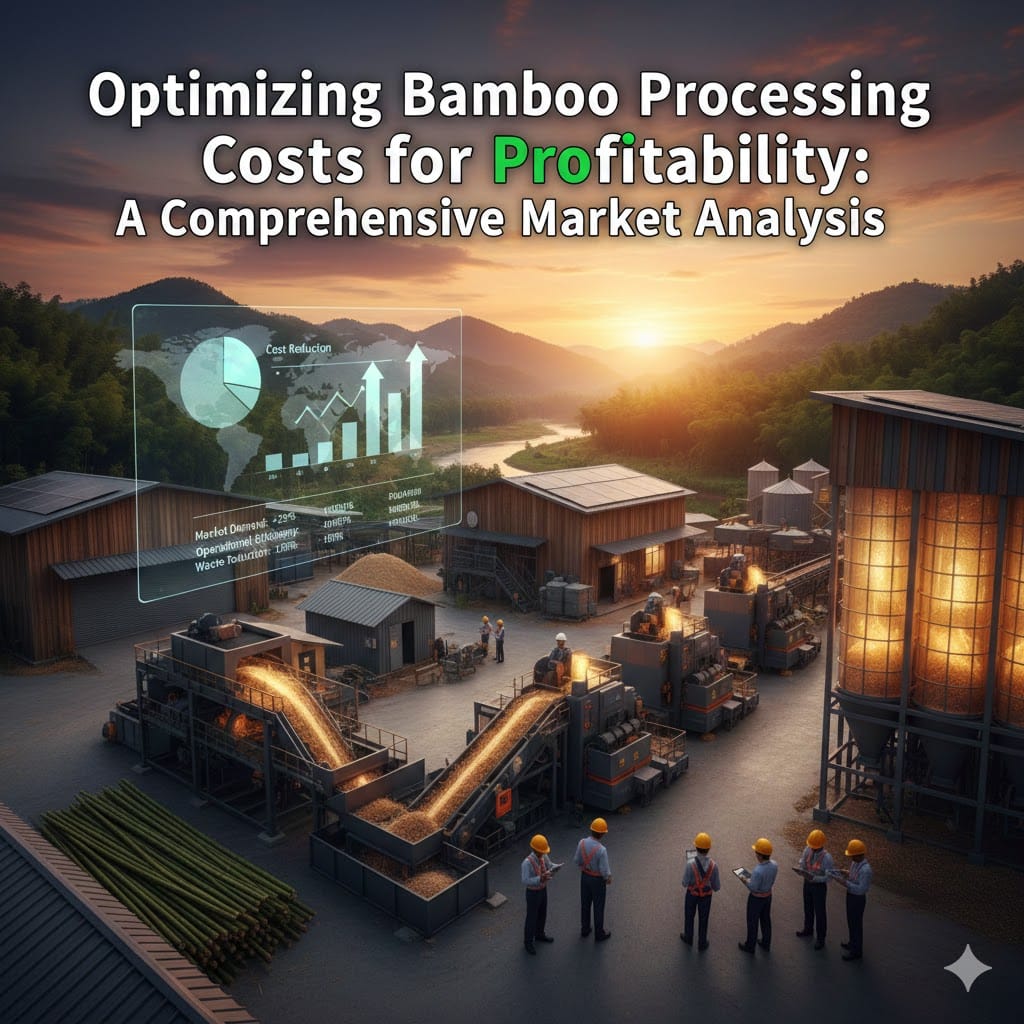
Bamboo Processing Costs for OEM Buyers: Materials, Samples and Production
Quick answer: Bamboo processing cost depends on the material construction, usable yield, machining, finish, quantity, inspection and packing. Compare suppliers using the same drawing and delivery terms. Separate one-time development costs from repeat unit costs before deciding which quotation is more economical.
What drives bamboo processing cost?
| Cost driver | Why it changes | What to ask |
|---|---|---|
| Material and layup | Panel size, thickness, layer construction, face selection and colour affect the starting material. | Which material and usable dimensions are included? |
| Cutting yield | Part nesting, grain direction, defects, kerf and offcuts affect how many accepted parts come from a panel. | Is the quotation based on the final cutting layout and grain requirement? |
| Drying and conditioning | The required material condition, processing route and rejected material affect production cost. | What condition is specified before machining and inspection? |
| Machining | Setup, toolpaths, holes, edge profiles, handling and tool wear vary with geometry and material. | Are programming, fixtures and repeat setup included or charged separately? |
| Finishing | Sanding, coating system, number of operations, curing and handling depend on the finish specification. | Which faces and edges are finished, and to what approval reference? |
| Inspection and packing | Measurement, sorting, protection, labels and carton or pallet design add work and materials. | What inspection and export packing are included in the unit price? |
On small screens, scroll the table sideways to compare the columns.
Separate sample development from repeat production
A sample order may include drawing review, machine programming, fixtures, trial material, finishing trials and courier delivery. These costs do not always recur at the same level in a repeat order. Ask which charges are one-time, which recur per batch and which are included in each finished unit.
Agree ownership and reuse of paid tooling or fixtures, the treatment of design revisions, and any sample-credit terms in the quotation. Do not assume samples are free or that a sample fee is automatically deducted from bulk production.
The sample request page and OEM manufacturing workflow explain what to define before releasing development work.
Compare the cost of accepted finished parts
Sheet price is only one input. A lower-priced panel may require more sorting, additional finishing or a less efficient cutting layout. Conversely, a higher material price may not be justified if your application does not need the quoted face grade or finish. Compare the specification needed for the part you will actually sell.
For example, a rectangular shelf cut from an available panel and an irregular component with routed slots and a coated edge have different production steps. Ask for separate prices for material, processing and packing where that detail helps explain the difference. This is a comparison method, not a standard price list.
Build an order-cost comparison without double counting
Order cost before excluded logistics and taxes = one-time development and setup charges + quantity × quoted finished-unit price + separately charged order items.
Then add only the freight, insurance, clearance, duties, local delivery or other charges excluded under the quotation’s Incoterm and named place. Use the same currency, quantity, destination and validity date for competing offers. If the price already includes packing or freight, do not add it again.
For imported panels, confirm classification and construction before estimating duties. The tariff and EUDR guide explains why an all-bamboo panel and a wood-core panel need different scope checks.
Manufacturing efficiency: measure before claiming savings
For a bamboo processing plant, track input material, accepted output, scrap, rework, energy use, cycle time and downtime by product and batch. Compare like-for-like specifications before attributing a cost change to a dryer, press, adhesive or toolpath. A saving per raw sheet can disappear if finished-part yield falls.
Equipment payback needs an actual investment quote, utilisation estimate, operating costs and demand forecast. This guide does not assign a universal saving percentage or return on investment to bamboo processing equipment.
What a useful RFQ should contain
- Material type, full layer construction, panel or part dimensions and drawing revision.
- Visible faces, grain direction, colour range, finish and edge treatment.
- Critical tolerances, inspection criteria and required product documents.
- Sample quantity, trial order quantity and realistic repeat-order quantities.
- Packing and labelling requirements, destination and requested delivery terms.
Send this brief to HTR Bamboo for a specification-based quotation. Ask us to identify the development charges, included production operations and delivery assumptions so you can compare the complete order cost.
Prepare your cost comparison: Use the technical catalogs to define the material and the panel types guide to compare constructions.
For bulk and OEM orders, visit HTR Bamboo’s OEM bamboo products for B2B wholesale and OEM, or request a quote.
Share This Story, Choose Your Platform!
About the Author: HTR Bamboo Editorial Team

Related Posts


On this page
Need bamboo specifications?
Latest Posts
Copyright 2020 – 2030 HTR Bamboo
All Rights Reserved!

 English
  German
  Spanish
  Vietnamese