Strand-Woven Bamboo Flooring: A 2026 B2B Buyer’s Guide
Strand-woven bamboo flooring is a high-density bamboo construction made by shredding bamboo fibres, combining them with an adhesive system and compressing them under heat and pressure. It can suit high-traffic residential and commercial applications, but hardness, emissions and trade treatment are product- and classification-specific. This guide covers how it is made, the specifications and finishes to ask for, the evidence buyers should request and how to source it as a B2B buyer.
What strand-woven bamboo flooring is
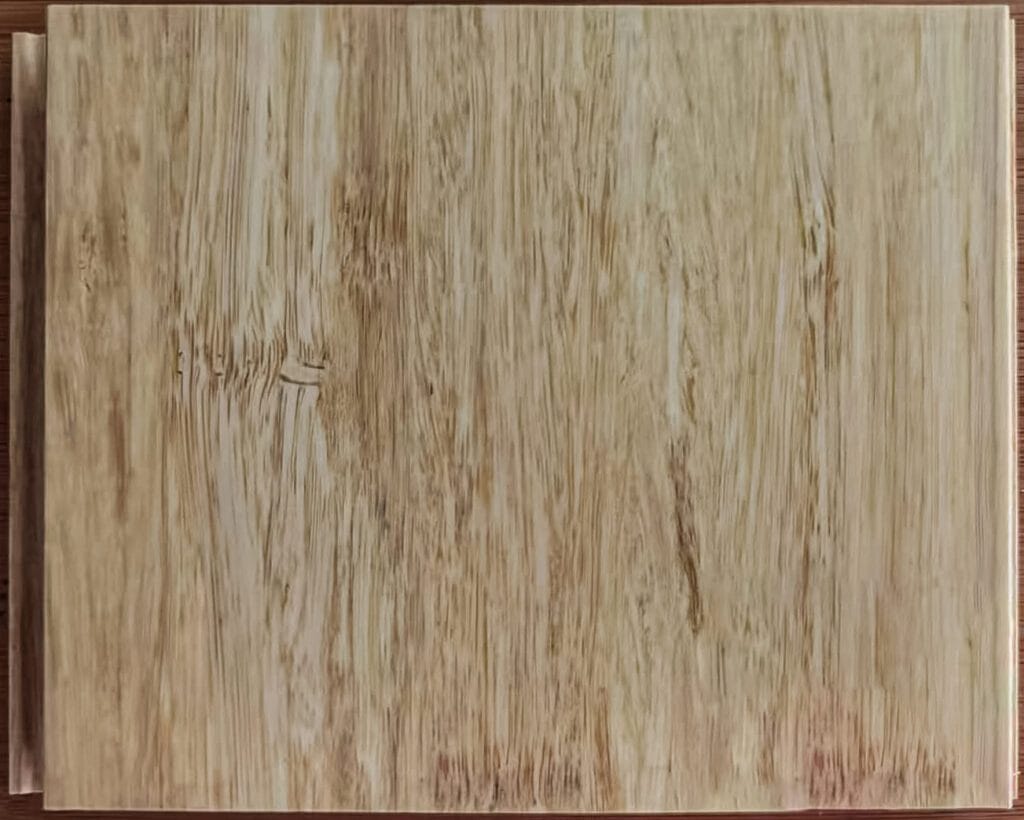
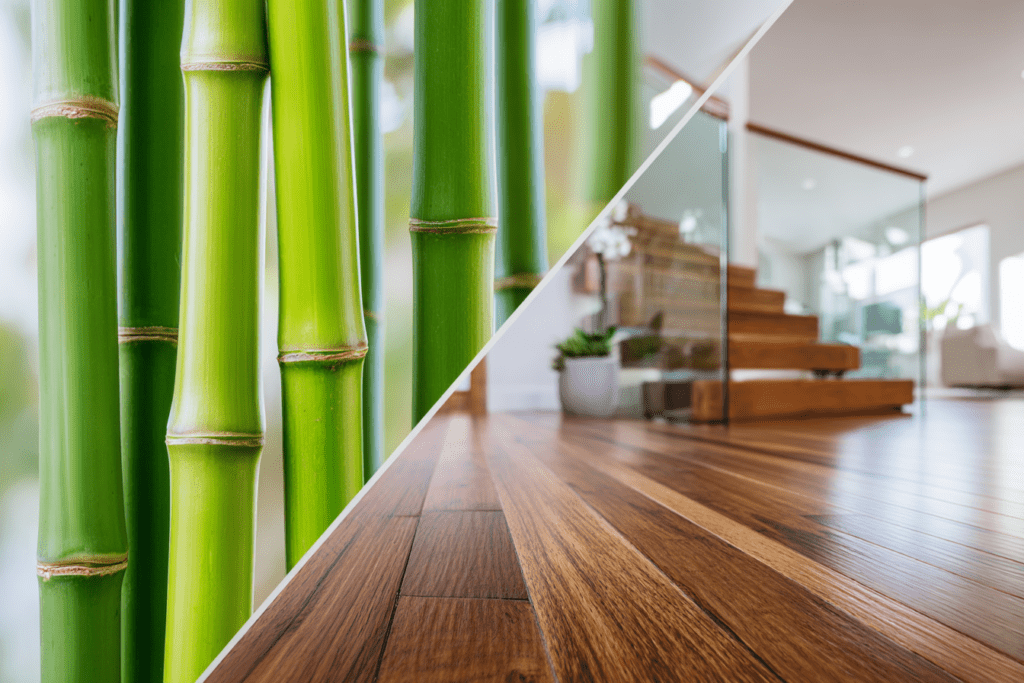
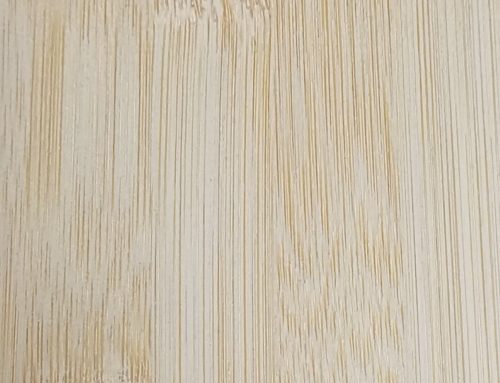
There are three common bamboo floor constructions: horizontal, vertical and strand-woven. Horizontal and vertical floors glue whole bamboo strips together, while strand-woven flooring compresses shredded bamboo fibres into a denser board. The 1,050 to 1,200 kg/m³ range is a reference range for some constructions; request order-matched density and performance data. The construction can produce a more uniform grain than strip bamboo, subject to the approved sample.
HTR Bamboo supplies both strand-woven and classic bamboo flooring in natural, carbonized, and champagne tones, with smooth or wire-brushed surfaces.
How hard is it?
Hardness is usually measured on the Janka scale. Strand-woven bamboo is often positioned among high-hardness flooring options, but exact results vary by product, finish, test method and board. Treat the table below as reference ranges and confirm the report for the specific board you order.
| Flooring material | Typical Janka hardness (lbf) |
|---|---|
| Strand-woven bamboo | about 3,000 to 5,000 |
| Hard maple | about 1,450 |
| Red oak | about 1,290 |
| Horizontal / vertical bamboo | about 1,300 to 1,400 |
For importers serving busy retail, hospitality, office, or rental projects, that hardness is the main reason strand-woven sells at a premium over strip bamboo and many hardwoods.
Specifications and options to ask for
- Thickness: usually 10mm to 15mm for indoor flooring. Outdoor decking grades run thicker.
- Profile: tongue-and-groove or click-lock for floating installation.
- Colour: natural, carbonized (darker, heat-treated), and champagne, plus stained options for OEM orders.
- Surface: smooth, wire-brushed, or hand-scraped.
- Use: indoor flooring, and outdoor strand-woven decking for terraces and balconies.
- Moisture content: confirm a stable range (commonly 6 to 10 percent) for your climate.
Certifications, emissions, and trade rules
For Europe and Australia, buyers commonly verify composition, sustainability evidence, formaldehyde emissions and the destination requirements before contracting. Customs clearance and specification acceptance depend on the exact product, documents, classification and importer or broker review.
- FSC Chain of Custody. Confirm whether the quoted product and supply chain are eligible for the requested FSC claim and ask for the applicable licence wording and evidence. See our certifications.
- Emissions evidence. E0, E1 or another emissions requirement must be matched to the quoted adhesive, construction, test method and destination. Request the current SGS, BV or other applicable report with the order file.
Trade treatment depends on the current rule, product composition and tariff classification. Do not assume that a bamboo flooring order is inside or outside a regulation or duty measure; review the applicable rule and confirm classification with your customs broker. For background, see our guide on bamboo plywood tariffs and the EUDR.
How to source strand-woven bamboo flooring
A simple process for B2B buyers:
- Verify certifications. Ask for the FSC licence number and emission-grade test reports before anything else.
- Request samples. Check colour consistency, surface finish, and the lock or tongue-and-groove fit.
- Confirm the specs. Janka figure, thickness, moisture content, and warranty for the exact board.
- Agree MOQ and pricing. Request EXW, FOB or DDP only where the route and seller scope support it, then compare the quote-specific landed cost.
- Plan logistics. Confirm container loading quantity, lead time, and packing for your destination. See shipping, MOQ and lead times.
- Build a long-term supply. Prioritise an evidence-backed supplier whose approved sample, specification and repeat-order controls match your market.
Why B2B buyers choose HTR Bamboo
For flooring buyers, HTR Bamboo offers the following program elements for review against the target market and order:
- Strand-woven and classic bamboo flooring, plus outdoor decking, in custom colours and profiles.
- FSC claim review and E0/E1 or other emissions evidence where the quoted construction, licence scope and destination support it.
- OEM and private-label production, with related bamboo plywood and bamboo veneer paths for buyers evaluating adjacent products.
- Route-specific EXW, FOB or DDP quotations and the export or packing documents agreed for the destination.
Frequently asked questions
Get bulk pricing or request free samples
Tell us your colour, thickness, quantity, and destination port. We will confirm specification, pricing, and lead time.
Sources & further reading: European Commission, EUDR, Janka hardness test.
Share This Story, Choose Your Platform!
About the Author: HTR Bamboo Editorial Team

Related Posts
On this page
Need bamboo specifications?
Latest Posts
Copyright 2020 – 2030 HTR Bamboo
All Rights Reserved!

 English
  German
  Spanish
  Vietnamese