Are Bamboo Plates Safe for Kids? Material and Buyer Guide
Reviewed: 14 August 2026.
Quick answer: a bamboo label does not prove that a plate is safe for a child. The answer depends on what the article is made from, including its binder, resin, coating and pigments, as well as the food, temperature, contact time and cleaning method. Solid or laminated bamboo is different from a molded plastic composite that contains bamboo powder. Check the instructions and evidence for the exact product, not the material name alone.
This distinction matters to parents and to companies developing children’s tableware. Two products can both be sold as “bamboo plates” while having very different constructions and care limits. A useful review starts with the bill of materials, then checks the intended use and destination-market requirements.
The label is not the material
Ask which of these descriptions applies before judging a product:
| Construction | What to verify | Why it matters |
|---|---|---|
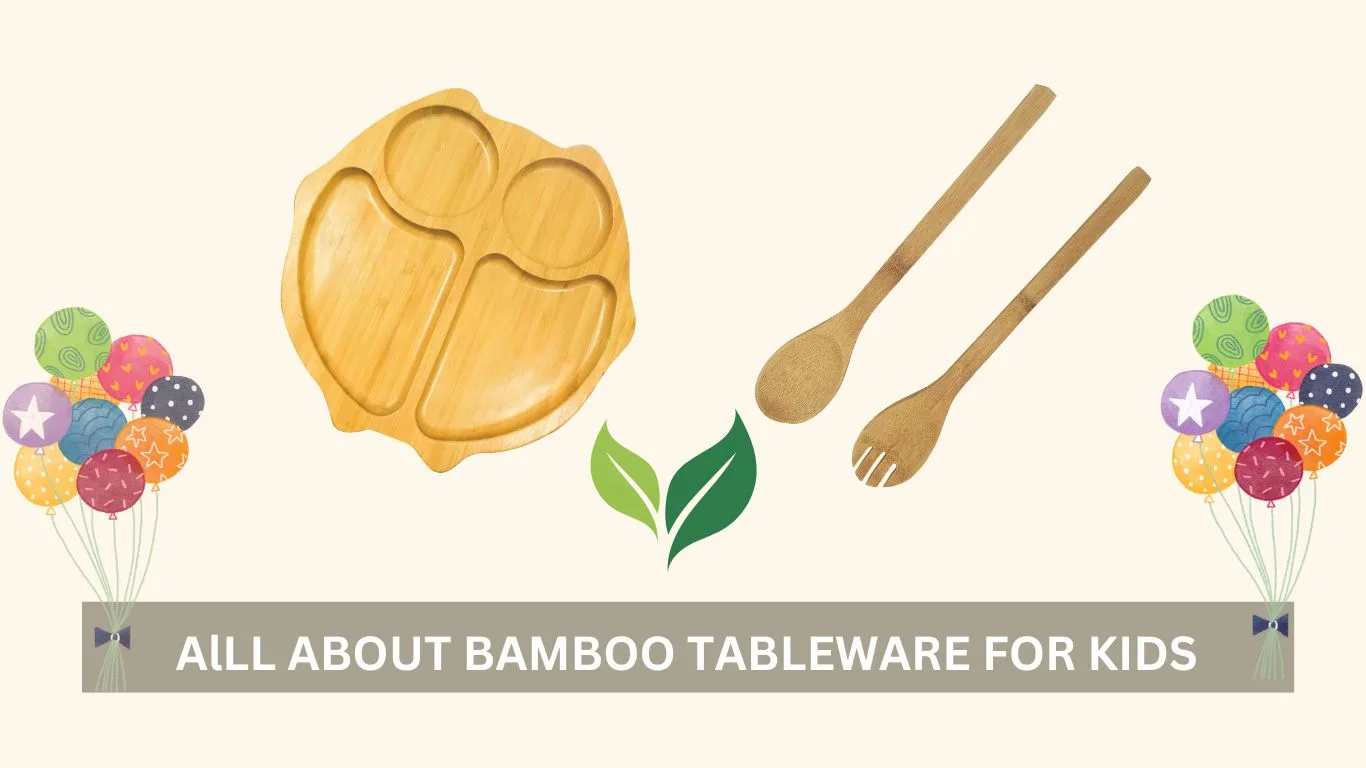
| Solid or laminated bamboo | Bamboo construction, adhesive, coating, pigments and food-contact surface | The bamboo may be visible, but the other components still need an intended-use review. |
| Bamboo-fibre plastic composite | Polymer or resin, bamboo filler, additives, migration evidence and market status | This is a plastic food-contact article with plant material added. It is not the same as solid bamboo. |
| Coated or mixed-material article | Every layer or component that can contact food, including inks and surface finishes | A compliant base material does not automatically cover a different coating or decoration. |
No row in this table is automatically safe or unsafe. It tells you which evidence to request.
Are bamboo plates safe for kids?
There is no reliable category-wide yes or no. A plate may be suitable when its exact materials are lawful for the intended food-contact use, the evidence covers the finished article or relevant components, and the product is used within its tested temperature, time and care conditions. The same conclusion should not be copied to another formula, factory, coating or use case.
For an item already in the home, use the manufacturer’s instructions. Confirm the material and model, follow the stated heat and cleaning limits, and stop using an article if its structure or food-contact surface is damaged. If the composition or instructions are missing, ask the seller or the relevant local food-safety authority. This page is general procurement information, not a safety determination for a particular household product.
Microwave and dishwasher claims need product evidence
Do not infer microwave suitability from the word bamboo. The U.S. Food and Drug Administration says food and drinks should not be heated on melamine-based dinnerware in microwave ovens. It also advises that plastic tableware without a microwave-safe statement should not be used to heat food or drinks. See the FDA’s melamine tableware questions and answers.
Dishwasher suitability also depends on the construction. Repeated heat, water and detergent may affect a coating, adhesive or composite differently from a solid piece. Buyers should set a care claim only after the exact article has been reviewed or tested for that use. Consumers should follow the product label.
What U.S. buyers should check
FDA explains that the regulatory status of a food-contact material depends on the status of each substance that is reasonably expected to migrate to food under its intended use. A Food Contact Notification can also be specific to the manufacturer, substance and stated conditions of use. The phrase “FDA approved” is therefore not a substitute for identifying the component, regulatory basis and intended conditions.
For a U.S. program, ask for the complete food-contact construction and the basis used for each relevant component. Match that information to the food type, temperature, contact duration and repeated-use conditions. FDA’s current references include determining the regulatory status of food-contact material components and its overview of food chemical safety.
What EU buyers should check
The European Commission states that food-contact materials placed on the EU market must comply with Regulation (EC) No 1935/2004 and must be manufactured under the applicable good manufacturing practice rules. Specific Union or national rules may also apply to the material. Start with the Commission’s food-contact materials overview.
The construction distinction is especially important in the EU. The Commission’s Bamboo-zling enforcement page covers plastic food-contact articles containing unauthorised bamboo or other plant-based additives. It distinguishes those products from articles made entirely from plant material. That distinction does not make a solid bamboo article automatically compliant; the buyer still needs the evidence required for its materials, finish and intended market.
OEM evidence checklist for children’s tableware
A usable RFQ should request more than a generic “food grade” statement. Send or confirm:
- Exact construction: solid or laminated bamboo, composite formula, adhesive, resin, coating, pigments and decoration.
- Intended use: food types, maximum and minimum temperatures, contact time, repeated use, microwave or dishwasher claim, and target age group.
- Destination: country or market where the item will be imported and sold.
- Evidence scope: test report, declaration or regulatory basis tied to the exact material, supplier, SKU and stated conditions.
- Change control: how substitutions to resin, coating, pigment or factory are approved and recorded.
- Traceability: production batch, inspection record, packaging copy and care instructions.
- Commercial inputs: drawing, size, quantity, packaging, delivery destination and target schedule.
This is the same practical advantage visible in strong industrial bamboo catalogs such as MOSO’s: buyers can see construction and use information before they ask for a quote. HTR applies that discipline to a custom inquiry without inventing a stock code or promising that one report covers every order.
How HTR handles a tableware inquiry
HTR Bamboo can review manufacturability, material options, packaging and the order-specific evidence available from the proposed supply chain. HTR does not determine a child’s medical safety and does not replace the importer, brand owner, test laboratory or market authority. The final product, claims and compliance file must match the destination and intended use.
Request an OEM material and evidence review
Send the drawing, exact material or formula, intended food and temperature, destination market, quantity and packaging requirements. We will identify the missing manufacturing and document inputs before quotation.
Request a tableware OEM review
You can also review HTR’s OEM and wholesale product path, certification scope and shipping inputs.
Frequently asked questions
Are bamboo plates automatically safer than plastic?
No. “Bamboo” does not describe the full material system, and “plastic” covers many different materials and authorised uses. Compare the exact construction, food-contact components and conditions of use.
Can a bamboo plate go in the microwave?
Only use an article in a microwave when the manufacturer identifies that exact product as suitable. FDA advises against heating food on melamine-based dinnerware and against heating in plastic tableware that is not marked microwave-safe.
Can bamboo tableware go in a dishwasher?
Do not assume it can. Follow the care instructions for the exact product. A dishwasher claim should account for the coating, adhesive or composite and repeated wash cycles.
Does one test report cover every bamboo plate?
No. Check whether the report covers the same material formula, coating, pigment, factory, dimensions and intended conditions. A change to one of those inputs may require a new assessment.
What should a buyer send with an OEM inquiry?
Send the drawing, bill of materials, intended food and temperature, target age, destination market, quantity, packaging and required claims. If the material is not fixed, state that clearly so the construction can be reviewed before testing or quotation.
Sources and review boundary
- U.S. FDA: Melamine in Tableware Questions and Answers
- U.S. FDA: Determining the Regulatory Status of Components of a Food Contact Material
- U.S. FDA: Food Chemical Safety
- European Commission: Food Contact Materials
- European Commission: Bamboo-zling enforcement action
Regulatory requirements can change and may differ by country, product and use. Confirm the current requirements with the responsible authority or qualified adviser before placing a product on the market.
Share This Story, Choose Your Platform!
About the Author: HTR Bamboo Editorial Team

Related Posts

On this page
Need bamboo specifications?
Latest Posts
Copyright 2020 – 2030 HTR Bamboo
All Rights Reserved!

 English
  German
  Spanish
  Vietnamese