Bamboo vs. Maple: Which Deck Material Wins for Longboards & Snowboards?
The market size of sustainable sports was valued at USD 26.24 billion in 2024 and is expected to see a compound annual growth rate of 7.9% by 2032. (1)
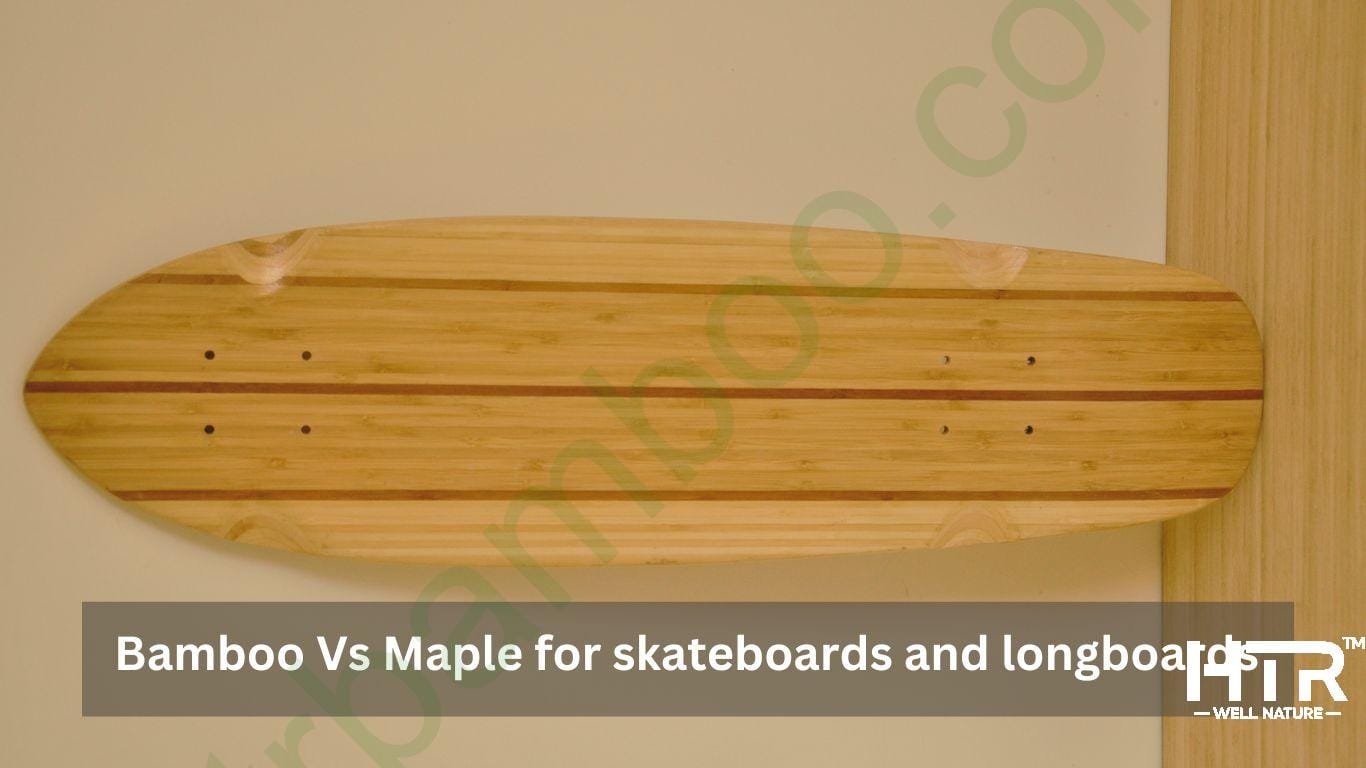
While the demand for sustainable equipment like bamboo longboards and snowboards is rising, many people are still debating the efficiency and durability of bamboo vs. maple. After all, you deserve a deck built to help you ride your best on all terrains.
In this blog, we will help you understand the pros and cons of using bamboo plywood for sports equipment like snowboards and longboards. We will discuss their features, costs, sustainability, and performance to help you choose a material that suits your riding style.
Let's begin!
Bamboo vs. Maple - Performance comparison
This table should give you a quick overview of the key features of the two most popular deck materials.
| Feature | Bamboo | Maple |
| Weight | Weight depends on layup and finished deck design | Weight depends on layup and finished deck design |
| Durability | Impact behaviour depends on layup, adhesive and design validation | Impact behaviour depends on layup and design validation |
| Flexibility | Flex behaviour depends on layup and geometry | Flex behaviour depends on layup and geometry |
| Pop | Pop depends on layup and rider setup | Pop depends on layup and rider setup |
| Shock absorption | Ride feel depends on layup, geometry and setup | Ride feel depends on layup, geometry and setup |
| Riding experience | Smooth | Stiff |
| Lifespan | No universal service-life figure; use and maintenance control outcomes | No universal service-life figure; use and maintenance control outcomes |
| Sustainability | Verify sourcing and footprint evidence for the product | Compare sourcing and footprint evidence for the product |
| Cost | Order-specific; request a quote | Order-specific; request a quote |
Pro tip: If you are interested in buying bamboo furniture, read our detailed blog on the cost, durability & sustainability breakdown of bamboo versus hardwood.
Now, let’s dive into the details of the bamboo longboard vs. maple comparison.
Weight
Finished weight is a design outcome; compare the complete deck layup rather than assume bamboo is lighter.
A lighter finished deck may change swing weight and handling, but maneuverability and stability depend on the complete layup, geometry and riding setup.
Perceived stability and push effort depend on deck geometry, layup, rider and conditions; validate the complete design.
Durability
Density alone does not establish durability. Suitability for aggressive riding requires design validation and impact testing for the complete deck.
Bamboo deck impact behaviour depends on the layup, adhesive, geometry and service conditions. Validate the intended riding case before production.
Flexibility
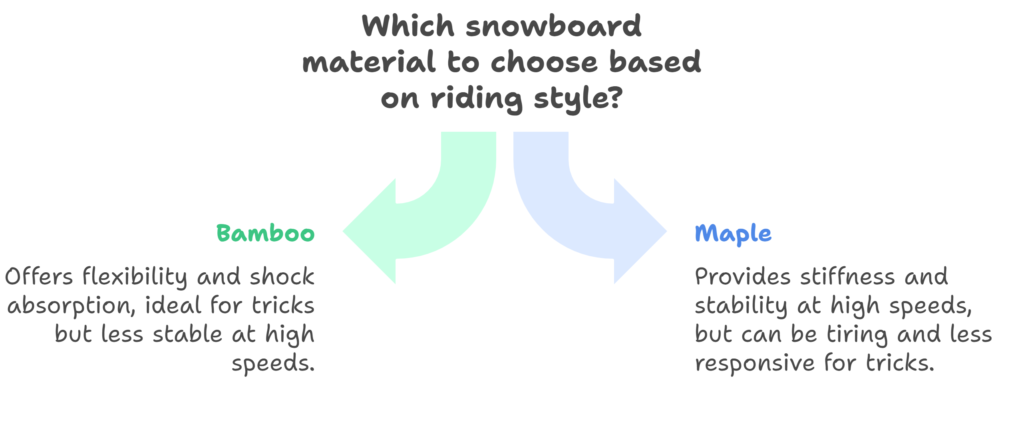
Flexibility is a crucial factor when comparing bamboo vs maple snowboards. Flex and rebound are design outcomes; validate the layup and geometry on a representative deck before production.
High-speed stability, comfort and rebound depend on the complete deck design and rider setup; do not infer them from species alone.
Pop
Due to its natural elasticity, bamboo rebounds easily, making it easier to perform flying and landing tricks. The pop could be ‘snappy,’ but it's also smooth and forgiving, perfect for beginners and casual riders.
Pop and rebound depend on the complete layup, compression, geometry and rider setup; validate them on a representative deck rather than infer them from maple species.
Shock absorption and riding experience
Ride feel and shock response depend on layup, geometry, damping, setup and surface conditions; compare matched prototype decks rather than assign a universal advantage to bamboo or maple.
Maple and bamboo should be compared using matched deck designs, test conditions and riding targets; species alone does not establish effectiveness.
Lifespan
Service life varies with layup, impacts, moisture, storage, use and maintenance; do not use a universal year range.
Approve a representative design and define inspection and maintenance requirements for the intended service conditions.
Sustainability
Here’s a brief overview of bamboo vs. maple sustainability.
| Sustainability feature | Bamboo | Maple |
| Growth rate | Species and management determine harvest cycle | Forest species and management determine harvest cycle |
| Harvesting practice | Harvest and soil outcomes depend on species, management and site practices. | Forest impacts depend on species, management and sourcing evidence. |
| Environmental impact | Environmental inputs depend on management and site conditions. | Forest management and supply-chain evidence should be compared. |
| Carbon footprint | Compare verified lifecycle or biogenic-carbon evidence | Compare verified lifecycle or biogenic-carbon evidence |
Here are some more benefits of using bamboo as a sustainable substitute for wood.
Sourcing and environmental statements should be matched to the current certificate, facility and product evidence; compare verified management, lifecycle or biogenic-carbon records for the quoted construction.
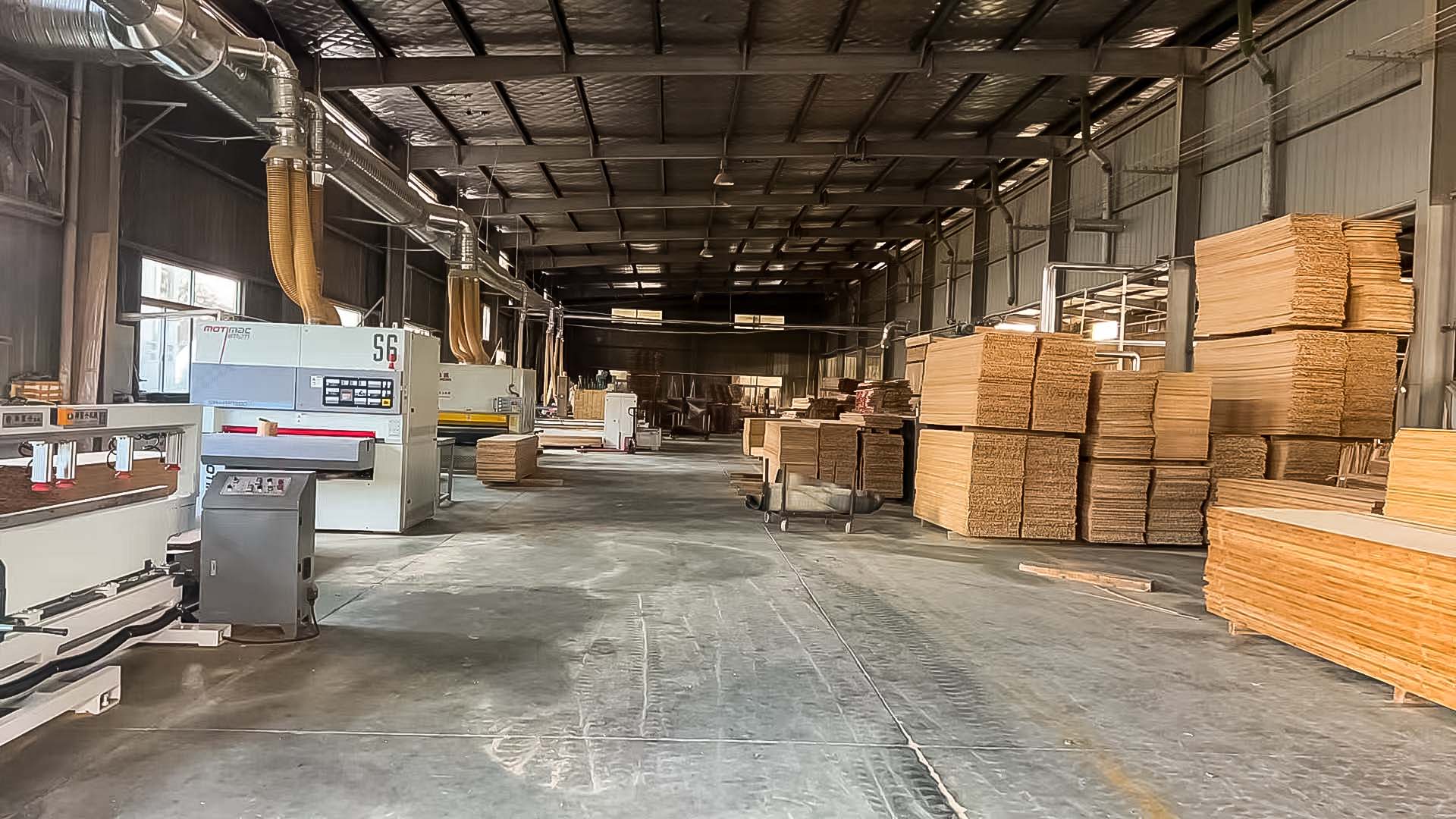
For the quoted construction, request the applicable sourcing, labour and facility evidence. HTR manufactures bamboo plywood, bamboo veneers, bamboo crafts, and more.
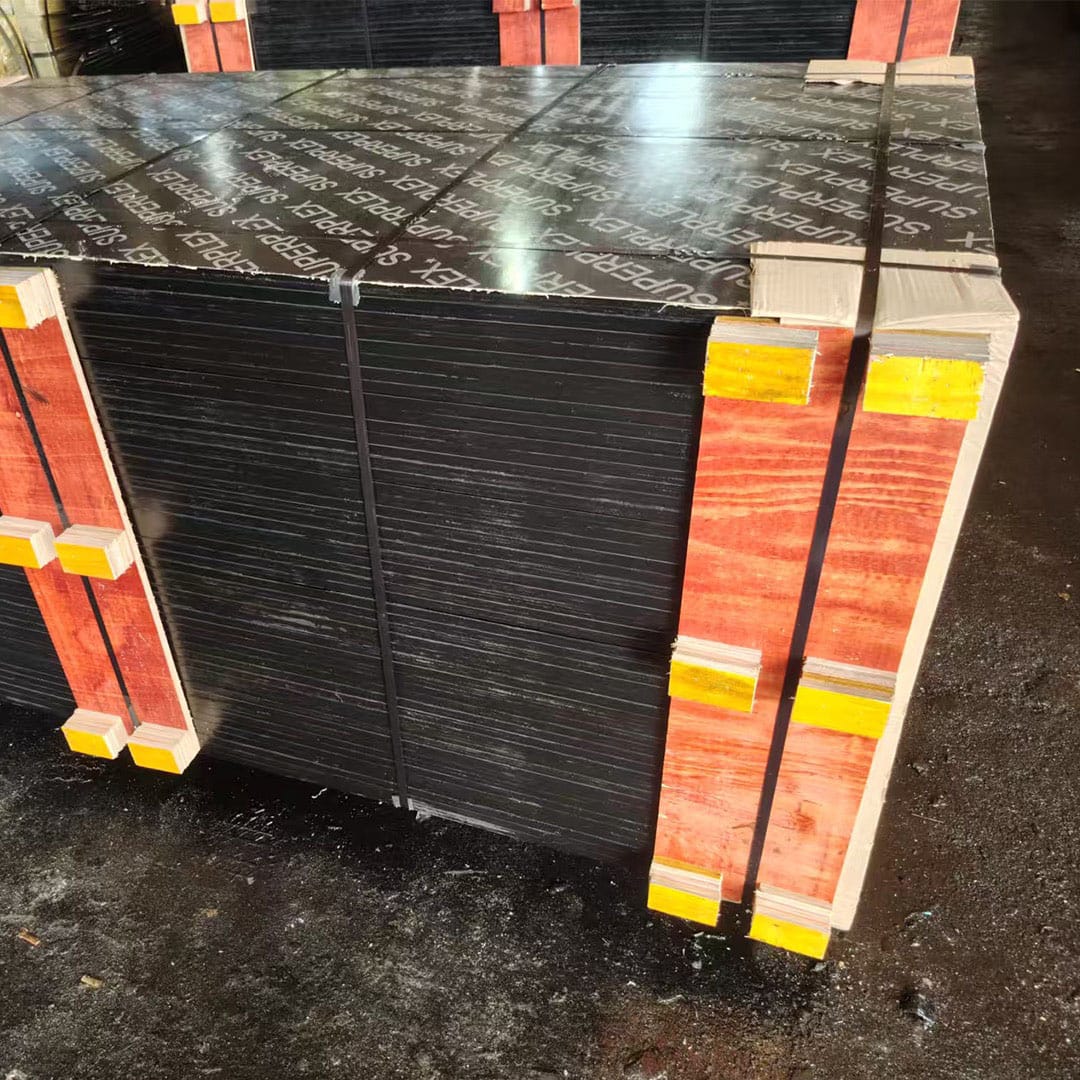
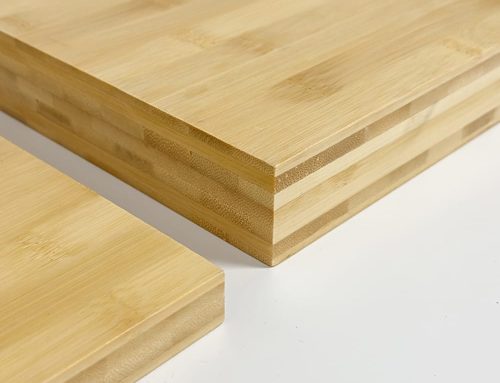
Our bamboo plywood for making longboards and snowboards
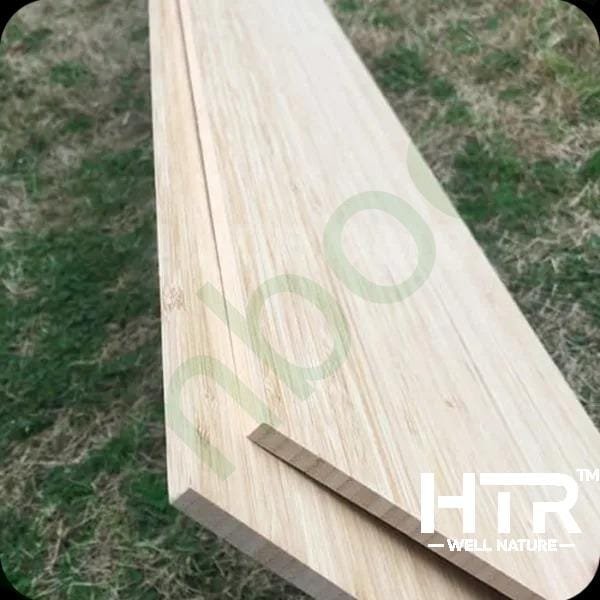
We manufacture plywood in several thicknesses, ranging from 0.5mm to 11.5mm, and layers. Our 4- and 5-layer plywood is ideal for skateboards and longboards. Confirm the sourcing and certificate scope for the quoted construction; do not infer it from a general product page.
For an OEM or bulk specification, send the layup, thickness, dimensions, finish, quantity, destination and riding target so the available construction and representative sample can be reviewed.
Reference constructions: 2–3 mm longboard plywood, 4 mm longboard plywood and 5 mm longboard plywood. These are reference pages; confirm the exact layup, tolerance, finish, quantity and sample acceptance before production.
Now, let's look at the final factor of bamboo longboard vs maple comparison: the cost.
Bamboo plywood for sports versus maple - Cost Analysis
Production cost
Material sourcing, harvest cycle and processing requirements depend on species, management and supply chain; verify the evidence for the quoted product.
Construction, adhesive and pressing are configuration-specific. Do not assume a formaldehyde-free adhesive or finished strength without order-matched documentation.
Pricing is not comparable from a generic article: quote depends on construction, thickness, finish, quantity, destination and current logistics.
Maintenance cost
Maintenance requirements depend on the finish, design, exposure and use. Confirm the care plan for the complete deck.
Bamboo vs Maple snowboards - What to choose
The choice between bamboo and maple decks depends on your riding style.
Bamboo may suit a project when the layup and riding target are validated; consider it when you:
- Prefer carving and cruising, dancing and flowing styles
- Ride long distances
- Prefer a responsive pop
- Need a sourcing story supported by product evidence
Maple may suit a project when its layup and riding target are validated; consider it when you:
- Perform high-impact, street style tricks
- Prefer consistent, predictable pop
- Travel at high speed or prefer downhill and freeride
Longboard OEM comparison checklist
Before choosing bamboo or maple, compare the complete deck design rather than the species alone.
- Construction: record layup, thickness, adhesive, pressing, geometry and finish.
- Validation: approve a representative sample and define flex, impact, pop, damping and inspection criteria for the intended riding target.
- Commercial evidence: compare matched sourcing, footprint, test conditions, MOQ, lead time, packing and destination requirements.
- RFQ: send the target use, dimensions, quantity and destination for a written comparison.
Request a matched-deck comparison and quote →
Wrap up
Both bamboo and maple can fit different deck designs. Choose using matched sourcing, footprint, performance and service-condition evidence for the intended riding target.
Approve a representative design and document the comparison before production.
Send your specification for a quote or representative sample.
Request a representative bamboo plywood sample before production →
For bulk and OEM orders, visit HTR Bamboo's skateboard and longboard bamboo plywood for B2B wholesale and OEM, or request a matched-deck comparison and quote.
Share This Story, Choose Your Platform!
About the Author: HTR Bamboo Editorial Team

Related Posts
On this page
Need bamboo specifications?
Latest Posts
Copyright 2020 – 2030 HTR Bamboo
All Rights Reserved!

 English
  German
  Spanish
  Vietnamese