3mm thin bamboo plywood for OEM and wholesale projects
Thin-panel sourcing note | OEM and wholesale
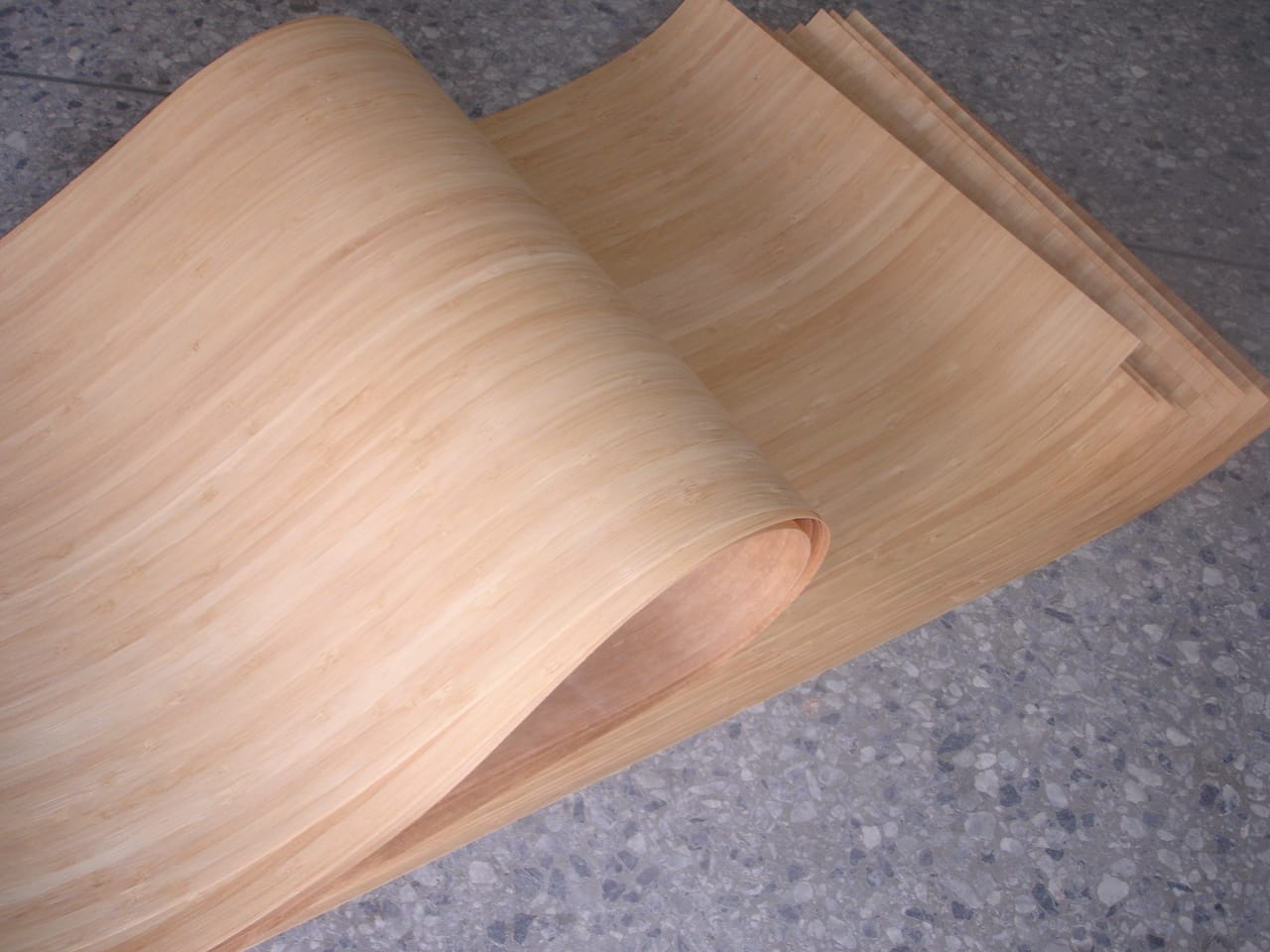
Quick answer: HTR is a thin bamboo plywood supplier for OEM projects, including 3mm panels and 1.6-3.0mm skateboard material. Treat 3mm as a target thickness, not a complete product description. The quotation must also lock the layup, grain, sheet or part size, tolerance, adhesive, surface, packing and intended process. Approve a sample before volume production.
What HTR can quote
Thin bamboo sheet options, with the build confirmed per order
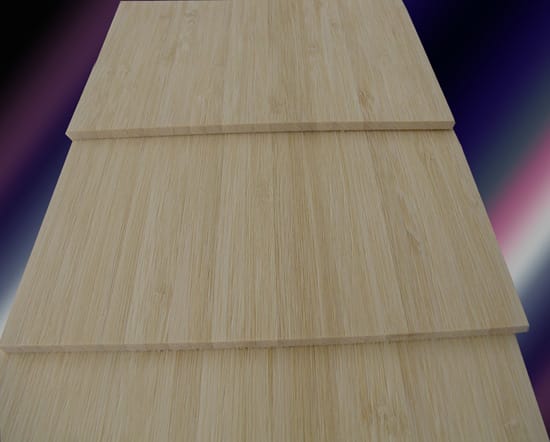
HTR’s published bamboo plywood range includes 1.5, 2, 3, 4 and 5mm options. A separate product record covers 1.6-3.0mm bamboo plywood for skateboard layups. Those references establish the available thin range, but they do not make every construction interchangeable. The application decides what HTR should sample and quote.
Choose the material class first
3mm plywood, bamboo veneer and thicker panels solve different problems
| Material | What the buyer is specifying | Typical purchasing question | What to verify |
|---|---|---|---|
| 3mm thin bamboo plywood | A thin laminated sheet or OEM component with a defined build. | Will this layup stay suitable through cutting, bonding, forming or assembly? | Layer build, grain, flatness, tolerance, adhesive, support and sample performance. |
| Bamboo veneer | A decorative bamboo face that normally needs a substrate. | Does the project need a bamboo surface rather than a self-contained plywood part? | Veneer thickness, backing, substrate, adhesive, grain match and pressing process. |
| Thicker laminated panel | A panel with more section depth for furniture, cabinetry or machined parts. | Does the span, support and edge detail require more stiffness or visible thickness? | Construction, span, load, fixing, exposed edge, machining and finish. |
Six checks before sample approval
What should I check before ordering 3 mm bamboo plywood?
Define the application and support
State whether the sheet is a face layer, a pressed laminate, a cut OEM part or part of a composite layup. Include span, support and service conditions.
Lock the construction
Specify the layer build, grain direction, natural or carbonized appearance and which face is visible. Thickness alone does not define the panel.
Write the tolerance and flatness method
Give the accepted thickness range, sheet or part dimensions and how flatness will be measured after conditioning. State the conditioning method so the inspection can separate product flatness from handling or storage effects.
Describe the downstream process
Tell HTR whether you will laser cut, CNC machine, bond, press, coat or form the material. Test the real tool settings and adhesive system on the sample. For cut parts, prepare the revision, datums, grain and critical features with the CNC drawing and DFM checklist.
Approve measurable sample points
Record thickness in several locations, flatness after acclimation, surface and edge quality, cut quality, colour range and compatibility with the intended bonding or finishing process.
Confirm packing and order documents
Define sheet or part count, interleaving, corner protection, carton or pallet format, labeling and route. Ask only for certificates and reports that apply to the quoted configuration.
Buying route
Standard panel brand or custom manufacturer?
A standard panel brand is usually the simpler route when a published product code, local stock and quick like-for-like replacement matter most. A custom manufacturer is the better route when 3mm construction, dimensions, tolerance, grain, cut parts, branding or order-specific documents must follow a drawing. Compare the exact specification, sample route, evidence, MOQ, landed cost and responsibility boundaries. The brand name alone does not answer those questions.
| Buyer priority | Standard panel brand | Custom manufacturer |
|---|---|---|
| Published SKU and local replacement stock | Often the stronger fit. Confirm distributor inventory and revision. | Possible, but stock and replacement timing are order-specific. |
| 3mm layup, tolerance or cut parts to drawing | Limited to the listed product and processing offer. | Send the drawing and process brief for feasibility and sampling. |
| Documents | Use only the datasheet or certificate tied to the purchased SKU. | Use only the report, certificate claim or inspection record tied to the quoted build and order. |
| Commercial comparison | Compare local availability and replacement convenience. | Compare MOQ, sample cost, production scope, freight and landed cost. |
Sample approval
A useful sample has written acceptance points
Do not approve a thin panel because one piece looks good on arrival. Condition it in the intended environment, measure it, run the actual cutting or bonding process and keep the accepted sample or signed record as the production reference.
| Check | Record before production |
|---|---|
| Thickness | Measurement points, method, accepted range and whether the value is before or after sanding or coating. |
| Flatness | Sheet size, support method, conditioning time and maximum accepted deviation. |
| Appearance | Grain direction, natural or carbonized tone, face grade, colour range and edge appearance. |
| Processing | Tool, speed, cut or press result, edge integrity and any rejected defects. |
| Bonding or finish | Actual adhesive, substrate, pressure, cure, coating system and observed compatibility. |
| Packing | Interleaving, protection, label, unit count and acceptable arrival condition. |
RFQ checklist
What a 3mm bamboo plywood supplier needs in your RFQ
HTR cannot infer the correct layup from the words “3mm bamboo plywood.” Include the application and the downstream process so the quotation can define what will actually be supplied.
Include these fields
- Application and support conditions
- Finished sheet or part dimensions
- Target thickness and tolerance
- Layup, grain, colour and visible face
- Cutting, pressing, bonding or finishing process
- Quantity, packing and labeling
- Destination, schedule and trade term
- Sample and document requirements
3mm thin bamboo plywood questions
Share This Story, Choose Your Platform!
About the Author: HTR Bamboo Editorial Team

Related Posts
On this page
Need bamboo specifications?
Latest Posts
Copyright 2020 – 2030 HTR Bamboo
All Rights Reserved!

 English
  German
  Spanish
  Vietnamese