Bamboo Plywood Density, Weight and Container Loading: The 2026 Reference Chart
Bamboo plywood density falls into two clear classes. Plain-pressed and laminated panels (horizontal or vertical grain) run about 650 to 750 kg/m3. Strand woven bamboo runs about 1050 to 1200 kg/m3, roughly 60 percent heavier. In practice that means a standard 2440 x 1220 x 18mm laminated sheet weighs about 37.5 kg, while the same sheet in strand woven weighs 56 to 64 kg. This page collects the density figures, per-sheet weights, and container loading quantities we use every week when quoting bamboo plywood orders, so buyers, architects, and freight forwarders can pull real numbers from one place.
All weights below use the formula: weight (kg) = thickness (m) x 2.9768 m2 x density (kg/m3), where 2.9768 m2 is the face area of a standard 2440 x 1220 mm sheet. Figures for other sheet sizes scale linearly with area.
Bamboo Plywood Density by Panel Type
▶ Plan your load in 3D — free Bamboo Container Loading Calculator →
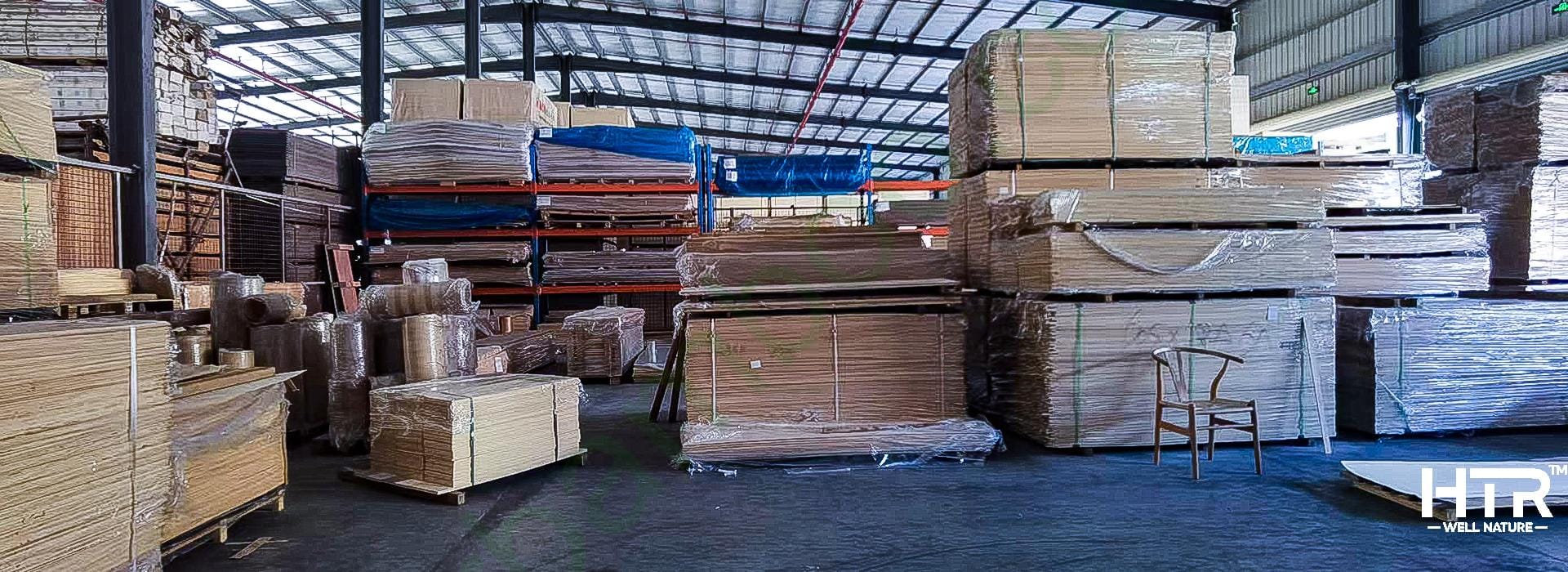
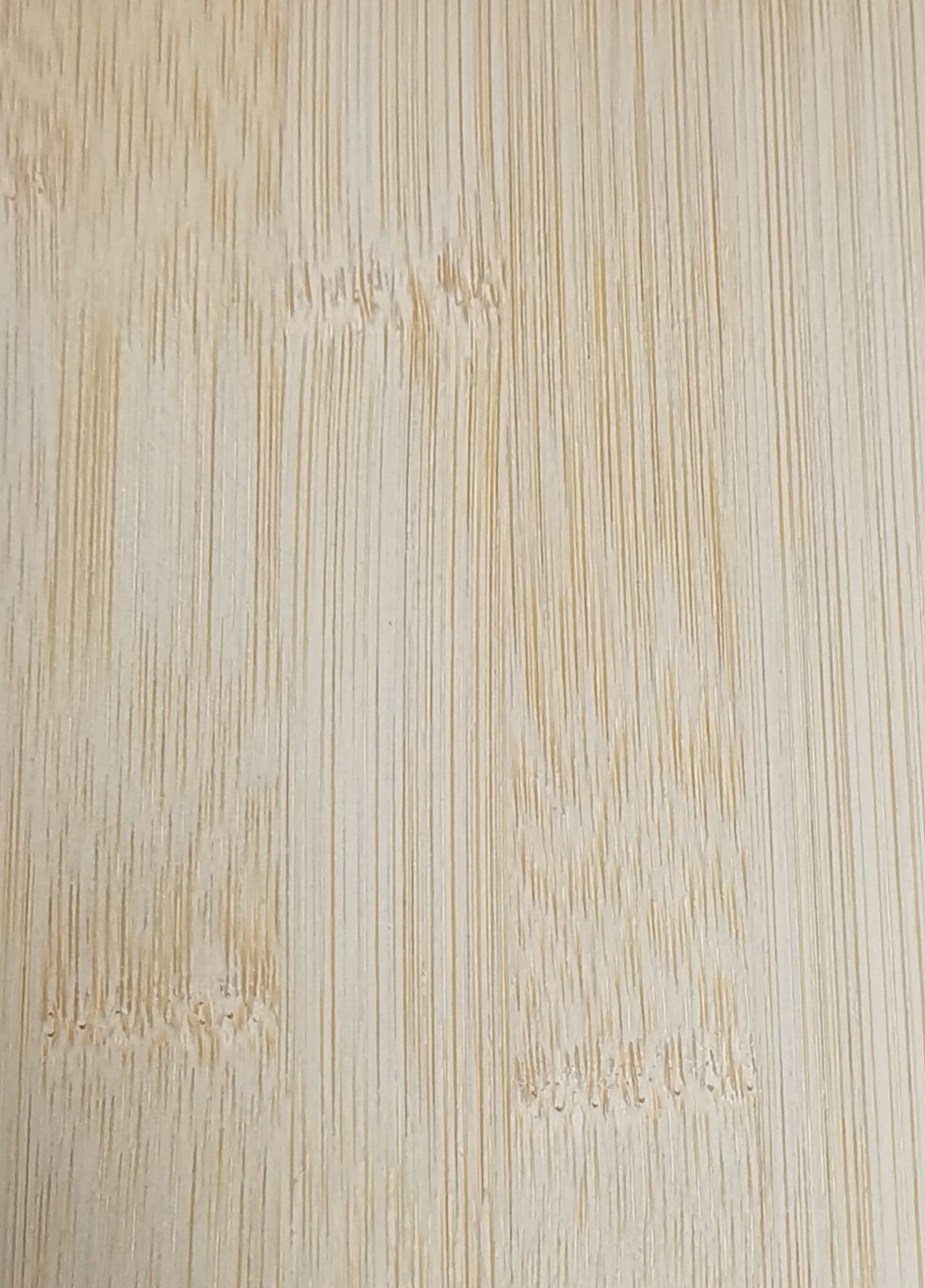
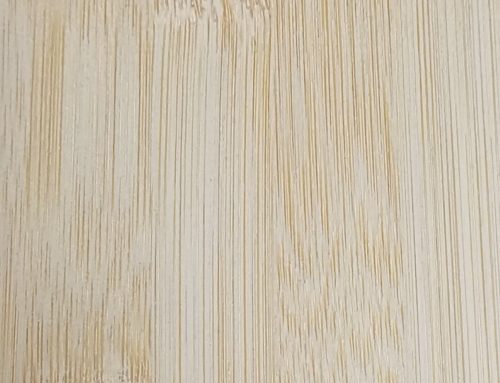
Density depends on how the bamboo is processed, and much less on the species or origin. Laminated panels are made from milled bamboo strips glued edge to edge or face to face, so the finished panel keeps a density close to natural bamboo culm material. Strand woven panels start as crushed bamboo fiber bundles saturated with resin and compressed under very high pressure, which packs far more fiber into the same volume. If you want the visual difference, our bamboo plywood page shows both constructions side by side.
| Panel type | Construction | Typical density | 18mm sheet weight (2440 x 1220) |
|---|---|---|---|
| Plain-pressed / laminated, horizontal grain | Flat bamboo strips glued face up | 650-750 kg/m3 | 34.8-40.2 kg |
| Laminated, vertical grain | Strips glued on edge | 650-750 kg/m3 | 34.8-40.2 kg |
| Strand woven bamboo | Compressed resin-saturated fiber | 1050-1200 kg/m3 | 56.3-64.3 kg |
Independent industry data agrees with these ranges. Bamboo Industry, a Chinese trade resource, lists strand woven bamboo lumber at densities above 1100 kg/m3, with some pressings reaching 1200 kg/m3 (source). Laminated bamboo panels from most Chinese mills, including ours, test between 650 and 750 kg/m3 depending on carbonization level and moisture content. Carbonized (caramel) panels sit slightly lower in the range than natural ones because the heat treatment reduces mass slightly.
For comparison, thin decorative bamboo veneer follows the laminated density class, and strand woven bamboo flooring uses the same high-density material described above, which is why it outperforms most hardwoods on indentation resistance.
Weight per Sheet: 3mm to 40mm Chart
The table below covers every standard thickness we produce, in the standard 2440 x 1220 mm format. The “typical” columns use 700 kg/m3 for laminated and 1100 kg/m3 for strand woven, which are the midpoints we quote against. The ranges show the honest spread you may see between production batches.
| Thickness | Laminated, typical (700 kg/m3) | Laminated range (650-750) | Strand woven, typical (1100 kg/m3) | Strand woven range (1050-1200) |
|---|---|---|---|---|
| 3 mm | 6.3 kg | 5.8-6.7 kg | 9.8 kg | 9.4-10.7 kg |
| 5 mm | 10.4 kg | 9.7-11.2 kg | 16.4 kg | 15.6-17.9 kg |
| 9 mm | 18.8 kg | 17.4-20.1 kg | 29.5 kg | 28.1-32.1 kg |
| 12 mm | 25.0 kg | 23.2-26.8 kg | 39.3 kg | 37.5-42.9 kg |
| 15 mm | 31.3 kg | 29.0-33.5 kg | 49.1 kg | 46.9-53.6 kg |
| 18 mm | 37.5 kg | 34.8-40.2 kg | 58.9 kg | 56.3-64.3 kg |
| 20 mm | 41.7 kg | 38.7-44.7 kg | 65.5 kg | 62.5-71.4 kg |
| 40 mm | 83.4 kg | 77.4-89.3 kg | 131.0 kg | 125.0-142.9 kg |
Two practical notes from the packing floor. First, moisture content moves these numbers by a few percent, so a container packed in humid August weighs a little more than one packed in dry January. Second, a single 40mm strand woven sheet weighs over 130 kg and needs two workers or a vacuum lifter to handle safely. Plan your warehouse accordingly.
Container Loading: 20’GP, 40’GP and 40’HQ
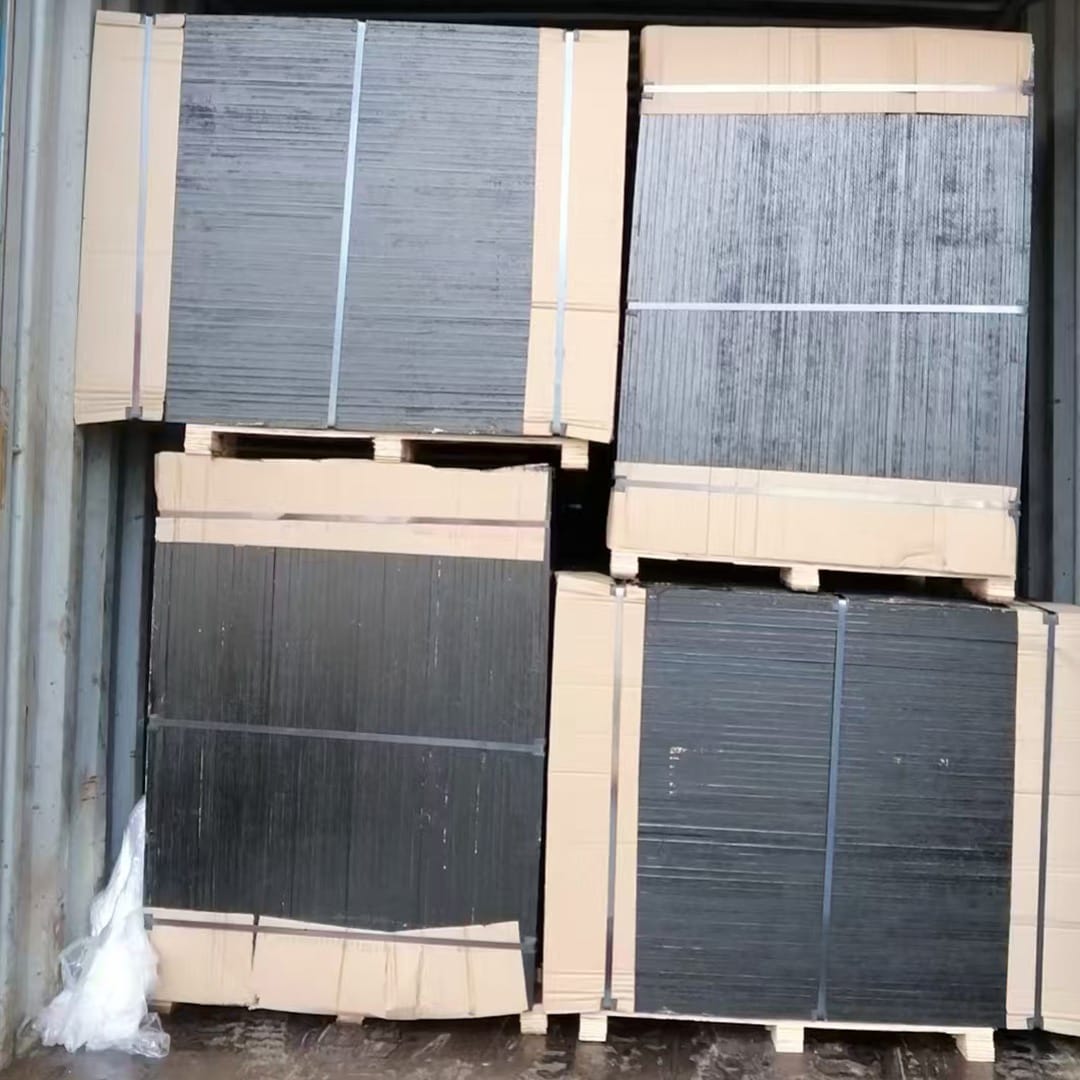
These are the loading quantities from our shipping and container loading guide, computed at roughly 700 kg/m3 for standard laminated panels in 2440 x 1220 mm format. A 40’HQ carries the same floor footprint as a 40’GP with extra height, but since panel cargo hits the weight limit before the roof, the practical quantities for 40’GP and 40’HQ are the same.
| Thickness | Approx. kg per sheet | Per 20’GP | Per 40’GP / 40’HQ |
|---|---|---|---|
| 3 mm | 6.3 | ~3,100 pcs | ~4,150 pcs |
| 5 mm | 10.4 | ~1,880 pcs | ~2,490 pcs |
| 9 mm | 18.8 | ~1,040 pcs | ~1,380 pcs |
| 12 mm | 25.0 | ~780 pcs | ~1,030 pcs |
| 15 mm | 31.3 | ~620 pcs | ~830 pcs |
| 18 mm | 37.5 | ~520 pcs | ~690 pcs |
| 25 mm | 52.1 | ~375 pcs | ~500 pcs |
| 30 mm | 62.5 | ~310 pcs | ~415 pcs |
Figures are approximate and limited by weight or volume, whichever comes first. For strand woven panels at 1050 kg/m3 and above, plan on roughly one third fewer sheets per container, because the weight limit governs long before the space runs out. We confirm exact quantities, pallet counts, and gross weights on every order confirmation. Packing details and Incoterm options are on the shipping page.
How Density Affects Your Shipping Cost per Sheet
Ocean freight is priced per container, not per kilogram, so density feeds directly into your landed cost per sheet. The arithmetic is simple. If a 20’GP holds about 520 sheets of 18mm laminated panel, your ocean freight per sheet is the container rate divided by 520. Switch the same order to 18mm strand woven and the container holds roughly one third fewer sheets, so the freight component per sheet rises by about 50 percent even though the container rate has not changed.
This matters most on lower-value thicknesses. On 3mm and 5mm panels the freight share of landed cost is small because thousands of sheets share one container. On 30mm and 40mm strand woven, freight per sheet becomes a line item worth negotiating, and it is often cheaper to book a 40’GP at a modest premium over a 20’GP and nearly double the sheet count.
Two more cost inputs worth knowing. Bamboo plywood is commonly declared under HS code 4412.10 (“plywood, of bamboo”), which you can verify against the classification data at Flexport; your customs broker will confirm the national subheading for your market. And if you sell into the US or EU, duty and compliance questions come up often enough that we wrote a separate guide on US tariffs and EUDR for bamboo plywood.
We quote EXW or FOB Shenzhen-Yantian. Once you tell us thickness, quantity, and destination port, we return a per-sheet landed estimate with the container plan attached.
Choosing Panel Type by Application
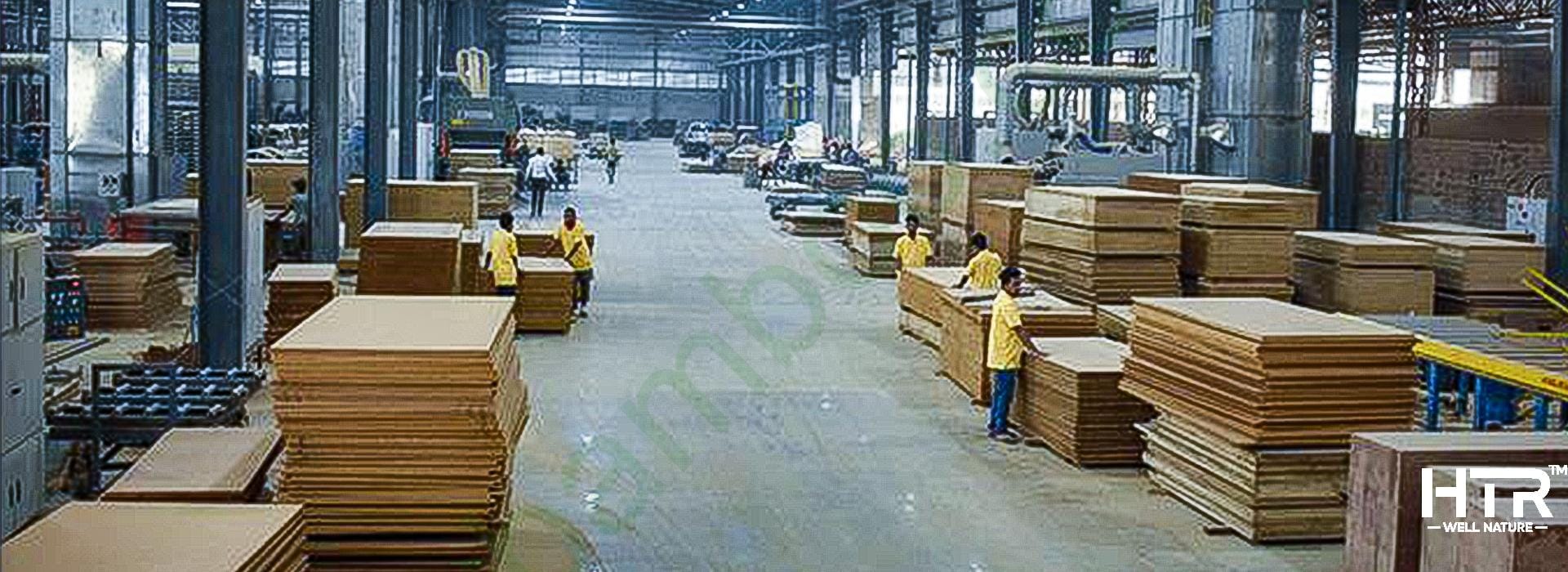
Density is a proxy for hardness, screw-holding, and dead load, so the right panel class follows from the job.
| Application | Recommended panel | Why |
|---|---|---|
| Furniture carcasses, shelving, wall paneling | Laminated, 12-18mm | Good stiffness at manageable weight, clean edge for exposed joinery |
| Countertops, worktops, stair treads | Strand woven or thick laminated, 20-40mm | Surface hardness and dent resistance where traffic is high |
| Drawer bottoms, cabinet backs, laser cutting | Laminated, 3-5mm | Light, flat, and easy to machine |
| Flooring | Strand woven | Highest indentation resistance; see our strand woven flooring line |
| Decorative surfacing on other substrates | Bamboo veneer, 0.3-0.6mm | Bamboo appearance without the panel weight |
Architects speccing overhead or wall-mounted installations should run the dead load with the strand woven figure if the finish schedule calls for it. A 2440 x 1220 x 20mm strand woven panel at 65 kg loads a wall bracket very differently from a 42 kg laminated one. The full range of formats is in our product catalog.
How to Source Bamboo Panels
Here is the process our export customers follow, from first email to container at port.
1. Send your specification
Thickness, grain style (horizontal, vertical, or strand woven), natural or carbonized color, sheet size, quantity, and destination port. If you are unsure between panel classes, send the application instead and we will recommend one. Start on the contact page.
2. Review the quote and container plan
We return pricing EXW or FOB Shenzhen-Yantian with the loading plan, gross weight, and lead time. Standard payment terms are 30 percent T/T deposit, 70 percent balance before shipment.
3. Order samples
Samples ship in about 20 days. Test them on your own CNC, finish line, or lab before committing to a container. This step catches most surprises around density, color, and machining behavior.
4. Confirm the bulk order
Bulk production runs about 30 days from deposit. If your project needs FSC-certified material, say so at order confirmation so the chain of custody paperwork is set up from the start. Our certification details are on the certifications page.
5. Ship and clear customs
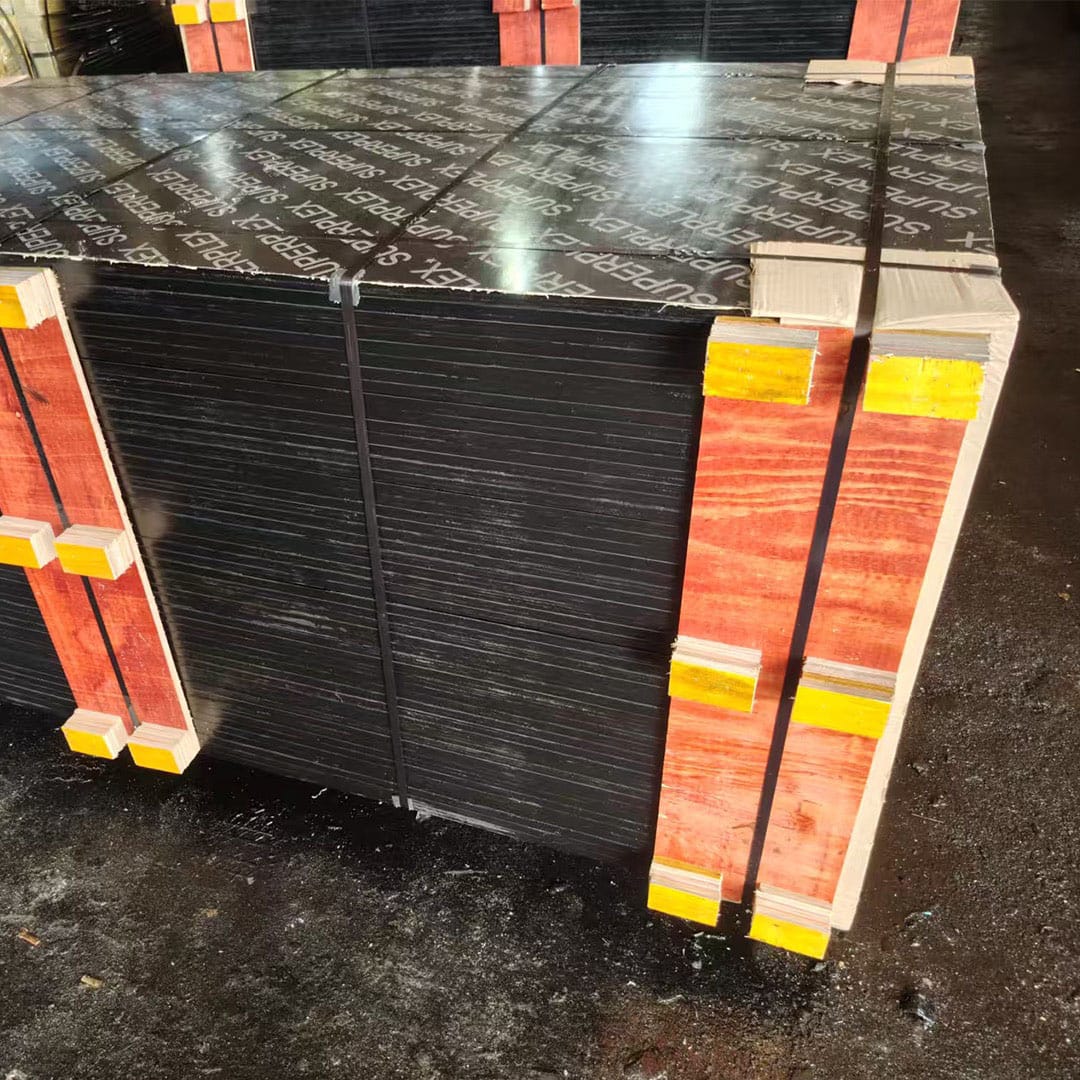
We book the container, load per the agreed plan, and send the document set for clearance under HS 4412.10 or your broker’s confirmed subheading. Loading photos are sent before the container leaves the factory.
Why B2B Buyers Choose HTR Bamboo
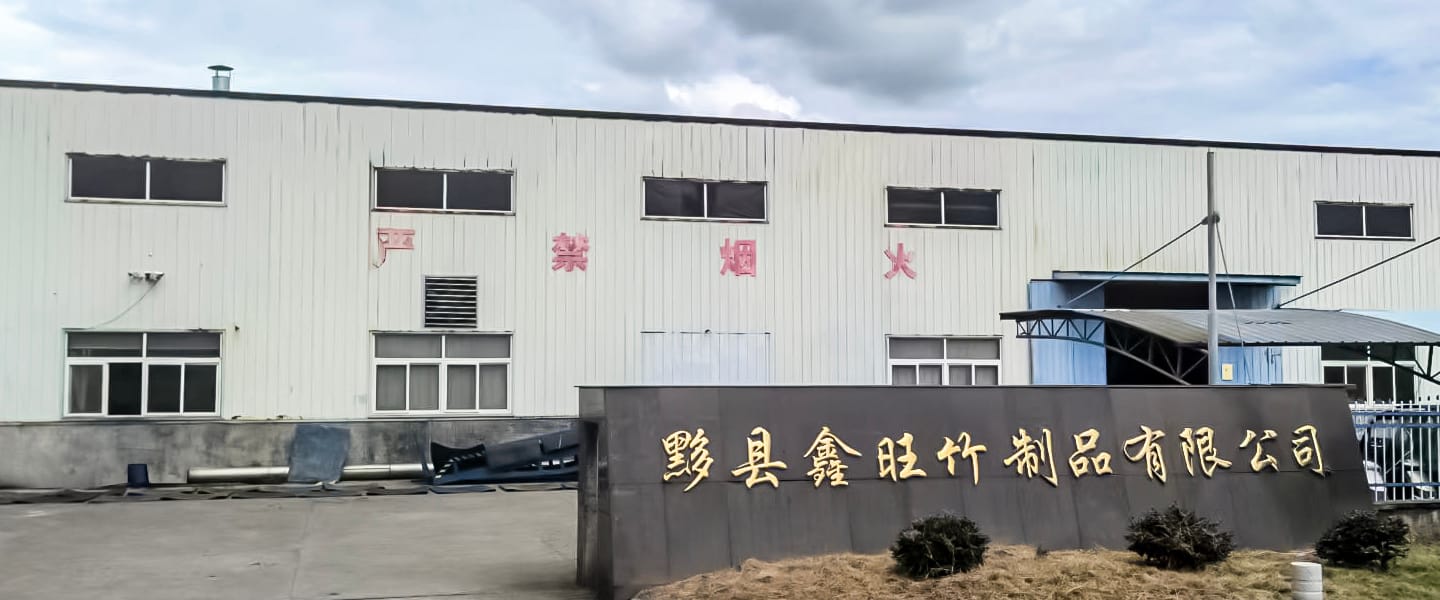
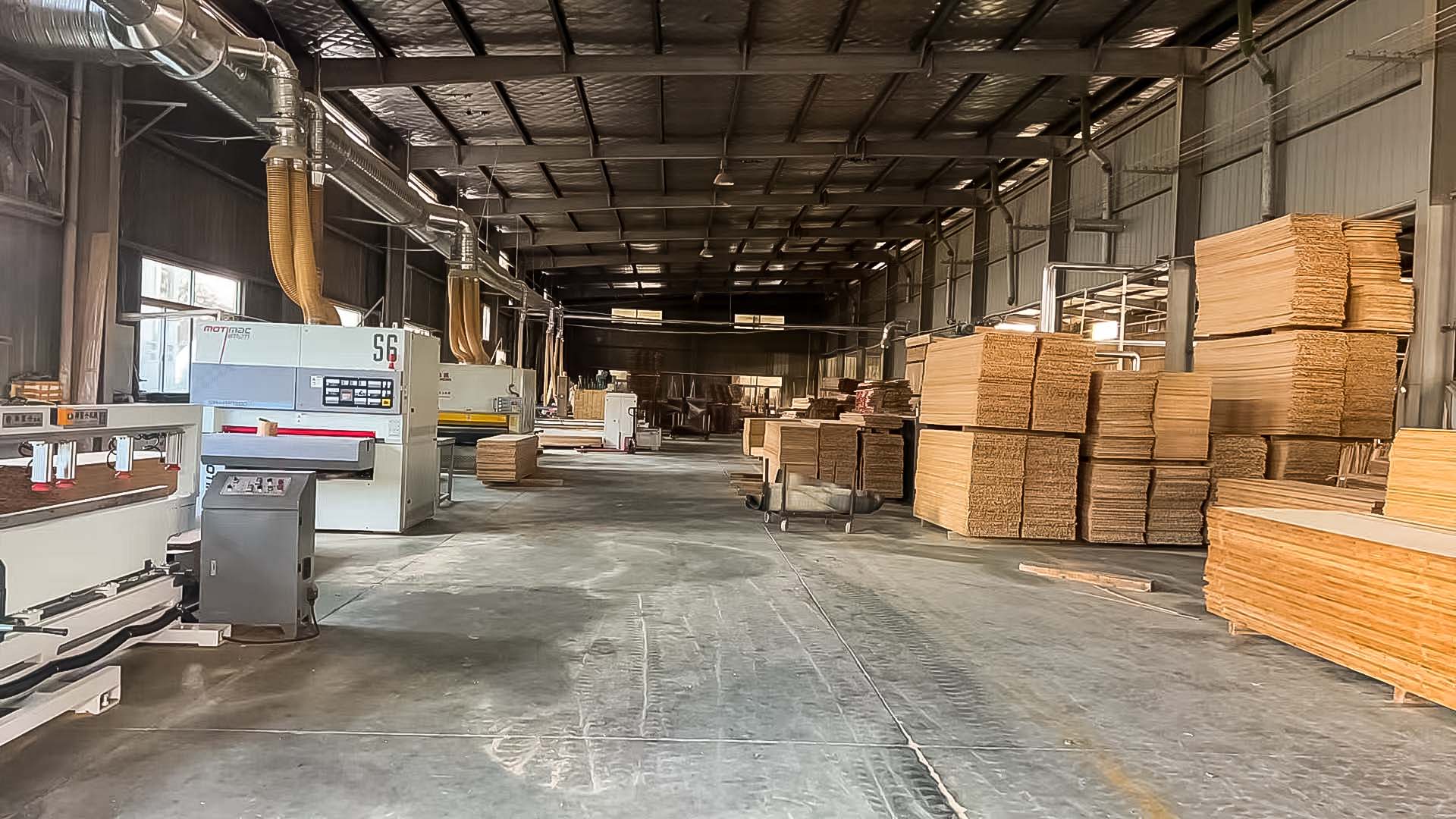
HTR Bamboo has manufactured bamboo panels since 2009. We are a bamboo specialist, so the density figures on this page come from our own production line rather than a trading catalog. Our joint venture factory, Yixian Xin Wang in Anhui province, holds FSC certification (FSC-C210923), and panels are produced to E0 and E1 low-emission glue standards. Details and documents are on our certifications page.
We run OEM and ODM projects for furniture brands, flooring distributors, and industrial buyers, with custom sizes, thicknesses, and finishing available. Shipping is worldwide from Shenzhen-Yantian, and the loading quantities above are the same ones our packing team works from. Browse the full range in the catalog or read more on the bamboo plywood product page.
Get Bulk Pricing or Request Free Samples
Send us your thickness, quantity, and destination port and we will reply with a quote, the container plan, and a sample offer. Samples take about 20 days, bulk orders about 30 days.
Frequently Asked Questions
Share This Story, Choose Your Platform!
About the Author: HTR Bamboo Editorial Team

Related Posts
On this page
Need bamboo specifications?
Latest Posts
Copyright 2020 – 2030 HTR Bamboo
All Rights Reserved!

 English
  German
  Spanish
  Vietnamese