Email-verified OEM case study
Bamboo Knitting Tools OEM Case Study: From Sample Approval to Repeat Order
An anonymized 2026 email thread records a bamboo knitting-tools buyer moving from a shared product reference through sample receipt and approval, later goods-ready and shipping updates, and a repeat order. The customer name, destination, quantities, prices and commercial files remain private.
What the documented record supports
This case is based on a single two-way email thread, not a collection of unrelated enquiries. The record covers a product or drawing reference, sample handling, written sample approval, later fulfilment communication and repeat-order language. It does not disclose the buyer or turn private correspondence into a testimonial.
| Area | Confirmed by the thread | Kept private or not evidenced |
|---|---|---|
| Product | Bamboo knitting tools, with a shared specification or drawing reference | Exact format, dimensions, size mix and artwork |
| Sample | Sample arrangement, receipt and written approval | Measurements, test results and the buyer’s internal review file |
| Fulfilment | Later goods-ready, shipment or forwarder coordination and receipt evidence | Formal inspection result, packing approval, Incoterm and route |
| Commercial continuation | A repeat order recorded in the same thread | Quantity, price, payment terms and customer identity |
The sourcing problem: “bamboo knitting needles” is not a complete specification
A wholesale buyer may begin with a category name, but a factory cannot build a repeatable order from that phrase alone. Straight, double-pointed, circular and crochet formats use different definitions. Diameter, length, point or hook profile, end cap or connector, finish, marking, pieces per set and packaging all affect what the buyer receives.
The email evidence in this case shows that the parties worked from a shared product reference before the sample decision. The private specification is not published, so this article does not claim a particular format, size or finish. Buyers preparing a new program can review HTR’s bamboo knitting needles for OEM and wholesale and the bamboo knitting-needle buying guide to define those fields.
The documented path from sample to repeat order
-
Exchange the product reference
The thread records specification or drawing information moving between buyer and HTR. This established the identity of the item under review without making the private drawing public.
-
Arrange and receive the sample
The same thread records sample handling and buyer receipt. A physical reference gave the buyer something concrete to compare with the agreed product definition.
-
Record the approval
The buyer’s approval appears in the written correspondence. That matters because a sample sitting in a warehouse is not an approval record. The decision needs to identify what was accepted and which open points remain.
-
Continue into fulfilment communication
Later messages record goods-ready and shipment or forwarder coordination, together with receipt evidence. The record supports a fulfilment handoff; it does not establish a formal pre-shipment inspection or a particular packing method.
-
Place a repeat order in the controlled thread
The September continuation includes repeat-order language. Keeping the follow-on request in the same controlled conversation helps both sides reference the earlier product and sample decision while still confirming any changes.
Why sample approval made the repeat order easier to control
One product identity
A sample ID, product reference or drawing revision prevents a later order from relying on memory or a photo with no controlled specification.
One decision record
Written approval separates “sample received” from “sample accepted.” It also gives the buyer a place to record deviations and unresolved points.
Change disclosure
A repeat order should state whether the format, dimensions, finish, markings, set contents or packaging changed. Changed characteristics may need a new sample or a targeted recheck.
Cleaner handoff
The approved reference can travel into the purchase order, production brief and shipment record, reducing the risk that commercial and technical messages refer to different versions.
For a reusable approval record, use the bamboo product sample approval checklist. Sample approval and production authorization remain separate decisions.
What buyers can copy from this project
| Stage | Buyer input | Record to keep |
|---|---|---|
| RFQ | Tool format, dimensions, size mix, quantity unit, finish, marking, packaging and destination | Dated specification or drawing revision |
| Sample order | Exact configuration to represent the proposed order and the checks the buyer will perform | Sample ID, courier reference and agreed scope |
| Review | Size and profile, surface, fit or connection, markings, set contents and packaging where applicable | Measurements, photos, findings and open points |
| Decision | Accepted, rejected, accepted with named deviations, or revision required | Written approval with date and decision owner |
| Repeat order | Quantity and destination plus a list of anything changed since approval | Purchase order and confirmation tied to the controlled reference |
What this case does not claim
- It does not publish or imply the buyer’s name, country, brand, quantity, price or payment terms.
- It does not identify the exact knitting-tool format, dimensions, finish, marking or package used for this account.
- It does not claim a documented pre-shipment inspection, statistical sampling plan, packing approval or test result where the email thread does not provide one.
- It does not make the project’s timing, MOQ or commercial terms standard for another buyer.
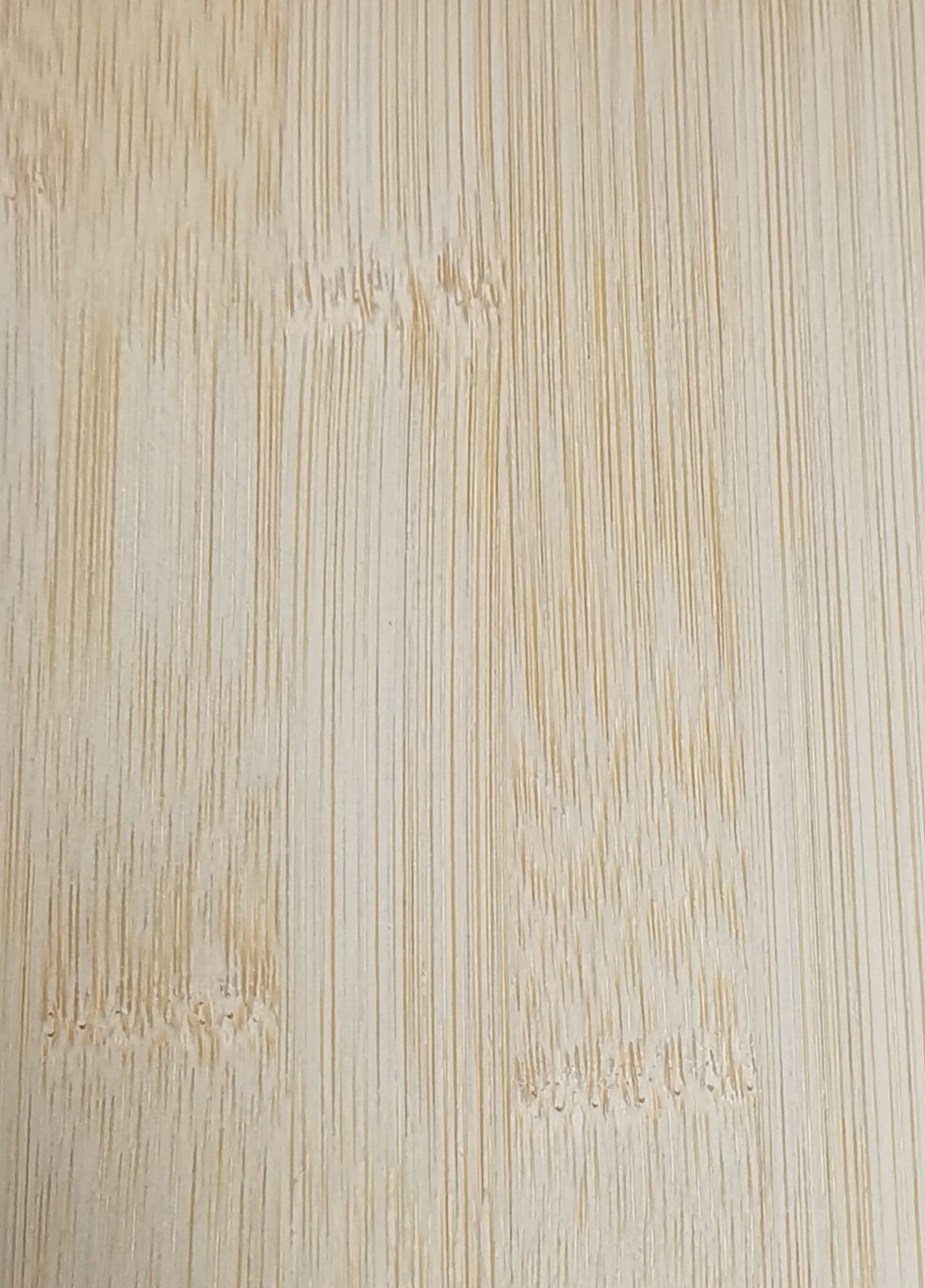
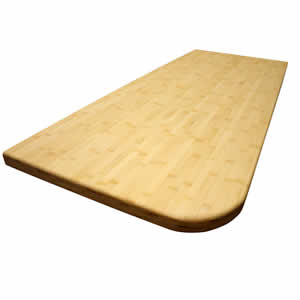
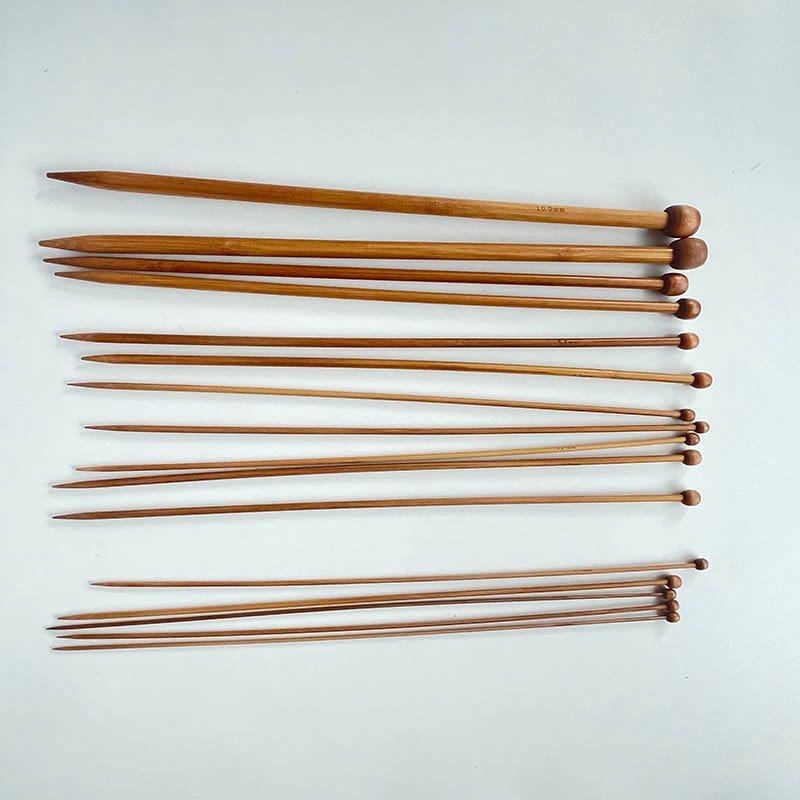
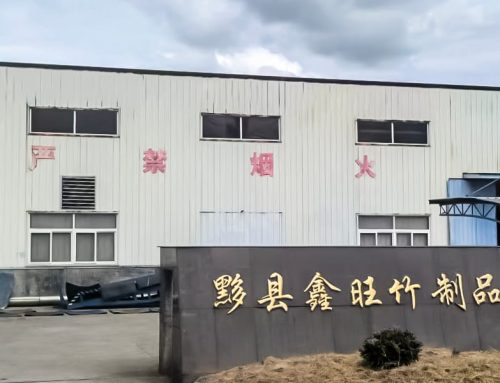
- The reference image is an HTR product example, not a photograph of the confidential order.
Results supported by the correspondence
- A physical sample progressed from arrangement and receipt to written approval.
- The approved product reference remained available for later fulfilment communication.
- The thread contains goods-ready, shipment or forwarder coordination and receipt evidence.
- The buyer returned with a repeat order in the same controlled conversation.
These outcomes show a functioning sample-to-repeat workflow. They do not guarantee the same outcome for another design; each program still needs its own specification, approval, production authorization, quality plan and quotation.
Bamboo knitting-tools OEM case questions
Why is the buyer anonymous?
The project evidence comes from private commercial correspondence. HTR can describe the verified process without publishing customer identity, drawings, quantities, prices or order files.
Was the sample actually approved?
Yes. The controlled thread contains written sample-approval evidence after the sample handling and receipt record. This article does not publish the buyer’s test details or the private specification.
Does sample approval automatically start production?
No. Sample approval confirms the reviewed reference and decision scope. Quantity, price, delivery, payment, production authorization and any later changes still require order-specific confirmation.
Did this case include a formal pre-shipment inspection?
The reviewed thread does not provide enough evidence to claim one, so this case does not say that an inspection passed. A new buyer can define the required controls with the bamboo OEM pre-shipment inspection checklist.
What should a new buyer send first?
Send the knitting-tool format, dimensions, size mix, quantity unit, intended packaging, destination and any marking or document requirements. State which points are fixed and which still need supplier review.
Build your own sample-to-repeat program
Share the bamboo knitting-tool format, dimensions, size mix, quantity unit, finish, marking, packaging, sample need and destination. HTR can confirm the information needed for a quotation and a representative sample review.
Share This Story, Choose Your Platform!
About the Author: zhang, xiaomei

Related Posts
On this page
Need bamboo specifications?
Latest Posts
Copyright 2020 – 2030 HTR Bamboo
All Rights Reserved!

 English
  German
  Spanish
  Vietnamese