Case Study: Private-Label Bamboo Products for a South American Brand
A South American housewares and building-materials distributor wanted to sell bamboo panels and countertops under its own retail brand. The documented program includes custom product specifications, Spanish-language SKU and barcode labels, export packing and freight-forwarder coordination. The mailbox records a completed 2025 production and handoff to the buyer’s forwarder, followed by a further 1,000-unit order request confirmed for production in 2026. The confirmed repeat order used 30% before production and 70% before shipping. These are account-specific facts, not universal MOQ or payment terms.
The challenge
Reselling imported panels under a factory’s generic branding leaves a distributor with thin margins and no customer loyalty. This buyer had a clear strategy: put its own brand and barcodes on every board and own the retail relationship in its home market.
That strategy creates a specific manufacturing problem. The factory has to do more than press good panels. It has to produce a mixed catalog of products in one order cycle and apply the correct client-branded label to each SKU. It also has to pack everything so a single consolidated container can be broken down and put straight onto shelves on arrival. Most panel mills quote well on truckloads of one product. Far fewer will run a genuine OEM program where the client’s retail identity travels through the factory floor.
The requirements
The recurring order pattern covers a spread of products under the client’s brand:
| Requirement | Detail |
|---|---|
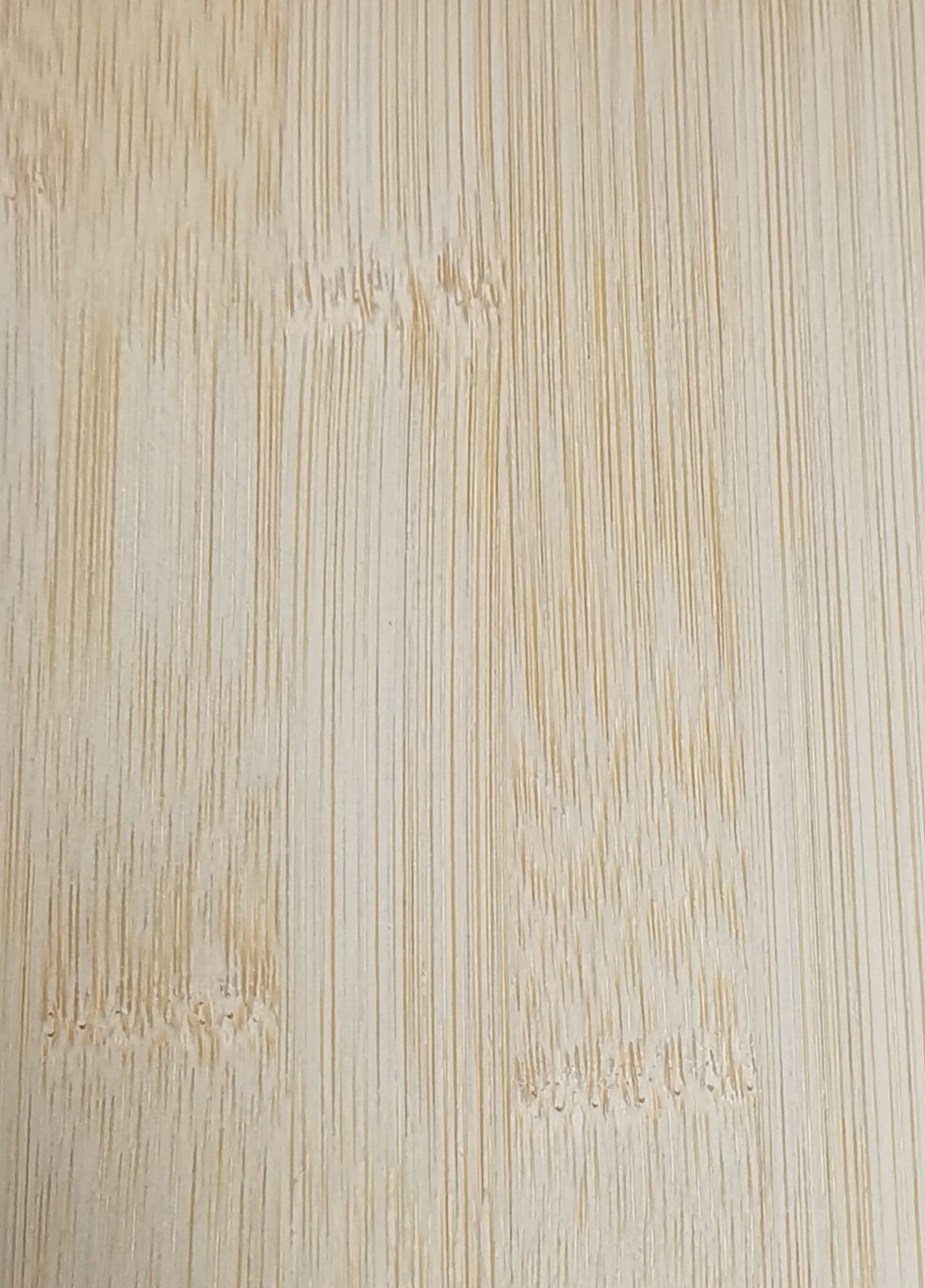
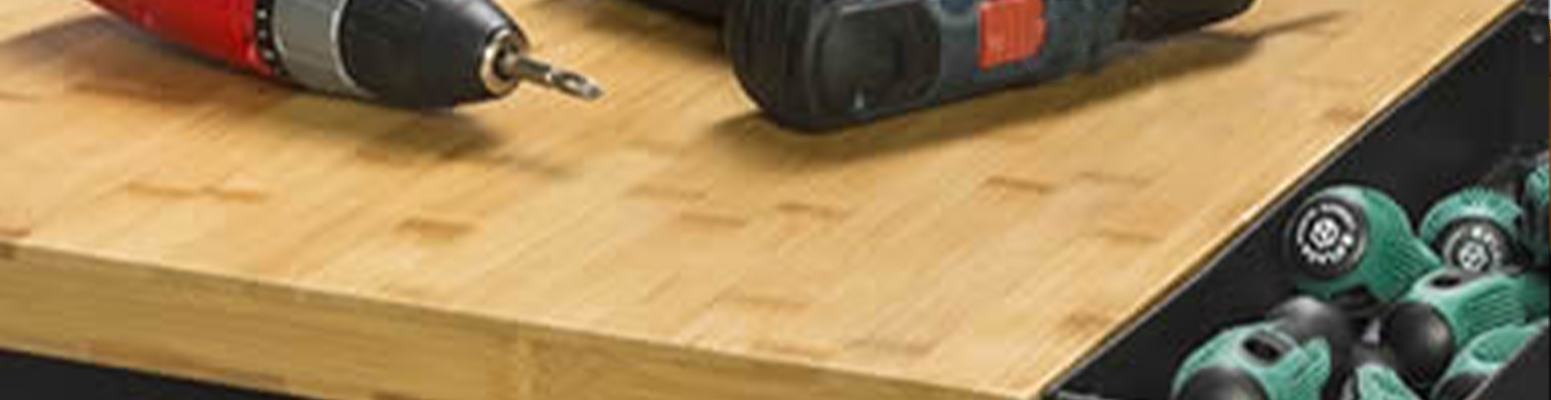
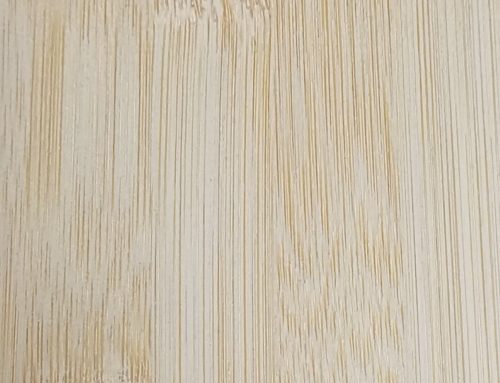
| Core panels | Carbonized horizontal bamboo plywood, 20mm x 1220 x 2440mm full sheets |
| Panel range | 20mm, 30mm and 40mm thicknesses, supplied in multiple cut-to-size formats |
| Countertops | Cut-to-size bamboo countertops, for example 1200 x 550 x 30mm |
| Other items | Bamboo lumber sections for the same retail program |
| Labeling | Client’s own SKU and barcode labels, printed by HTR in Spanish, applied per piece |
| Order size | Around 1,000 pieces per order, repeating |
| Payment | 30% deposit before production, 70% before shipping, by T/T |
| Logistics | Consolidated container shipping arranged through a Shenzhen forwarder |
Every line in that table is routine on its own. The value is in running all of them together, order after order, so the distributor can plan its retail stock without managing five vendors.
How HTR approached it
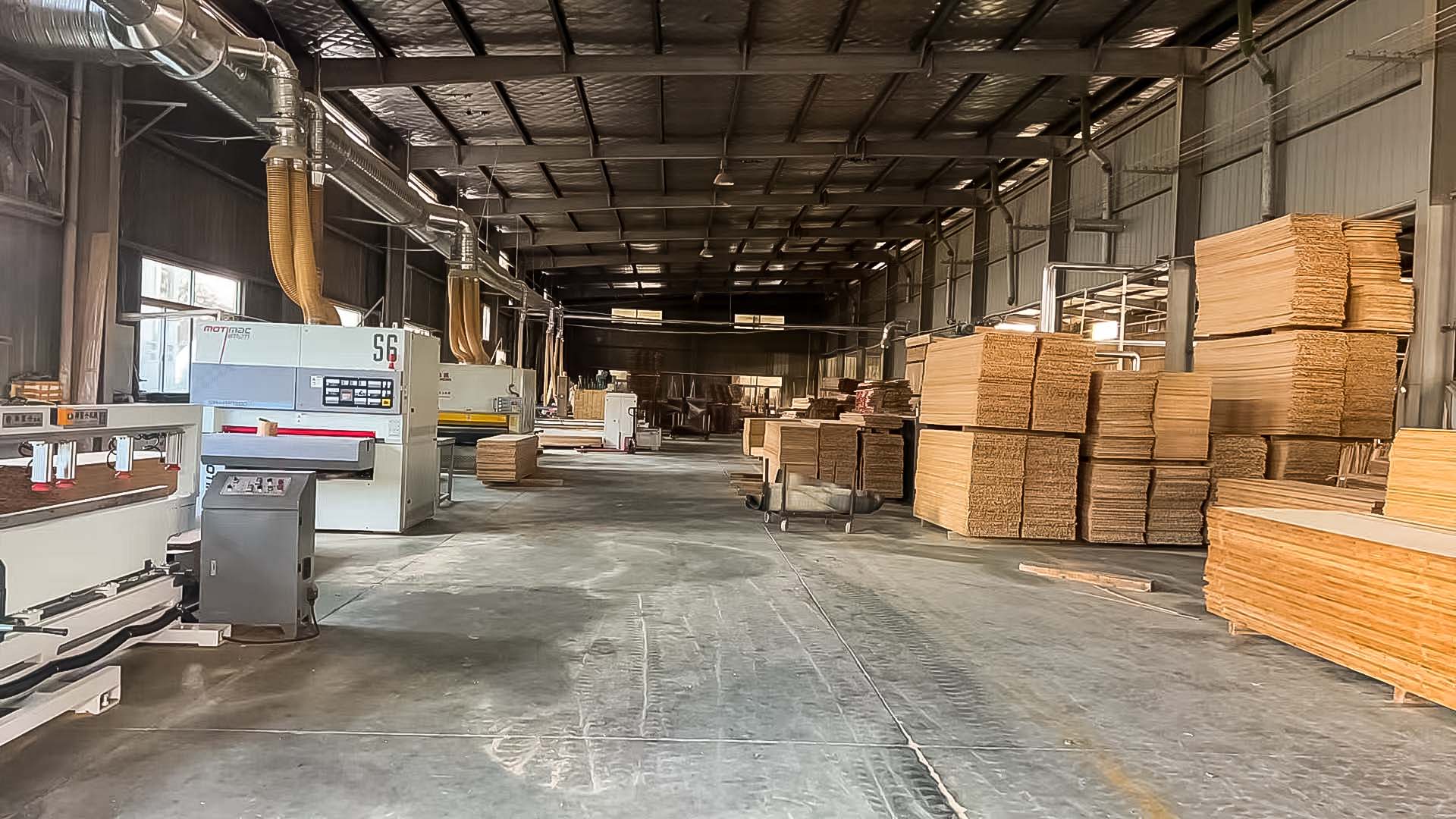
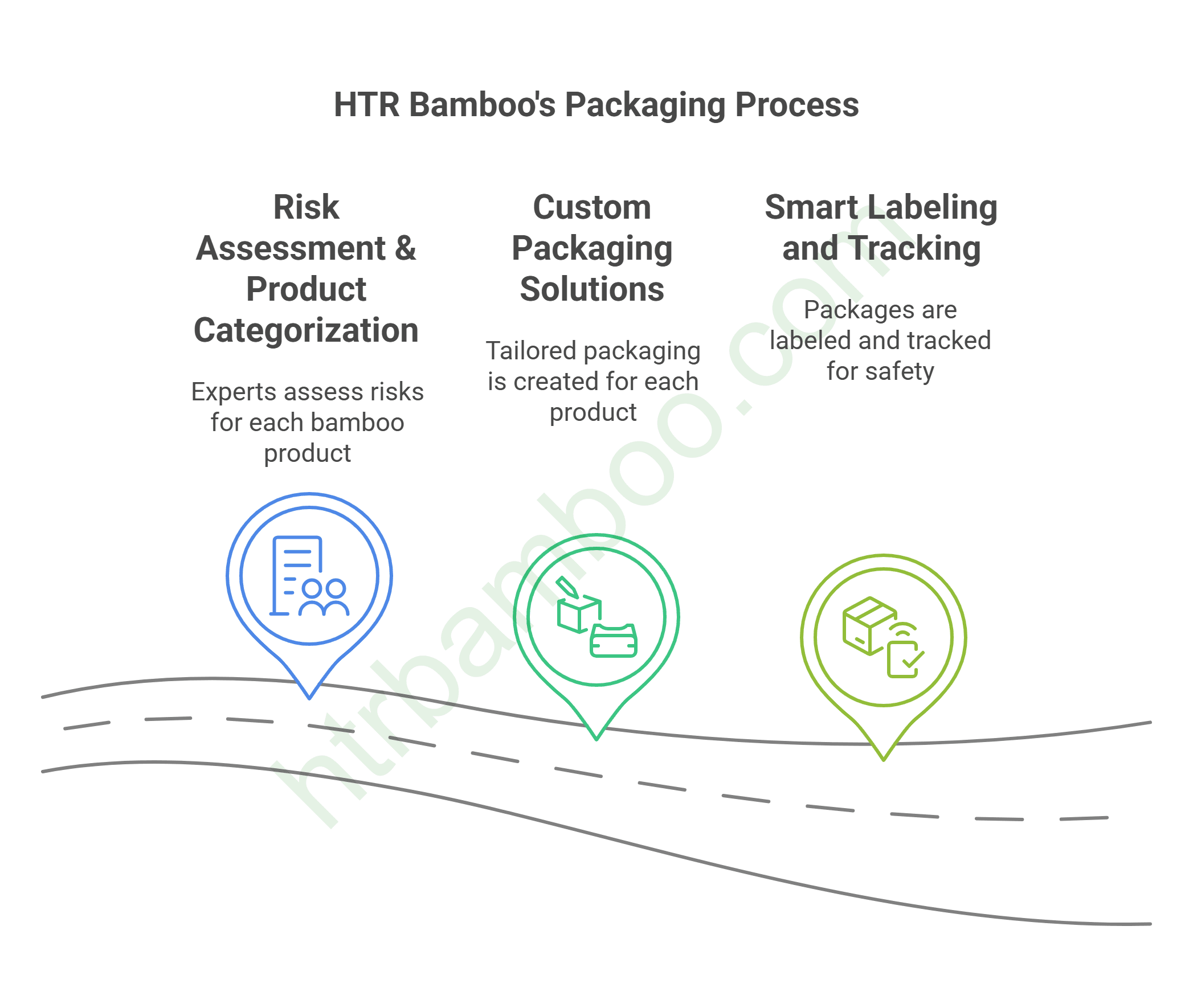
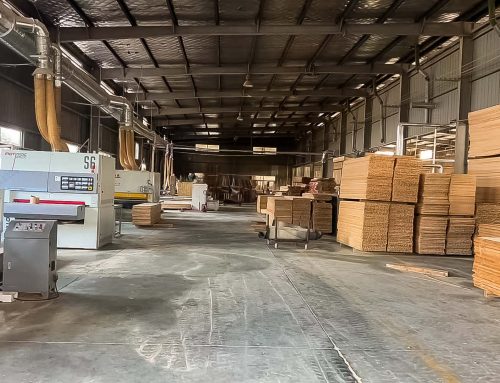
HTR handled the work as an OEM program rather than a generic resale order. Product drawings and label artwork were retained in the order thread so the repeat request could reference the previous configuration. Each approved label carried the buyer’s brand, Spanish product name, dimensions and barcode; the final artwork still requires buyer confirmation for each order.
Label printing sounds like a small service. In practice it is the difference between a container the customer can sell from immediately and a warehouse week spent relabeling imported goods by hand. Because HTR prints and applies the labels during packing, the distributor’s cost of receiving a container is close to zero handling beyond unloading.
For the confirmed 2026 repeat order, the email record states 30% before production and 70% before shipping. That arrangement belongs to this quotation and account. New buyers should confirm currency, payment milestones and shipping terms on their own quotation rather than assume the same structure.
The process: from first order to standing program
Step 1: Product and brand definition. The distributor specified its retail lineup: full sheets, cut panels, countertops, and lumber, each mapped to a SKU in its own system. HTR matched each SKU to a production spec from our bamboo plywood and bamboo products range.
Step 2: Label setup. The client supplied its brand artwork and barcode data. HTR set up per-SKU label sheets in Spanish, so every piece leaving the line is identified for the destination retail market, not for our warehouse.
Step 3: Production and packing. The documented repeat request referenced 1,000 units of a previously supplied size. Product mix, pallet plan and container loading remain order-specific. Approved labels are applied before export packing, and the buyer or forwarder confirms pickup details. General packing options are outlined on our shipping page.
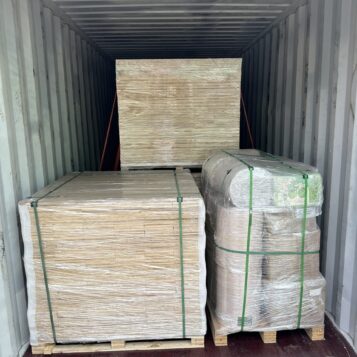
Step 4: Consolidation and shipping. A Shenzhen-based forwarder consolidates the mixed cargo into containers for the long route to South America. Consolidation matters for a distributor whose order is diverse rather than enormous: it gets container economics without needing every SKU to fill a container on its own.
Step 5: Repeat with confirmation. The buyer can reference the previous configuration, but HTR still reconfirms product details, label artwork, quantity, payment milestones and shipping arrangements before production.
Results and what the buyer got
- Customer-supplied brand, Spanish product names and barcodes translated into per-SKU production labels.
- A completed 2025 production and forwarder handoff followed by a documented 1,000-unit repeat request in 2026.
- SKU-labelled goods prepared for export; downstream customs, warehousing and retail handling remain the buyer’s responsibility.
- Order-specific 30/70 T/T milestones recorded for the confirmed repeat order.
- One factory relationship instead of a panel mill, a countertop shop, a print vendor, and a consolidator.
What a real private-label OEM program includes
Plenty of factories say OEM when they mean “we will not complain if you resell it.” A real program is operational. Use this checklist when you evaluate a private label bamboo products manufacturer:
| Program element | What to ask for | HTR |
|---|---|---|
| Custom product specs | Your dimensions and finishes held on file, not re-quoted from scratch each order | Yes |
| Branding | Goods produced under your brand with no factory branding on the product | Yes |
| SKU and barcode labeling | Factory prints and applies your retail labels, in your market’s language | Yes |
| Order-specific labelling and export packing | Approved SKU labels plus packing matched to product and freight route | Available by quotation |
| Mixed-SKU containers | Panels, countertops, and other items consolidated in one shipment | Yes |
| Confirmed commercial terms | Currency, deposit, balance and Incoterm stated on each quotation | Confirmed per order |
| Applicable compliance documents | Certificate and test scope matched to the quoted product and destination | Request order-specific records; see certifications |
What this means for buyers like you
If you distribute building materials or housewares under your own brand, start with a defined SKU list, dimensions, label artwork, forecast quantity and destination. The repeat request in this case referenced 1,000 units, but that is not a universal MOQ; feasibility depends on each product and mix. Importers should review classification and destination rules with their broker and request the applicable order documents. Start by shortlisting products from the HTR catalog, including bamboo veneer if your range includes surfacing material.
Why B2B Buyers Choose HTR Bamboo
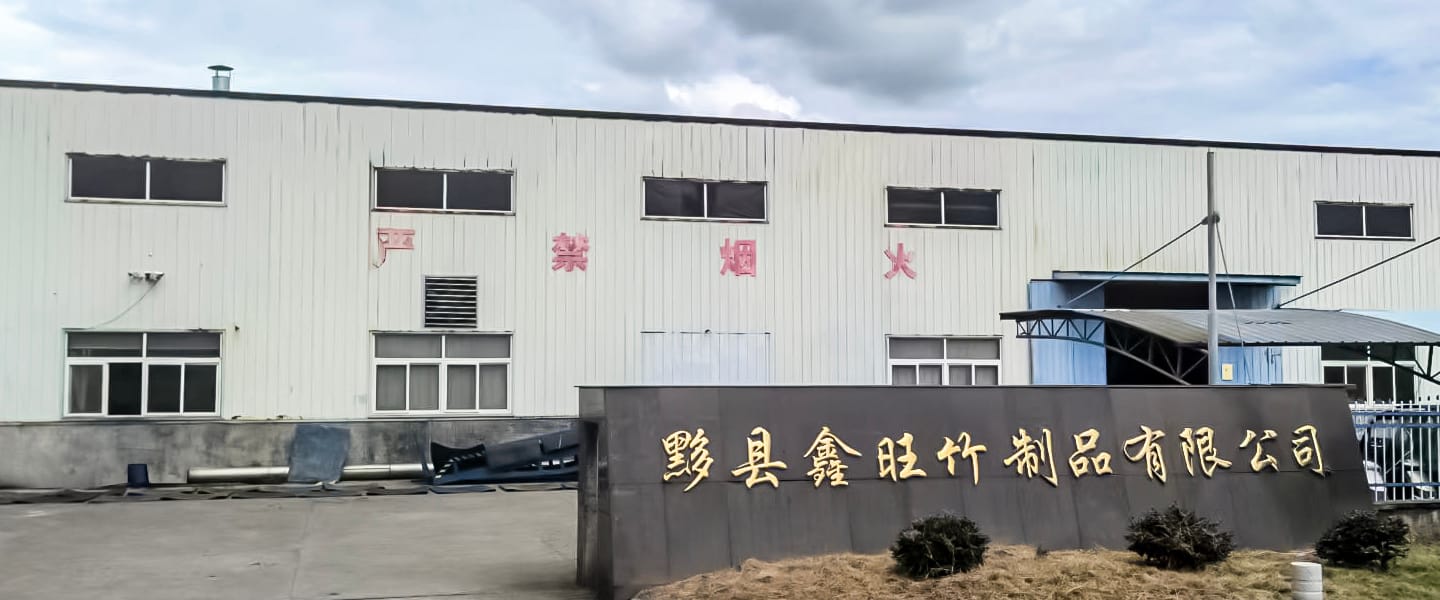
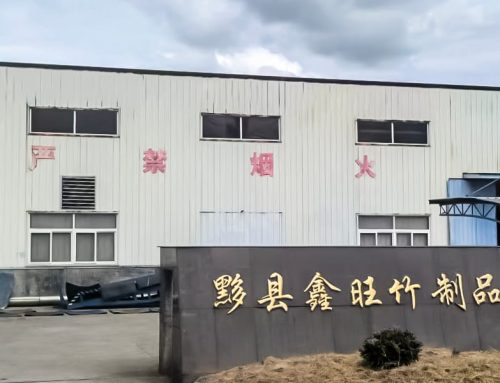
HTR Bamboo has manufactured bamboo panels and veneer since 2009, alongside countertops and other finished bamboo goods. OEM work can include custom dimensions, buyer-approved labels and order-specific packing. FSC claims, adhesive details, emissions reports and export documents must be matched to the quoted product and order; review the scope on our certifications page. The evidence in this case is the documented production, forwarder handoff and repeat-order record, without naming the customer or publishing its commercial files.
Start Your Own Private-Label Program
Tell us your product list and target market, and we will map it to specs, labeling, and a first-order plan. Reach the team through our contact page.
Frequently Asked Questions
Share This Story, Choose Your Platform!
About the Author: HTR Bamboo Editorial Team

Related Posts

On this page
Need bamboo specifications?
Latest Posts
Copyright 2020 – 2030 HTR Bamboo
All Rights Reserved!

 English
  German
  Spanish
  Vietnamese