Quick answer: this guide explains bamboo craftsmanship for buyers in 2026, covering the key facts, trade-offs, and sourcing tips you need before you decide.
The Art of Bamboo Craftsmanship: Tradition Meets Innovation in Sustainable Design
Bamboo craftsmanship is experiencing a renaissance, bridging centuries-old traditions with modern technological innovations to create sustainable bamboo products that are both beautiful and high-performing. From traditional bamboo weaving techniques to advanced CNC bamboo fabrication, the industry is evolving rapidly, offering new possibilities in bamboo furniture design, bamboo architecture, and beyond.
This article explores the rich heritage of bamboo craft, the latest bamboo product innovation, and how standards like ISO 22156 and ISO 22157 are shaping the future of engineered bamboo materials such as laminated bamboo lumber, scrimber, and bamboo plywood. We also discuss essential treatments like boron borax treatment and the importance of lifecycle assessment (LCA) in verifying bamboo’s environmental credentials.
Bamboo Craftsmanship: A Blend of Heritage and High-Tech
Traditional Bamboo Weaving: The Roots of Bamboo Artistry
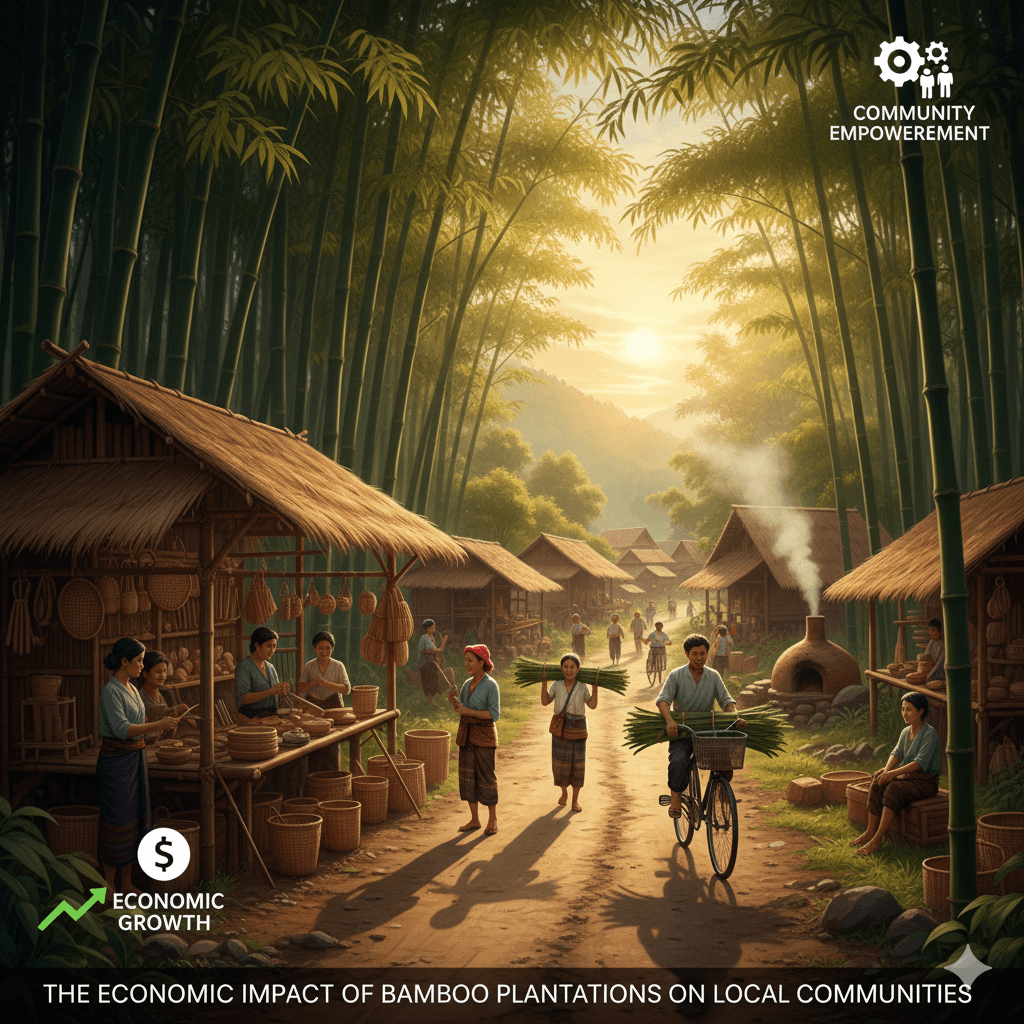
For millennia, bamboo has been a vital resource in Asia, Africa, and Latin America, where artisans have developed intricate weaving styles and joinery techniques. These include plain, twill, and hexagonal weaves, as well as sophisticated joinery like mortise-and-tenon and lashings. These time-honored methods deliver tactile richness, durability, and cultural authenticity—qualities that remain highly valued today.
Innovative Bamboo Artistry: CNC and Engineered Bamboo
Modern engineered bamboo products transform raw bamboo culms into uniform, high-strength materials. Techniques such as CNC milling allow for precision cutting, enabling repeatable, complex joinery and design features that preserve the artisanal aesthetic while meeting industrial standards.
Products like laminated bamboo lumber (LBL) and scrimber offer enhanced mechanical properties, making bamboo suitable for structural applications in furniture and architecture. The integration of low-VOC resins and eco-friendly adhesives further advances bamboo’s sustainability profile.
Sustainability and Standards: Ensuring Quality and Environmental Integrity
Bamboo’s environmental promise is reinforced by rigorous standards and certifications:
- ISO 22156 and ISO 22157 provide internationally recognized frameworks for bamboo structural design and mechanical testing, ensuring engineered bamboo meets safety and performance requirements.
- Boron borax treatment is widely used to protect bamboo from pests and decay without compromising environmental safety.
- Lifecycle assessments (LCA) and Environmental Product Declarations (EPD) quantify bamboo’s carbon sequestration and embodied carbon benefits, essential for green building certifications and responsible procurement.
Bamboo in Furniture and Architecture: Design and Functional Excellence
The fusion of bamboo craftsmanship with modern engineering has led to stunning applications in:
- Bamboo furniture design: Combining traditional weaving with engineered cores for durable, lightweight, and visually striking pieces.
- Bamboo architecture: Innovative structures using laminated bamboo lumber and scrimber offer sustainable alternatives to timber and steel, often featuring in biophilic and low-carbon building projects.
- Bamboo panels and veneers: Used in interiors for acoustic wall panels, cabinetry, and decorative surfaces, blending aesthetics with performance.
Subjective Insights: Why Bamboo Craftsmanship Matters Today
From a professional perspective, bamboo represents a rare convergence of natural beauty, sustainability, and technological advancement. The ability to scale traditional bamboo craft into engineered, code-compliant products is crucial for meeting today’s demands for sustainable materials that do not sacrifice quality or design integrity.
Moreover, the cultural narratives embedded in bamboo craftsmanship add unique value, resonating with consumers and clients seeking authenticity alongside innovation.
Future Outlook: The Growing Role of Bamboo in Sustainable Design
The future of bamboo lies in continuous innovation:
- Advances in nanocellulose and biochar technologies promise new high-performance, low-impact materials.
- Digital fabrication and parametric design tools will further refine bamboo’s application in complex architectural and product designs.
- Strengthened traceable supply chains will enhance transparency and trust, supporting circular economy principles and green public procurement policies.
Conclusion: Embracing Bamboo Craftsmanship for a Sustainable Tomorrow
Bamboo craftsmanship is no longer confined to tradition; it is evolving into a sophisticated, sustainable material platform. By integrating engineered bamboo, advanced fabrication, and rigorous standards, the industry is poised to deliver innovative bamboo artistry that meets modern demands for durability, beauty, and environmental responsibility.
For designers, manufacturers, and brands committed to sustainability and quality, bamboo offers a compelling path forward—one where heritage and innovation unite to shape the future of eco-friendly design.
Further reading: Bamboo (overview). See also HTR Bamboo’s bamboo plywood and FSC certifications for more on bamboo craftsmanship.
Share This Story, Choose Your Platform!
About the Author: hao yu

Related Posts



Table of Content
- Bamboo Craftsmanship: A Blend of Heritage and High-Tech
- Sustainability and Standards: Ensuring Quality and Environmental Integrity
- Bamboo in Furniture and Architecture: Design and Functional Excellence
- Subjective Insights: Why Bamboo Craftsmanship Matters Today
- Future Outlook: The Growing Role of Bamboo in Sustainable Design
- Conclusion: Embracing Bamboo Craftsmanship for a Sustainable Tomorrow
Join Our Newsletter
Latest Posts
Copyright 2020 – 2030 Well Nature Bamboo
All Rights Reserved!