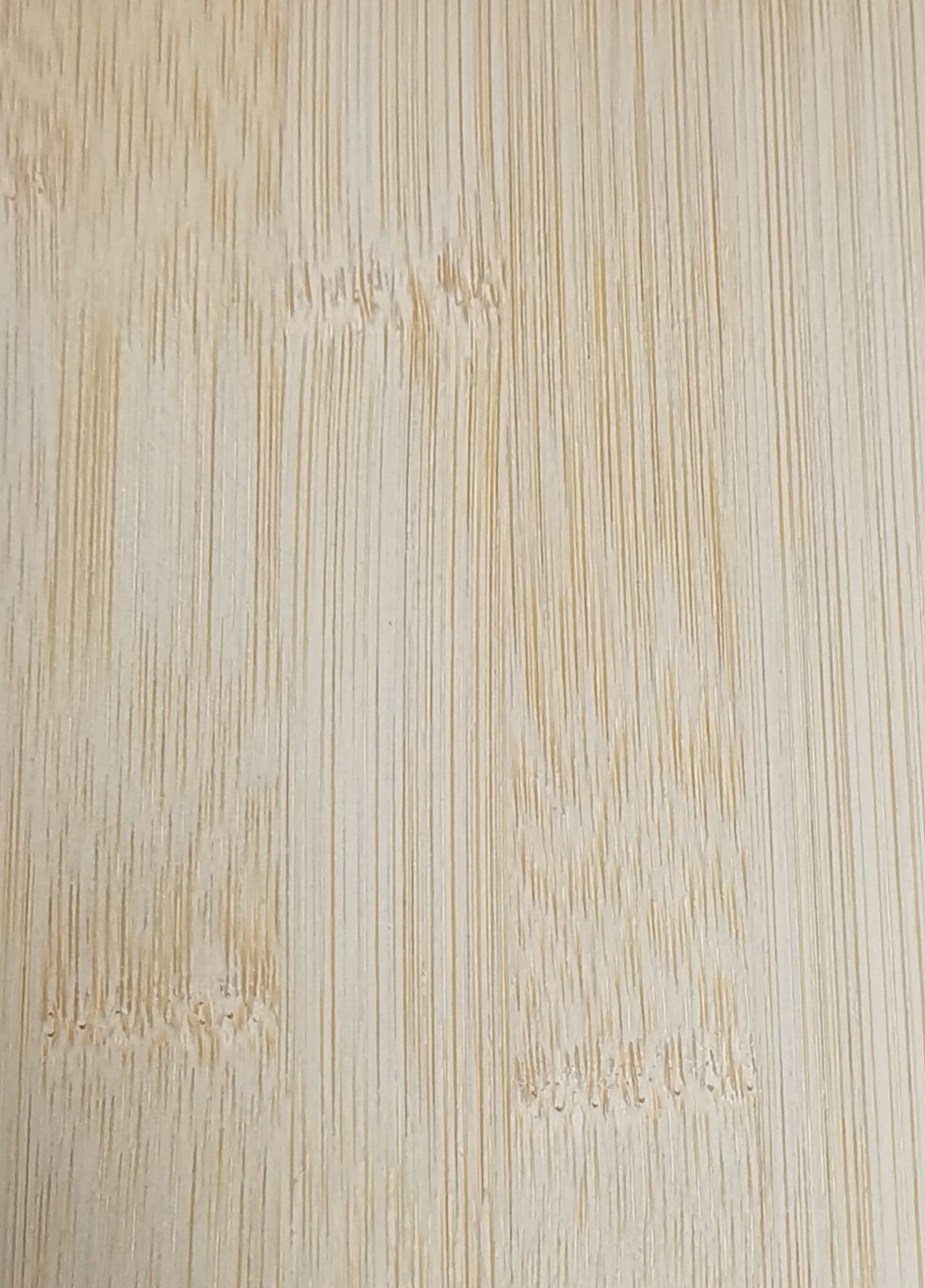
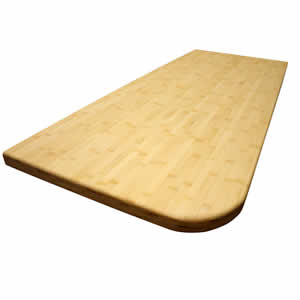
Sourcing Bamboo Plywood: China vs Vietnam Compared for B2B Buyers (2026)
The short answer: for engineered bamboo panels, China remains the stronger sourcing base in 2026. Its Moso bamboo resource and more than 20 years of laminating and strand woven production depth are hard to match, and all-bamboo plywood sits outside the scope of the US antidumping and countervailing duty orders that hit Chinese hardwood plywood. Vietnam is a credible alternative for handicrafts and simpler bamboo goods, with lower labor costs, but for precision bamboo plywood, bamboo veneer and strand woven products the capability gap still favors China.
This guide is written for purchasing managers in the US, Europe and Australia who are actively comparing the two countries. We manufacture in China, so read our position with that in mind. We have also tried to be honest about where Vietnam genuinely wins, because a supplier who oversells a country comparison will oversell everything else too.
The two bamboo supply chains in 2026

China dominates the global bamboo trade, accounting for roughly 70 percent of world bamboo and rattan export value according to INBAR, the intergovernmental bamboo organisation. The industry is built on Moso bamboo (Phyllostachys edulis), which covers over 5 million hectares concentrated in Fujian, Zhejiang, Jiangxi, Hunan and Anhui. Around these forests, provinces have built complete industrial clusters: pole traders, strip mills, carbonizing plants, hot presses, CNC shops and test labs, often within a one hour drive of each other. Our own bamboo plywood factory sits in one of these clusters in Anhui.
Vietnam is a serious bamboo country in its own right, one of the world’s top four exporters of bamboo, rattan and sedge products, with roughly 800 million USD in annual exports and about 70 percent going to the EU and US. Its commercial species are different: Luong (Dendrocalamus barbatus), Bambusa and other clumping species, with the main production zones in Thanh Hoa and the northern provinces. These species work well for poles, chopsticks, kitchenware, woven goods and increasingly flooring and panels. What Vietnam does not have is a Moso resource on China’s scale, and Moso is the species the engineered panel industry was built around: straight, dense, large diameter culms that yield uniform strips for lamination.
China vs Vietnam: side by side comparison
The table below summarizes the factors a panel buyer actually negotiates around. Price and lead time entries are directional, based on what we see in the market, not fixed quotes.
| Factor | China | Vietnam |
|---|---|---|
| Resource base | Moso bamboo, 5+ million hectares across Fujian, Zhejiang, Jiangxi, Hunan, Anhui | Luong, Bambusa and other clumping species, smaller total area, concentrated in Thanh Hoa and the north |
| Species suitability for panels | Moso is the industry standard for laminated and strand woven panels | Luong is usable and improving, but less uniform for fine lamination and ultra-thin veneer |
| Strand woven capability | Mature, 20+ years, many hot press and cold press lines, deep tooling know-how | Emerging, a handful of capable plants, limited capacity for large programs |
| Processing ecosystem | Full clusters: strip mills, carbonizing, pressing, CNC, finishing, test labs in one region | Strong in handicrafts and poles, thinner in engineered panel subcontracting |
| FSC availability | Widely available among export factories, verifiable at info.fsc.org | Available but less common for bamboo specifically, verify case by case |
| US tariff exposure (all-bamboo panels) | All-bamboo plywood is outside the scope of the 2026 AD/CVD orders on Chinese hardwood plywood; general China tariffs still apply | 20 percent reciprocal tariff since August 2025, plus new US wood product actions affecting plywood and furniture |
| MOQ culture | Flexible at established exporters, often one pallet to part container for panels | Often full container minimums for panel products, more flexible on handicrafts |
| Lead time (bulk) | Roughly 30 days for standard panel orders at an established factory | Comparable for stock items, often longer for engineered or custom specs |
| Ports and logistics | Dense sailings from Shanghai, Ningbo, Shenzhen-Yantian, strong freight forwarder ecosystem | Good service from Haiphong and Ho Chi Minh City, fewer direct sailings on some lanes |
| Price level and QC ecosystem | Higher labor cost, offset by scale and yield; third party QC firms everywhere | Lower labor cost, genuine saving on labor-heavy goods; QC coverage thinner outside major hubs |
Raw material: why Moso matters for plywood
Bamboo plywood quality starts before the factory gate. Moso culms are large, straight and consistent in wall thickness, so strip mills can cut uniform strips with high yield. Uniform strips mean flat panels, stable glue lines and the ability to hold tight tolerances. This is why 1-ply to multi-ply bamboo panels and ultra-thin bamboo veneer down to 0.5 mm are overwhelmingly a Chinese product today.
Vietnam’s Luong bamboo has good mechanical properties and large culm size, and Vietnamese mills use it well for flooring blanks, poles and semi-finished strips. Some Vietnamese panel output is genuinely good. But the species mix is more varied and the strip preparation infrastructure is younger, so buyers report more variation in color, density and flatness between batches. For a container of kitchenware that variation rarely matters. For architectural panels cut on a CNC in Germany, it does.
Processing depth and strand woven capability
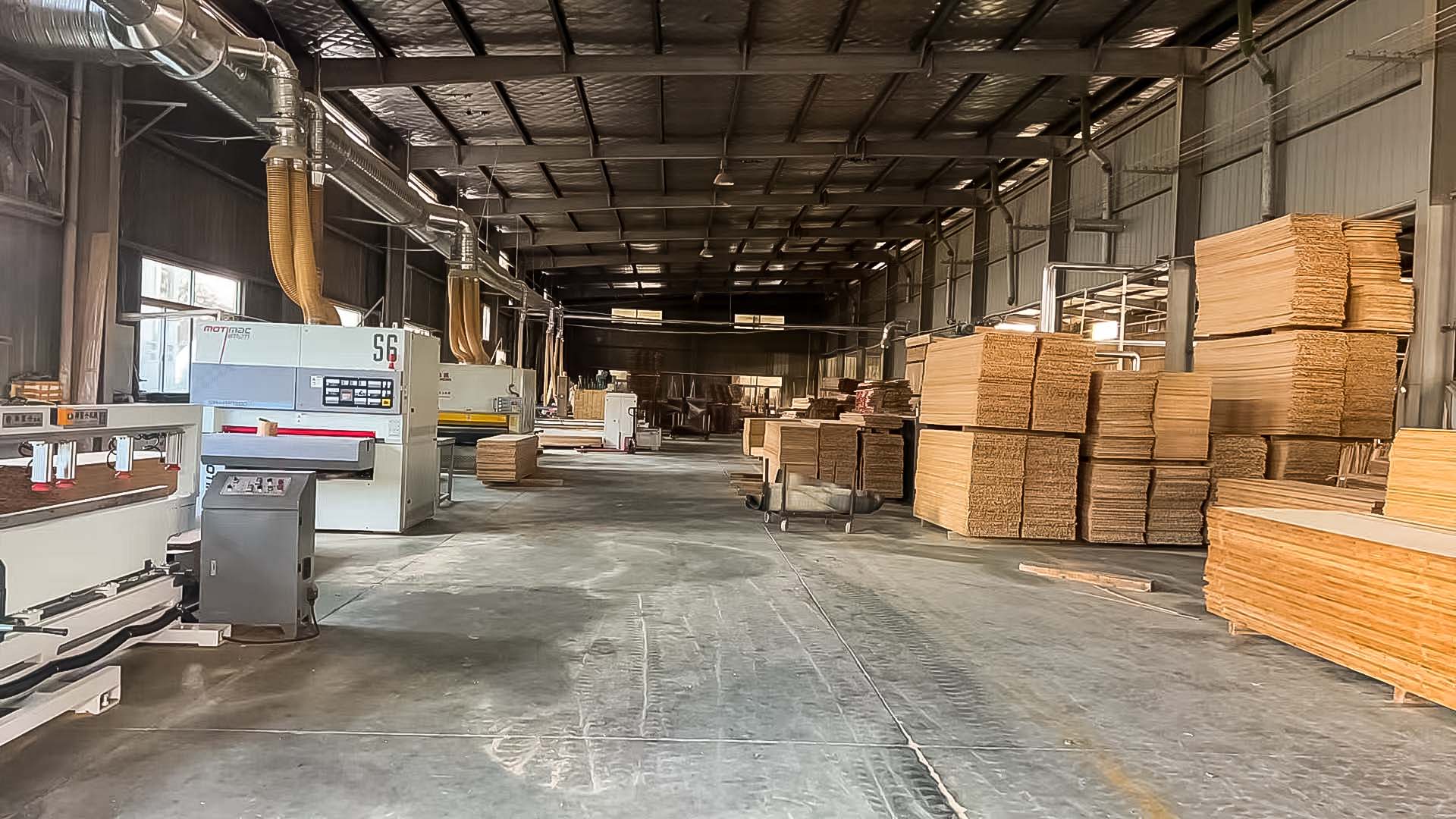
Strand woven bamboo, the high density material used for premium flooring, countertops and exterior decking, is the clearest capability gap. China has been pressing strand woven blocks since the early 2000s, and the know-how is not only in the press. It is in resin dosing, strand drying, mold maintenance and how you saw and condition the blocks afterwards. An experienced strand woven bamboo flooring manufacturer in China can hold density and moisture targets across thousands of square meters. Vietnam has a small number of plants moving into this space, and we expect them to improve, but capacity and consistency for large programs are still limited as of 2026.
The same applies to secondary processing. If your project needs edge-glued countertops, drilled and machined components, or veneer sliced to 0.5 to 1.0 mm, the Chinese clusters have specialist subcontractors for every step. In Vietnam you will more often find one factory doing everything in-house, which works until one process becomes the bottleneck.
The US tariff question: what actually applies in 2026
Most buyers open the China vs Vietnam comparison because of tariffs, so let us deal with it directly.
In early 2026 the US issued preliminary antidumping and countervailing duty determinations on Chinese hardwood and decorative plywood, with antidumping rates around 183 to 187 percent plus countervailing duties on top. Numbers like that end a sourcing relationship overnight, and they are the reason many purchasing teams assume China is finished for plywood.
Here is the detail that changes the picture: products made entirely from bamboo and adhesives are generally outside the scope of those orders. All-bamboo plywood is not hardwood plywood, and the scope language treats it accordingly. We cover this in depth, including the EUDR position for EU buyers, in our guide to whether bamboo plywood is subject to US tariffs and EUDR. The practical consequence: an all-bamboo panel from China faces the general China tariff load (Section 301 and related measures), but not the triple digit AD/CVD duties.
Vietnam, meanwhile, is no longer the low-tariff haven it was perceived to be. Under the framework announced by USTR, Vietnamese goods carry a 20 percent reciprocal tariff, with penalties of up to 40 percent for goods that cannot prove Vietnamese origin, and US wood product actions in 2025 and 2026 added further duties on plywood and furniture categories. The exact landed cost gap between the two origins now depends on your HTS code and product construction, and it is much smaller than the headlines suggest. Two rules follow from this. First, insist on all-bamboo construction with no wood core if you want to stay outside hardwood plywood scope; a bamboo face on a poplar core is a different product in the eyes of US customs. Second, confirm your specific HTS classification with a licensed customs broker before you commit. Tariff measures changed several times between 2024 and 2026 and they can change again. This article is general information, not customs advice.
Where Vietnam genuinely wins
A fair comparison has to list the other column. Vietnam is the better choice in several situations:
Labor-intensive products. Woven baskets, handicrafts, hand-finished kitchenware and rattan-mix items price better out of Vietnam because labor is the main cost driver and Vietnamese wages are lower.
Corporate China-plus-one mandates. Some buyers have a board-level instruction to diversify out of China regardless of unit economics. If that is your constraint, Vietnam is the natural second source for bamboo, and running a small Vietnamese program alongside a Chinese one is a reasonable hedge.
Rattan and mixed-material goods. Vietnam’s rattan supply chain is stronger than China’s, so combined bamboo and rattan collections often source better there.
Where we would not recommend Vietnam yet is precision engineered panels: tight-tolerance plywood, ultra-thin veneer, strand woven material in volume, or any program where batch-to-batch consistency is contractual. That is not a knock on Vietnamese manufacturers. It reflects twenty years of accumulated infrastructure that no country builds quickly, just as China could not replicate Vietnam’s rattan weaving base overnight.
How to vet a bamboo panel supplier in either country
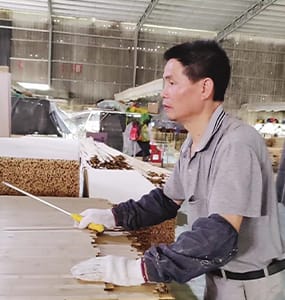
Whichever country you choose, the vetting process is the same. These five steps filter out most bad suppliers before you spend money on freight.
1. Verify FSC certification at the source
Ask for the supplier’s FSC certificate code and check it yourself at info.fsc.org. Confirm the certificate is valid, covers the right product group (bamboo panels, not just poles), and is issued to the company actually invoicing you. Trading companies sometimes show a factory’s certificate they have no right to use. Our own factory certification details are on our certifications page, including the FSC code FSC-C210923 you can verify directly.
2. Ask for E0/E1 formaldehyde test reports
Request recent third party test reports for formaldehyde emission class (E0 or E1) and, if relevant, CARB or EPA TSCA Title VI compliance for the US market. A factory that ships to Europe and North America regularly will have current reports on file and will send them within a day. Hesitation here is a red flag.
3. Evaluate samples against your written spec
Never approve a supplier from photos. Order samples of the exact construction you intend to buy and check flatness, moisture content, glue line integrity and machining behavior on your own equipment. Sample lead time is itself a signal: an organized factory turns samples around in about three weeks. Compare at least two suppliers side by side.
4. Check all-bamboo vs composite core for tariff scope
Get the full layup in writing: every layer, every species, every adhesive. For US buyers this is now a duty question, not just a quality question, because a wood core can pull the product into hardwood plywood scope while an all-bamboo construction generally stays outside it. Put the construction on the purchase order and the commercial invoice, and have your broker confirm the HTS code before the first shipment. Our tariff and EUDR guide explains what to ask for.
5. Agree Incoterms, payment terms and QC before you sign
Fix the Incoterm (EXW and FOB are standard for panels), the payment structure (30/70 T/T is common and fair), and the inspection regime. For first orders, book a third party pre-shipment inspection; in China this costs a few hundred dollars and every major QC firm has staff near the bamboo clusters. Confirm packing standard and container loading plan too, since panel corners and faces are where transit damage happens. Our shipping page covers how we pack and load.
Why B2B Buyers Choose HTR Bamboo
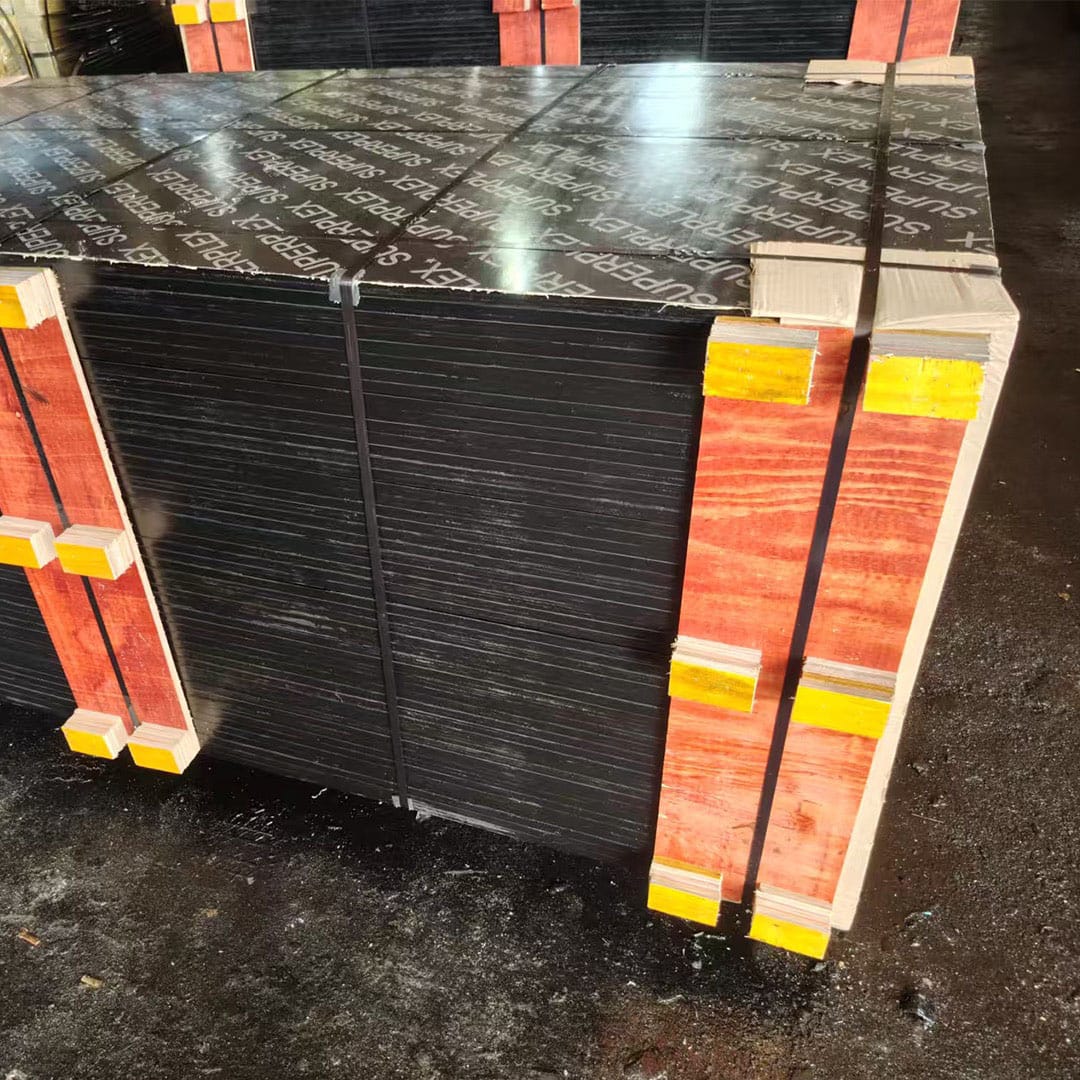
We have manufactured bamboo products since 2009 and operate a joint venture FSC certified factory in Anhui, in the heart of China’s Moso belt (FSC code FSC-C210923, verifiable at info.fsc.org). Our range covers bamboo plywood and panels held to ±0.2 mm thickness tolerance, bamboo veneer including custom ultra-thin 0.5 to 1.0 mm slicing, strand woven flooring and countertops, all in E0/E1 emission classes with OEM and ODM programs for private label buyers.
Commercially we work the way this article recommends you demand: EXW or FOB Shenzhen-Yantian, samples in around 20 days, bulk production in around 30 days, 30/70 T/T payment. Our current buyers are in the United States, Germany, Australia, Uruguay and Japan, so our documentation and packing standards are already set up for both US customs and EU requirements. Browse the full range in our catalog or see our certifications for the paperwork.
Ready to compare quotes from a Chinese factory?
Send us your spec (dimensions, construction, quantity, destination port) and we will return a quote with the FSC and emission documentation attached, so you can put a real Chinese factory number next to any Vietnamese offer you are evaluating.
Frequently Asked Questions
About the Author: written by the team at HTR Bamboo, a bamboo panel manufacturer and exporter operating an FSC certified joint venture factory in Anhui, China since 2009. Questions about your project? Contact us for a same-week reply.
Share This Story, Choose Your Platform!
About the Author: HTR Bamboo Editorial Team

Related Posts
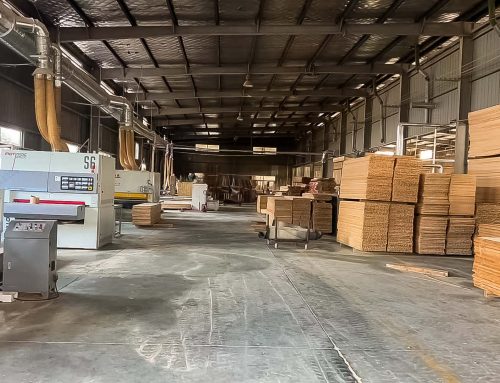
Table of Content
Need bamboo specifications?
Latest Posts
Copyright 2020 – 2030 HTR Bamboo
All Rights Reserved!

 English
  German
  Spanish
  Vietnamese